دور الأجهزة الطبية في تأهيل مرضى الشلل النصفي: حلول وتقنيات متقدمة
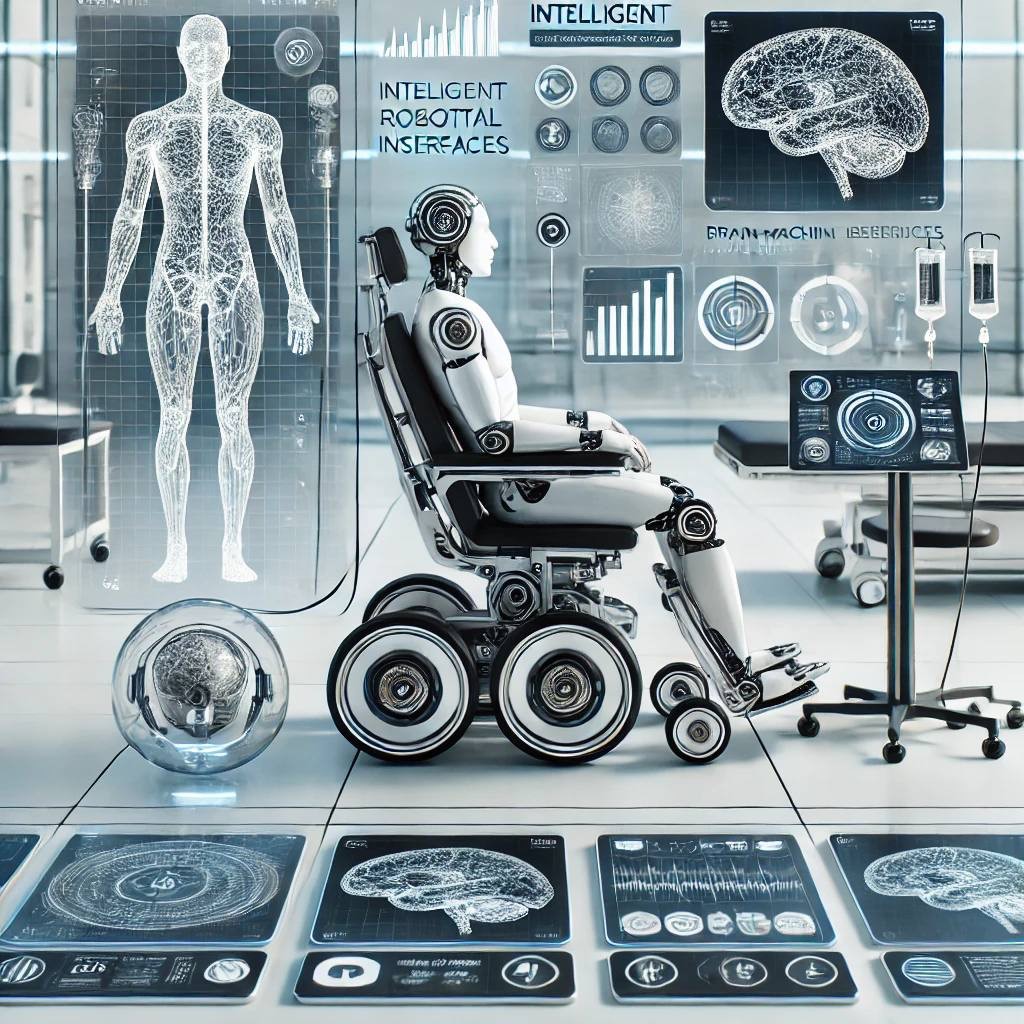
<br /> 1.مقدمة<br /> الشلل النصفي (Hemiplegia) هو حالة عصبية تؤثر على الجانب الأيمن أو الأيسر من الجسم، ناجمة غالبًا عن تلف في الدماغ بسبب السكتة الدماغية أو إصابة مباشرة. يسبب هذا الخلل صعوبة أو فقدان القدرة على الحركة في نصف الجسم، مما يشكل عائقًا كبيرًا أمام المرضى في أداء وظائفهم اليومية واستقلاليتهم. ولأن العلاج التقليدي وحده لا يكفي في كثير من الأحيان، كان للتقدم في مجال الأجهزة الطبية الحيوية أثر كبير في تطوير أدوات وتقنيات تساعد في إعادة التأهيل بشكل فعال.<br /><br /> 2.أعراض الشلل النصفي<br /> قد يؤثر الشلل النصفي على الجهة اليمنى أو اليسرى من الجسم، وفي كلا الحالتين يسبب ذلك ظهور أعراض تختلف في شدتها تبعًا لحالة المصاب كما يأتي:<br /><br />• ضعف أو تصلب في العضلات.<br />• التشنج العضلي أو انقباض العضلات.<br />• اضطرابات في المشي.<br />• مشكلة في التوزان.<br />• عدم القدرة على إمساك الأشياء.<br />• ضعف في الذاكرة.<br />• صعوبة في التركيز.<br />• تغيرات في السلوك.<br />• نوبات متكررة.<br /><br />3. أسباب وعوامل خطر الشلل النصفي<br />تشمل أسباب حدوث الشلل النصفي والتي قد تكون عوامل خطر في بعض الأحيان ما يأتي:<br /><br />a. السكتة الدماغية <br />تعد السكتة الدماغية أحد أهم أسباب حدوث الشلل النصفي خصوصًا عند الأطفال، وعادةً ما تعتمد شدة الأعراض على مكان وحجم السكتة في الدماغ.<br />b. التهاب الدماغ<br />قد تسبب عدوى الدماغ تلف دائم في أنسجة قشرة الدماغ، وعادة ما يكون الالتهاب ناتج عن عدوى فطرية، ولكنه قد يكون ناتج عن عدوى فيروسية أو عدوى فطرية.<br />c. حادث أو ضربة مفاجئة في الدماغ<br />قد يؤدي تعرض الدماغ بشكل مفاجئ إلى ضربة ما لحدوث تلف مفاجئ فيه، وفي حال كانت الضربة على جانب واحد فقد يؤدي ذلك إلى حدوث شلل نصفي.<br />d. عوامل وراثية<br />قد يسبب حدوث طفرة في أحد الجينات إلى الإصابة بما يسمى الشلل المصفي المتناوب عند الأطفال، حيث يمكن للأعراض أن تظهر ثم تختفي بشكل مؤقت.<br />e. أورام الدماغ<br />تؤدي أورام الدماغ إلى حدوث العديد من المضاعفات، وتعد السكتة الدماغية أحد أهم هذه المضاعفات، وعادةً ما تزداد شدة الأعراض مع نمو الورم.<br /><br />4. أهداف إعادة التأهيل <br />الهدف من إعادة تأهيل مرضى الشلل النصفي هو محاولة اكتساب الاستقلال الجسدي والاجتماعي والاقتصادي للمريض وتعزيز وظائفه<br /><br />5. الأجهزة الطبية الحيوية: أدوات لإعادة التأهيل <br />تُعتبر الأجهزة الطبية الحيوية تطورًا ثوريًا في علاج الشلل النصفي، حيث تم تصميمها لدعم مراحل العلاج الطبيعي وتعزيز الاستقلالية. فيما يلي تفصيل لأنواع الأجهزة الأكثر استخدامًا: <br /><br />اولاً: الأطراف الاصطناعية الذكية<br />تعتمد على تقنيات الاستشعار العصبي لتحليل الإشارات القادمة من الدماغ أو العضلات الغير متضرره. <br />المميزات:<br />•الحركة التلقائية استجابةً لإشارات المريض. <br />•خفيفة الوزن وقابلة للتخصيص حسب حاجة المريض.<br /> مثال: أطراف تساعد المرضى على إمساك الأدوات أو المشي بسلاسة.<br /><br />ثانيا: الأجهزة الروبوتية العلاجية<br />تعمل كأدوات مساعدة في جلسات العلاج الطبيعي. تعتمد على تقنيات الذكاء الاصطناعي لمتابعة أداء المريض وتحفيزه. من فوائده: <br />• تحسين الحركات الدقيقة. <br />• تقليل جهد المعالج الفيزيائي.<br />مثال: الروبوتات التي تدعم حركة الذراع أو الساق، مثل أجهزة المشي المدعومة .<br /><br />ثالثا: أنظمة التحفيز الكهربائي الوظيفي (FES) <br />ترسل إشارات كهربائية إلى الأعصاب لتحفيز العضلات المصابة. تعمل على إعادة تدريب العضلات لاستعادة وظائفها. تُستخدم لعلاج الشلل الحركي وأيضا التشنجات العضلية.<br /><br />رابعاً: الهياكل الخارجية القابلة للارتداء (Exoskeletons) <br />هياكل داعمة مزودة بمحركات تُرتدى لتوفير القوة اللازمة للحركة. تُستخدم في الجلسات العلاجية أو في الحياة اليومية. من ميزاتها: <br />•تساعد المرضى على المشي وتحقيق التوازن. <br />•تُحفز النشاط العضلي وتحسن التفاعل الحسي.<br /><br /> خامسا: تقنيات الواقع الافتراضي (VR) <br /> تُوفر بيئات محاكاة ثلاثية الأبعاد لتنفيذ التمارين العلاجية. <br /> فوائدها:<br />•تحسين المهارات الحركية والمعرفية.<br />•تُحفز الدماغ على استعادة الاتصال العصبي.<br /> أمثلة: ألعاب تدريبية تتطلب تحريك الأطراف أو استخدام اليد.<br /><br />سادساً: محاكاة الحاسب الآلي لإشارات الدماغ:<br />هي تقنيه تجمع بين علم الأعصاب وعلوم الحوسبة بهدف محاكاة وفهم كيفية عمل الدماغ والجهاز العصبي مثال ذلك جهاز(EEG). من تطبيقاتها: <br />•التحكم بالأطراف الاصطناعية. <br />•تحسين التواصل بين الدماغ والجهاز الحركي.<br /><br />سابعا: أنظمة الروبوتات التفاعلية (Interactive Robots) <br />تتفاعل مع المريض أثناء العلاج، حيث توفر ردود فعل فورية عن أدائه. تُستخدم لتحفيز الدماغ وتقليل فترة إعادة التأهيل.<br /><br />6.الفوائد النفسية والاجتماعية للأجهزة الطبية الحيوية <br />إلى جانب تحسين الأداء الحركي، تُسهم هذه الأجهزة في تعزيز الصحة النفسية والاجتماعية للمرضى من خلال: <br />1. زيادة الاستقلالية: الحد من الاعتماد على الآخرين في الأنشطة اليومية.<br />2. تحسين الثقة بالنفس: استعادة القدرة على أداء المهام الحياتية.<br />3. التفاعل الاجتماعي: تسهيل المشاركة في الأنشطة الاجتماعية والعودة إلى العمل.<br />7.التحديات والعوائق <br />رغم التقدم الكبير في الأجهزة الطبية، هناك بعض التحديات التي تواجه المرضى: <br />•ارتفاع التكلفة: تُعد الأجهزة المتقدمة باهظة الثمن، مما يحد من توفرها.<br />•نقص الخبرة التقنية: يتطلب تشغيل هذه الأجهزة تدريبًا متخصصًا.<br />•التخصيص: قد لا تكون الأجهزة مناسبة لجميع المرضى، مما يتطلب تعديلات <br />•تحسين التصميم: أجهزة خفيفة الوزن وأكثر راحة وقابلية للتكيف.<br />•زيادة الذكاء الاصطناعي: توفير تحليلات دقيقة واستجابات فورية.<br />•دمج تقنيات النانو: تطوير أجهزة صغيرة الحجم وأكثر دقة وفعالية.<br /><br />الخاتمة <br /><br />الأجهزة الطبية الحيوية ليست مجرد أدوات؛ إنها أمل جديد لمرضى الشلل النصفي. من خلال دعم الحركة وتعزيز الاستقلالية، تفتح هذه التقنيات أبوابًا جديدة لتحسين جودة الحياة. ومع استمرار الابتكار، فإننا نقترب من تحقيق رؤى طبية مستقبلية تجعل الشلل النصفي تحديًا يمكن التغلب عليه بشكل كامل. <br /> <br />الذكاء الاصطناعي أتاح تطوير كراسي متحركة ذكية قادرة على التنقل بذكاء في البيئات المختلفة. يمكن لهذه الكراسي استخدام أنظمة استشعار وكاميرات لتجنب العقبات والتوجه نحو وجهات محددة دون الحاجة إلى تدخل مباشر من المستخدم. وأيضا توفر الكراسي واجهات تحكم تعتمد على قراءة الإشارات العصبية أو حركة العينين أو الصوت. هذه التقنيات مفيدة جدًا للأشخاص الذين يعانون من ضعف حركي شديد.<br /><br />بإشراف :<br />م.د. أسامة جابر غايب<br /><br />إعداد الطلبه :<br />1علي ناجي راضي <br />2.حمزه غالب حسين <br />3.هدى رزاق حميد. <br />4.روان عبدالامير<br />5.محمد علي محمد <br />6.علي رزاق كاظم<br />7. علي ازهر خليل<br /><br /><br /><br />The Role of Medical Devices in the Rehabilitation of Paraplegic Patients: Advanced Solutions and Technologies<br /><br />1. Introduction<br /><br />Hemiplegia is a neurological condition that affects either the right or left side of the body, often caused by brain damage due to a stroke or direct injury. This condition results in difficulty or loss of the ability to move on one side of the body, creating a significant obstacle for patients in performing daily tasks and maintaining independence. Since traditional treatment alone is often insufficient, advances in the field of biomedical devices have had a major impact in developing tools and technologies that effectively aid in rehabilitation.<br />2. Symptoms of Hemiplegia<br />Hemiplegia can affect either the right or left side of the body, with symptoms varying in intensity depending on the patient's condition, as follows:<br />• Weakness or stiffness in muscles<br />• Muscle spasms or contractions<br />• Gait disturbances<br />• Balance problems<br />• Inability to grasp objects<br />• Memory weakness<br />• Difficulty concentrating<br />• Behavioral changes<br />• Recurrent seizures<br />3. Causes and Risk Factors of Hemiplegia<br />The causes of hemiplegia, which can sometimes act as risk factors, include the following:<br />a. Stroke<br />Stroke is one of the leading causes of hemiplegia, especially in children, with the severity of symptoms depending on the location and size of the stroke in the brain.<br />b. Encephalitis<br />Brain infections may cause permanent damage to the cerebral cortex, usually caused by fungal infections, but can also result from viral or bacterial infections.<br />c. Trauma or Sudden Impact on the Brain<br />A sudden blow to the brain may cause immediate damage, and if the impact is on one side, it can result in hemiplegia.<br />d. Genetic Factors<br />Mutations in certain genes can lead to a condition called alternating hemiplegia of childhood, where symptoms may appear and disappear temporarily.<br />e. Brain Tumors<br />Brain tumors lead to various complications, with stroke being one of the most common. Symptoms tend to worsen as the tumor grows.<br />4. Rehabilitation Goals<br />The goal of rehabilitating hemiplegic patients is to regain physical, social, and economic independence while enhancing their functions.<br />5. Biomedical Devices: Tools for Rehabilitation<br />Biomedical devices represent a revolutionary advancement in the treatment of hemiplegia, designed to support physical therapy stages and promote independence. Below is a breakdown of the most commonly used devices:<br />First: Smart Prosthetics<br />These rely on neural sensing technologies to analyze signals from the brain or unaffected muscles.<br />Features:<br />• Automatic movement in response to patient signals.<br />• Lightweight and customizable according to the patient's needs.<br />Example: Prosthetics that help patients grasp tools or walk smoothly.<br />Second: Therapeutic Robotic Devices<br />These assist in physical therapy sessions and use artificial intelligence to monitor and motivate patient performance.<br />Benefits:<br />• Improvement in fine motor movements.<br />• Reduction of the physical therapist’s effort.<br />Example: Robots that support arm or leg movement, such as assisted walking devices.<br />Third: Functional Electrical Stimulation (FES) Systems<br />FES sends electrical signals to nerves to stimulate paralyzed muscles, retraining them to restore function. It is used to treat motor paralysis and muscle spasms.<br />Fourth: Wearable Exoskeletons<br />Exoskeletons are motorized frameworks worn to provide the necessary force for movement. They are used during therapy sessions or in daily life.<br />Features:<br />• Assist patients in walking and maintaining balance.<br />• Stimulate muscle activity and improve sensory interaction.<br />Fifth: Virtual Reality (VR) Techniques<br />These provide 3D simulated environments to carry out therapeutic exercises.<br />Benefits:<br />• Improve motor and cognitive skills.<br />• Stimulate the brain to restore neural connectivity.<br />Example: Training games requiring limb movements or hand usage.<br />Sixth: Brain Signal Computer Simulation<br />This technology combines neuroscience and computing to simulate and understand brain and nervous system functions, such as the EEG device.<br />Applications:<br />• Control of prosthetic limbs.<br />• Enhance communication between the brain and motor systems.<br />Seventh: Interactive Robotics Systems<br />These robots interact with the patient during therapy, providing immediate feedback about their performance. They are used to stimulate the brain and shorten rehabilitation time.<br />6. Psychological and Social Benefits of Biomedical Devices<br />In addition to improving motor function, these devices contribute to enhancing the psychological and social well-being of patients through:<br />1. Increased independence: Reducing reliance on others for daily activities.<br />2. Boosted self-confidence: Regaining the ability to perform life tasks.<br />3. Social interaction: Facilitating participation in social activities and returning to work.<br />7. Challenges and Obstacles<br />Despite significant progress in medical devices, there are challenges facing patients:<br />• High costs: Advanced devices are expensive, limiting their availability.<br />• Lack of technical expertise: Operating these devices requires specialized training.<br />• Customization: Devices may not be suitable for all patients, requiring adjustments.<br />• Design improvements: Creating lighter, more comfortable, and adaptable devices.<br />• Enhanced artificial intelligence: Providing accurate analysis and instant responses.<br />• Integration of nanotechnology: Developing smaller, more precise, and effective devices.<br />Conclusion<br />Biomedical devices are not just tools; they represent a new hope for hemiplegic patients. By supporting movement and promoting independence, these technologies open new doors to improving quality of life. With continued innovation, we are moving closer to realizing medical visions that can make hemiplegia a challenge that can be fully overcome.<br />Artificial intelligence has enabled the development of smart wheelchairs capable of intelligently navigating different environments. These chairs can use sensing systems and cameras to avoid obstacles and move toward specified destinations without direct user intervention. They also provide control interfaces based on neural signals, eye movements, or voice. These technologies are especially useful for individuals with severe motor impairments.<br /><br />Supervised by: Dr. Osamah Jaber Ghayyib<br />Prepared by:<br />1. Ali Naji Radi<br />2. Hamza Ghaleb Hussein<br />3. Huda Razak Hamid<br />4. Rawan Abdel Amir<br />5. Mohammed Ali Mohammed<br />6. Ali Razak Kazem<br />7. Ali Azhar Khalil<br /><br /><br /><br /><br /><br /><br />