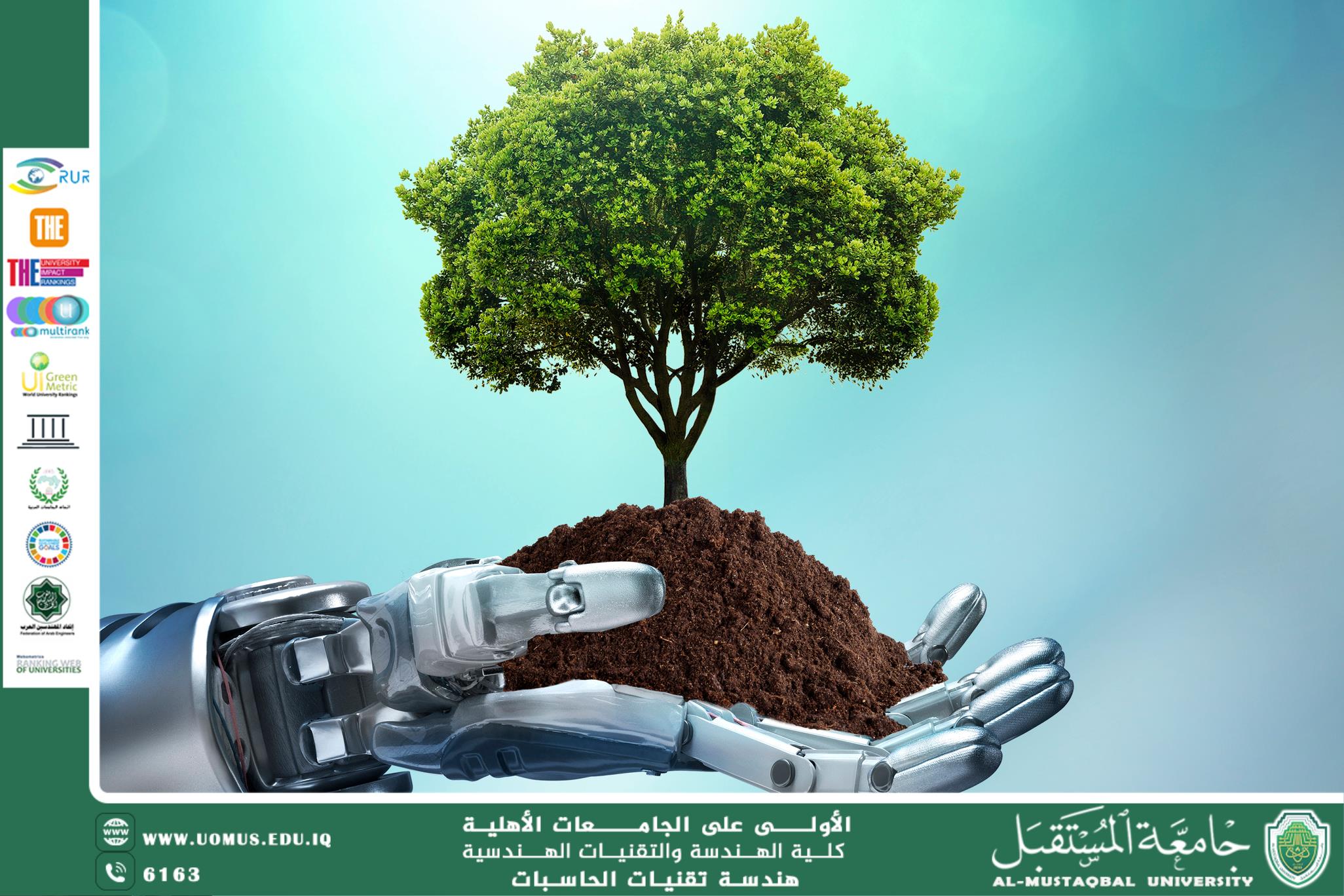
The Impact of Technology on the Environment: Benefits and Challenges
<br />د نور عبد الكريم محمد علي <br /><br />Technology plays a crucial role in modern life, revolutionizing industries, communication, and daily activities. However, its impact on the environment is a subject of growing concern. While technological advancements have brought many benefits, they also pose significant environmental challenges that need to be addressed. <br /><br />One of the major negative effects of technology on the environment is pollution. Factories and industrial processes, powered by modern technology, release large amounts of greenhouse gases such as carbon dioxide, contributing to climate change. Additionally, improper disposal of electronic waste leads to the leakage of toxic substances into the soil and water, posing a threat to ecosystems and human health. <br /><br />Another critical issue is the depletion of natural resources. Many technological devices rely on rare minerals and other non-renewable resources, leading to extensive mining activities that harm the environment. Furthermore, the energy consumption of data centers, communication networks, and electronic devices continues to rise, increasing the demand for fossil fuels and resulting in higher carbon emissions. Deforestation is also a consequence of technological expansion, as new infrastructure projects often require large areas of land, destroying natural habitats and reducing biodiversity. <br /><br />Despite these challenges, technology also offers significant environmental benefits. One of the most important contributions is the development of clean energy sources. Innovations in solar, wind, and hydropower technologies have improved energy efficiency and reduced dependence on fossil fuels. Additionally, smart technologies such as artificial intelligence and the Internet of Things (IoT) help monitor environmental conditions and optimize resource management. For example, smart irrigation systems help conserve water in agriculture, reducing waste and promoting sustainability. <br /><br />Moreover, advancements in recycling technologies have made it possible to manage electronic and plastic waste more efficiently, reducing environmental damage. Improved production techniques have also led to more energy-efficient manufacturing processes, minimizing waste and emissions. By integrating sustainable practices, technology can become a powerful tool for protecting the environment and mitigating its negative effects. <br /><br />In conclusion, technology has both positive and negative impacts on the environment. While it has contributed to pollution, resource depletion, and habitat destruction, it has also provided innovative solutions for energy conservation, waste management, and sustainable development. To ensure a balance between technological progress and environmental protection, it is essential to adopt eco-friendly technologies and implement policies that promote responsible technological use<br /><br /><br />جامعة المستقبل الجامعة الاولى في العراق