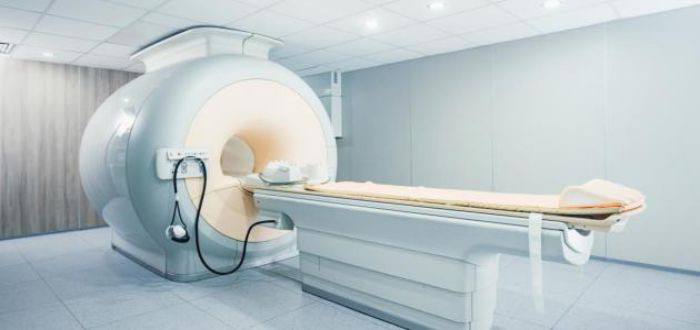
مقالة للدكتورة بتول علي نوري جهاز الرنين المغناطيسي MRI
Magnetic Resonance Imaging (MRI)<br /><br />The Magnetic Resonance Imaging (MRI) device is one of the most important modern medical tools for disease diagnosis. It is known for its high accuracy and its ability to produce detailed images of soft tissues without the need for surgical intervention or exposing the patient to ionizing radiation, unlike X-rays or CT scans.<br /><br />How It Works:<br />The MRI device uses a strong magnetic field and radio waves to generate detailed images of the inside of the body. When the patient is placed inside the scanner, hydrogen atoms in the body (which are abundant in water and tissues) are stimulated to emit signals that are captured and transformed into images by a computer.<br /><br />Medical Uses:<br />MRI is used to diagnose a wide range of conditions, such as:<br /> • Brain and nervous system disorders (such as tumors, strokes, and multiple sclerosis).<br /> • Spinal cord and disc problems.<br /> • Musculoskeletal injuries.<br /> • Heart and vascular diseases.<br /> • Examination of internal organs like the liver, kidneys, and uterus.<br /><br />Advantages:<br /> • High-resolution imaging, especially for soft tissues.<br /> • Free of harmful radiation.<br /> • Non-invasive and used for multiple areas of the body.<br /><br />Limitations:<br /> • Cannot be used with patients who have implanted metal devices like pacemakers.<br /> • May cause anxiety or discomfort due to the confined space inside the scanner.<br /><br />Conclusion:<br />The MRI scanner represents a revolution in medical imaging, greatly enhancing diagnostic accuracy and supporting effective and safe treatment planning.<br /><br />AL-MUSTAQBAL UNIVERSITY THE TOP ONE IN IRAQ<br /><br />ُ