
تم نشر مقالة علمية في قسم تقنيات التخدير للتدريسسة( م.م سرى حسن الزبيدي) بعنوان Adequate antibiotic therapy in childhood
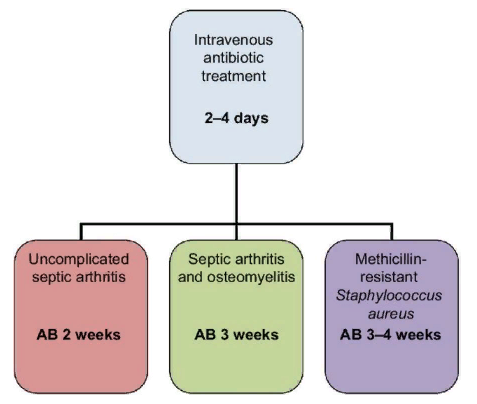
Adequate antibiotic therapy in childhood.<br /> <br /><br />Antimicrobial therapy for respiratory infections in children should be prescribed from the standpoint of the principle of minimum sufficiency, with a mild course of the disease, oral antibiotics should be prescribed, with severe infections, stepwise de-escalation therapy is recommended, it is advisable to use antibiotic prodrugs more widely. In particular, when choosing a starting antibacterial agent in the etiotropic antimicrobial therapy of respiratory infections in children, modern cephalosporins play an important role.<br /><br />A prodrug is an inactive compound that, as a result of biotransformation in the body, turns into an active one and has the desired pharmacological effect. Of the oral cephalosporin prodrugs, cefuroxime axetil and cefpodoxime proxetil are known. For example, when taking cefpodoxime proxetil (Cefodox), the prodrug, which is converted in the gastrointestinal tract to its active metabolite cefpodoxime, penetrates the site of action and exerts the desired pharmacological effect. Due to this property of the drug, the risk of developing gastrointestinal complications is significantly reduced and the incidence of antibiotic-associated diarrhea is reduced.<br /><br />Oral III generation cephalosporin cefpodoxime proxetil (Cefodox) has a bactericidal effect due to the inhibition of the synthesis of the cell membrane of microorganisms on a wide range of gram-positive and gram-negative microorganisms, including the main pathogens of respiratory tract infections. The effectiveness of cefpodoxime proxetil (Cefodox) in the initial therapy of children with community-acquired pneumonia was confirmed in the CefProsto multicenter clinical trial conducted in 2009–2010. in Kiev, Kharkov, Donetsk, Dnepropetrovsk, Poltava, Zaporozhye, Lvov, Simferopol. The study established high (88%) and moderate (10.2%) efficacy of Cefodox in the treatment of children with non-severe community-acquired pneumonia. In addition, the drug showed a favorable safety profile. In particular, 95.5% of patients characterized the tolerability of the drug as very good.<br /><br />Cefpodoxime proxetil (Cefodox) was widely used at the second stage in the stepwise therapy of pneumonia in children after the initial prescription of parenteral cephalosporin III generation or the initial combined use of parenteral cephalosporin III generation plus a macrolide. The latter is especially advisable in children aged 6 years and older.<br /><br />In the treatment of acute otitis media, an important role belongs to aminopenicillins, as well as oral cephalosporin II generation cefuroxime axetil (Cefutil), based on the leading significance of Haemophilus influenzae and pneumococcus. In the treatment of streptococcal tonsillitis - penicillins, as well as oral cephalosporin of the 1st generation cephalexin (Lexin). If you are allergic to beta-lactams, macrolides are used.<br /><br />The scientific search for new antibiotics continues. In particular, in the summer of 2013, interesting data were published at the University of Pennsylvania (USA). A team of scientists led by Kenneth Keiler studied more than 600,000 molecules, described 46 previously untested molecules, and found a molecule called KKL35, which scientists consider the most promising.<br /><br />However, at present, it is the rational use of antibiotics used in the clinic that can most effectively slow down or prevent the development of resistance of pathogenic microorganisms, which is also the key to successful treatment of an infectious disease. The doctor must perfect the art of antibiotic therapy throughout his professional life. As Robert Schumann wrote: "Relentlessly improve your art, the rest will come by itself."<br /> <br />The duration of antibiotic (AB) treatment for childhood septic arthritis.<br /><br /><br />