مقالة بعنوان ( Cybersecurity for Medical Devices: Our Digital Shield to Protect Patients)للمهندسة زهراء محمد كاظم
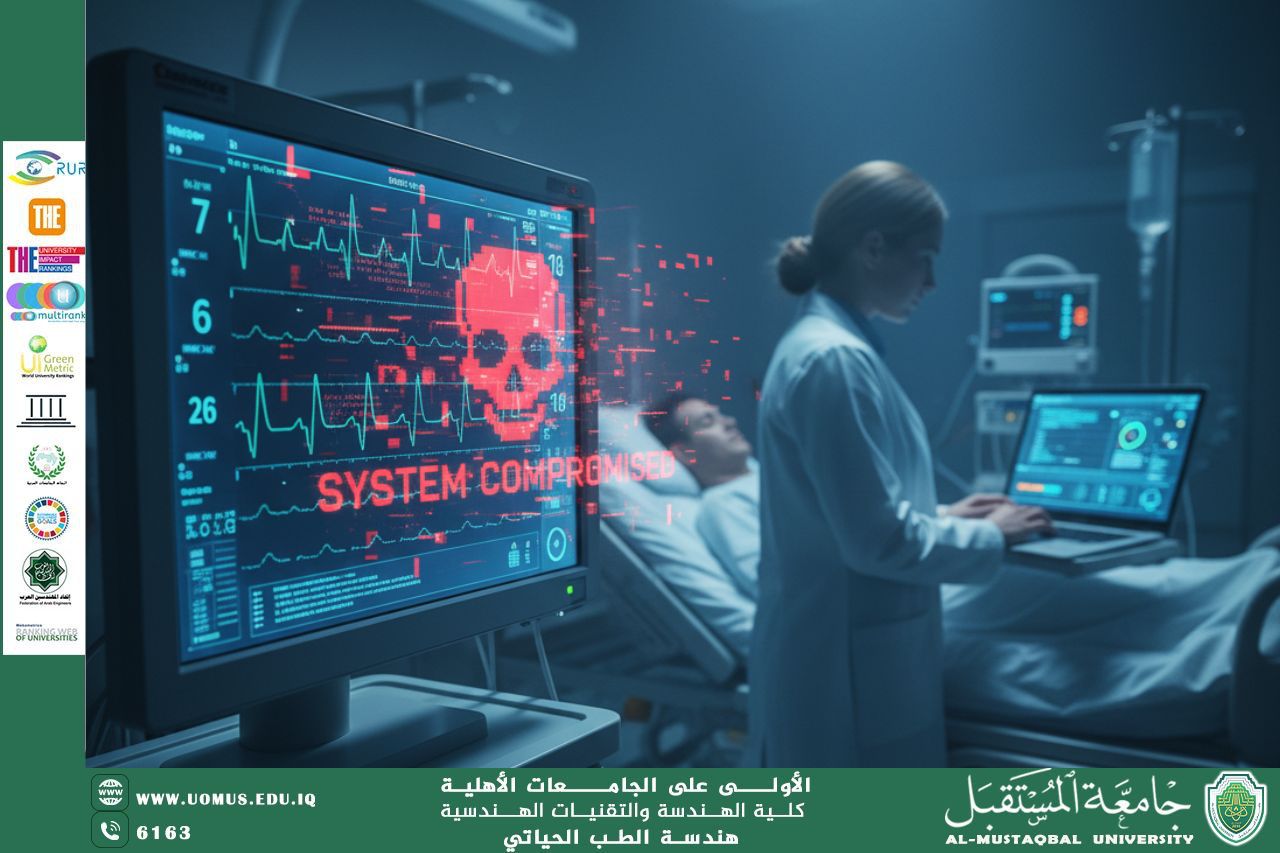
In an era of ever-increasing internet connectivity, hospitals and healthcare facilities increasingly rely on networked medical devices to deliver better and more efficient care. From smart insulin pumps to vital signs monitors and advanced imaging devices, these technologies have become an integral part of the modern medical fabric. With this advancement, a serious challenge looms: medical device cybersecurity.<br />A breach of a single medical device can have devastating consequences, not just for patient data, but for their lives and safety. Imagine a scenario where medication dosages delivered by an insulin pump are manipulated, or crucial diagnostic data on a heart monitor is altered. These aren't just science fiction fantasies; they are real threats facing the healthcare sector today.<br />Why are medical devices a target?<br />Networked medical devices are attractive targets for hackers for several reasons:<br />1. Highly Sensitive Data: They contain valuable personal health information (PHI) that can be sold or used for fraud.<br />2. Latent Vulnerabilities: Many of these devices were not initially designed with cybersecurity as a top priority and may run on outdated software.<br />3. Direct Impact on Lives: Attacks targeting medical devices can wreak havoc in hospitals and put patients' lives at risk, making them a powerful tool for extortion.<br />The Role of the Biomedical Engineer: The First Line of Defense<br />Here comes the role of the biomedical engineer as a cornerstone in enhancing the cybersecurity of the healthcare system. Their role is no longer limited to maintaining physical devices, but has expanded to include protecting their digital aspects. This includes:<br />• Security Risk Assessment: Identifying potential vulnerabilities in medical devices and networks.<br />• Implementing Security Protocols: Ensuring software is updated, firewalls are activated, and encryption is used to protect data.<br />• Training and Awareness: Educating medical and administrative staff on security best practices and how to identify cyber threats.<br />• Incident Response: Developing plans for a rapid and effective response in the event of a security breach.