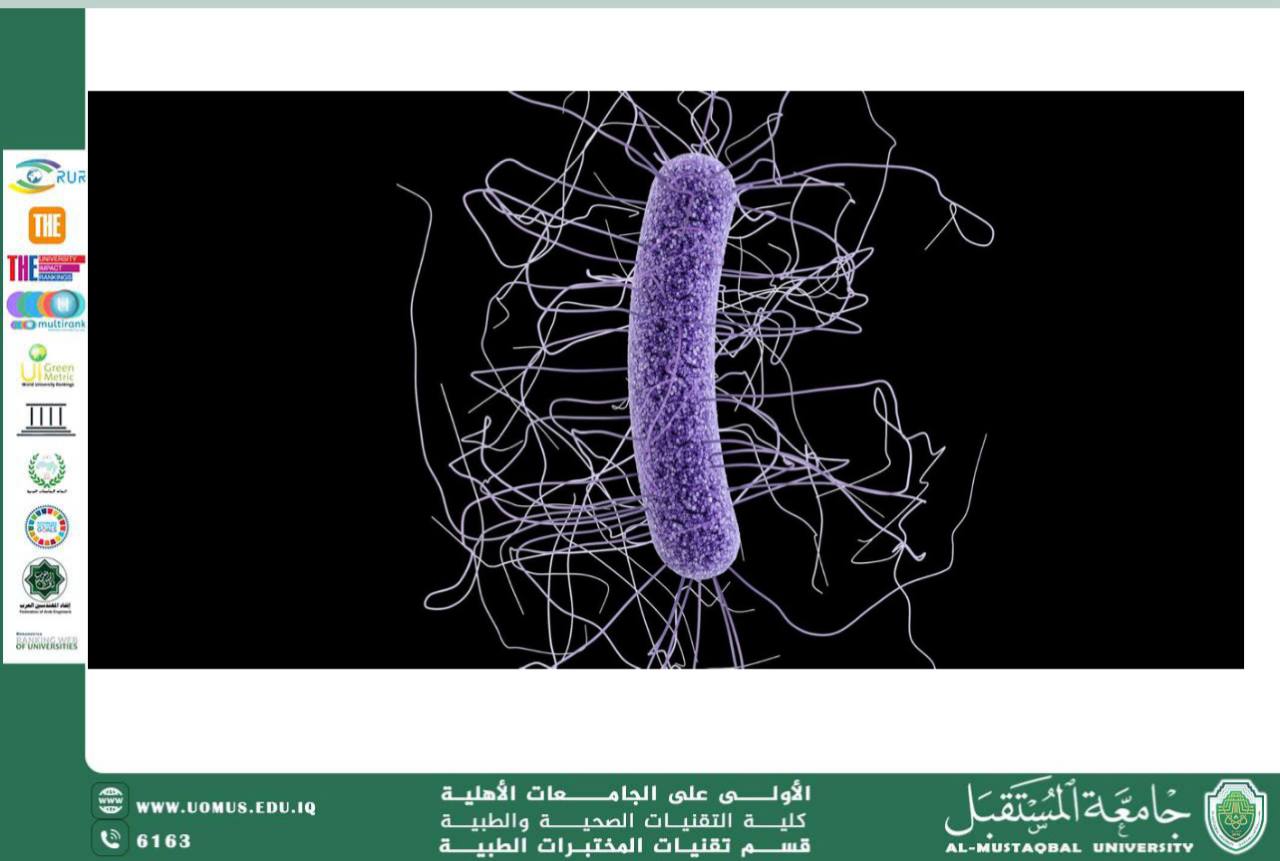

مقالة علمية للتدريسية زهراء عبيس علي بعنوانClostridium difficile: A Scientific Overview of a Major Pathogenic Bacterium
Clostridium difficile: A Scientific Overview of a Major Pathogenic Bacterium
Introduction
Clostridium difficile (commonly known as C. difficile or C. diff) is one of the most significant causes of healthcare-associated infections worldwide. It is responsible for severe gastrointestinal disease and can lead to life-threatening complications. Its ability to produce potent toxins and form highly resistant spores makes it a challenging pathogen to control.
⸻
Taxonomy
• Kingdom: Bacteria
• Phylum: Firmicutes
• Family: Peptostreptococcaceae
• Genus: Clostridium
• Species: Clostridium difficile
⸻
General Characteristics
• Obligate anaerobic bacterium (cannot survive in oxygen-rich environments).
• Spore-forming: spores are extremely resistant to heat, disinfectants, and harsh environmental conditions.
• Gram-positive, rod-shaped cells.
• Produces two major toxins:
• Toxin A (TcdA)
• Toxin B (TcdB)
These toxins damage the intestinal lining and induce inflammation.
⸻
Pathogenesis
Under normal conditions, the gut microbiota prevents C. difficile from overgrowing. However, when broad-spectrum antibiotics are used, beneficial bacteria are destroyed, allowing C. difficile to multiply and release toxins. This results in inflammation and damage to the colon.
⸻
Transmission
C. difficile spreads mainly through:
• Contaminated surfaces and environments (spores persist for months).
• Unwashed hands of healthcare workers.
• Contact with infected patients or their waste.
Its spores are the main reason for its rapid spread in hospitals and long-term care facilities.
⸻
Clinical Symptoms
Symptoms range from mild to severe and may include:
• Watery diarrhea (multiple episodes per day)
• Abdominal cramps and pain
• Fever
• Nausea
• Dehydration
• Pseudomembranous colitis, a severe form of colon inflammation
• In extreme cases: sepsis, toxic megacolon, or organ failure
⸻
Risk Factors
Individuals most at risk include:
• Patients taking broad-spectrum antibiotics (e.g., clindamycin, cephalosporins, fluoroquinolones)
• Older adults (≥65 years)
• Hospitalized or long-term care patients
• Immunocompromised individuals
• Patients with gastrointestinal surgeries
⸻
Diagnosis
Diagnosis is typically performed using:
• Stool tests for toxins A and B
• PCR assays detecting toxin-producing genes
• Endoscopy in severe or complicated cases
⸻
Treatment
• Discontinuing the causative antibiotic (when possible)
• Administering targeted antibiotics:
• Vancomycin
• Fidaxomicin
• For recurrent infections:
• Fecal microbiota transplantation (FMT) to restore healthy gut microbiota
• Surgical intervention for severe complications such as perforation or toxic megacolon
⸻
Prevention
Key prevention strategies include:
• Handwashing with soap and water (alcohol sanitizers do NOT kill spores).
• Environmental disinfection with chlorine-based agents.
• Judicious use of antibiotics.
• Patient isolation in hospitals.
• Proper protective equipment for healthcare workers.
⸻
Conclusion
Clostridium difficile remains a major threat in healthcare settings due to its toxin production and spore-forming ability. Understanding its transmission, early diagnosis, and appropriate treatment are essential to reducing morbidity and mortality. Preventive measures—especially antibiotic stewardship and strict hygiene protocols—remain the most effective tools in controlling its spread.
جامعة المستقبل الجامعة الاولى في العراق
قسم تقنيات المختبرات الطبية الاول في التصنيف الوطني العراقي