The Effect of Gravity on Time: Precision Experiments on Earth Author M.Sc Asraa Hussein Amweishi,.
Abstract
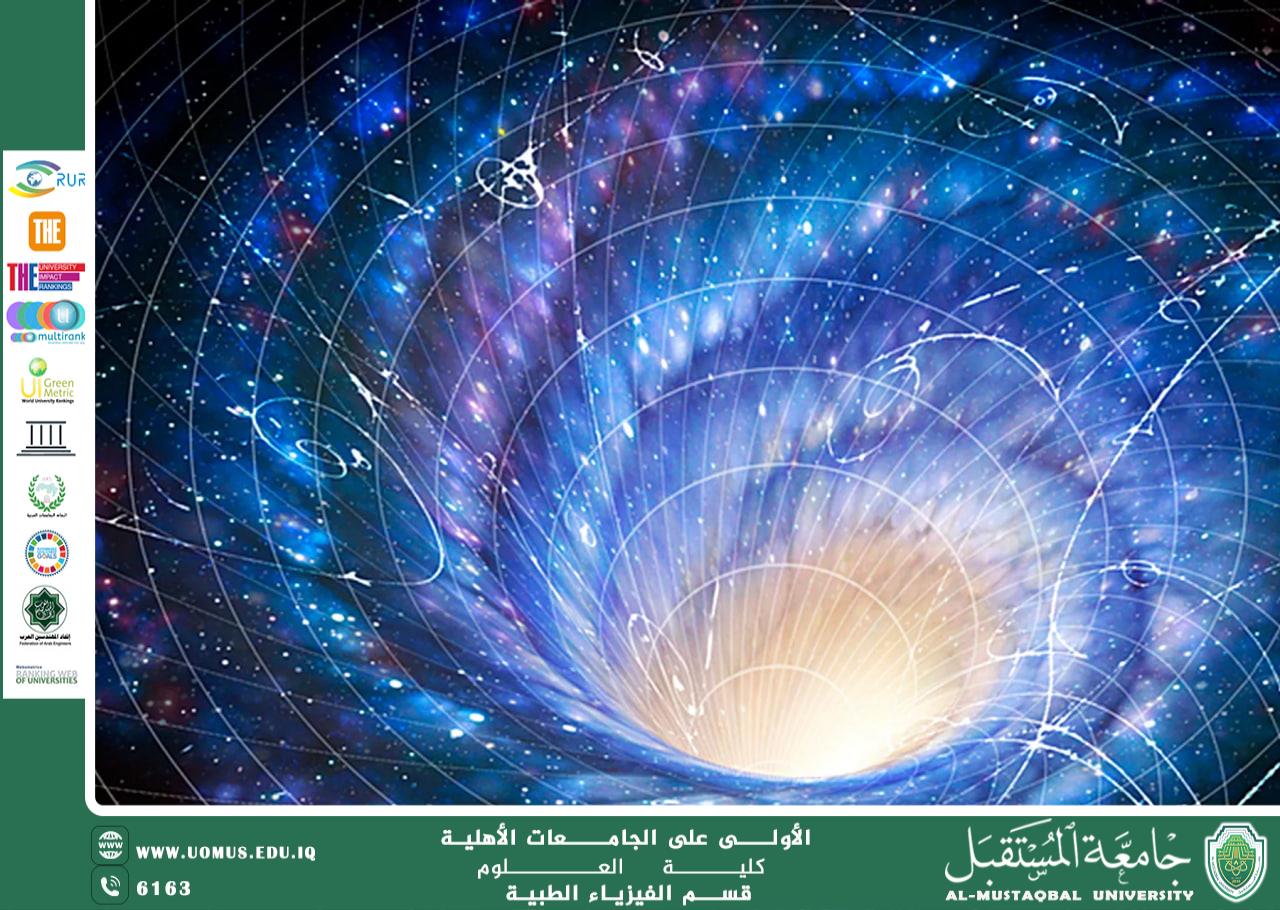
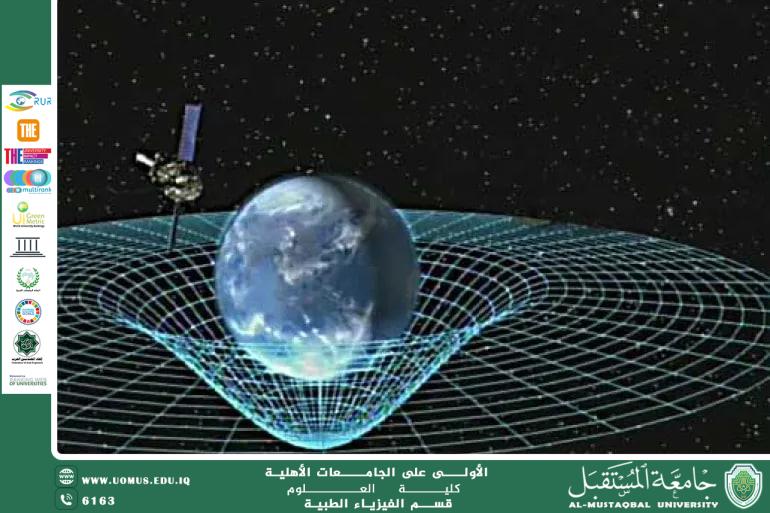
Gravity is not only a force acting on matter but also influences the passage of time, a phenomenon known as gravitational time dilation. According to Einstein's theory of general relativity, time passes more slowly in regions of stronger gravitational potential. This paper reviews precision experiments conducted on Earth to measure this effect using ultra-accurate atomic clocks and discusses its implications for modern technology.
Introduction
Einstein's general relativity theory predicts that time is affected by gravity: the stronger the gravitational field, the slower time passes relative to regions with weaker gravity. This counterintuitive effect, called gravitational time dilation, has been verified experimentally on Earth with high-precision instruments. Understanding and measuring this phenomenon is crucial for both fundamental physics and practical applications, such as global navigation systems.
Experimental Overview
Precision experiments on Earth have been conducted by placing atomic clocks at varying altitudes, from sea level to mountain peaks, and comparing their readings over extended periods. Results consistently show that clocks at higher altitudes, where gravitational pull is weaker, run slightly faster than clocks at lower altitudes.
For example, experiments using cesium and optical lattice clocks have measured time differences at the level of nanoseconds per day between locations separated by only a few meters in height. These results are in excellent agreement with theoretical predictions of general relativity.
Applications
Understanding gravitational time dilation is essential for modern technologies. Systems like the Global Positioning System (GPS) rely on precise timing; failure to account for the slight differences in clock rates due to Earth's gravity would result in significant navigation errors. Beyond GPS, this knowledge contributes to precision measurements in metrology, astrophysics, and quantum experiments.
Conclusion
Gravity has a measurable impact on the passage of time, even under terrestrial conditions. Precision experiments confirm Einstein's predictions and enhance our understanding of spacetime. The implications extend beyond theory to practical technologies that depend on ultra-accurate timekeeping, emphasizing the fundamental connection between gravity and temporal phenomena.
"AL_mustaqbal University is the first university in Iraq" ف