A Scientific Article by Dr. Saja Latif Salman Title: Dietary Supplements: Benefits or Risks?
Dietary Supplements: Benefits or Risks?
Introduction
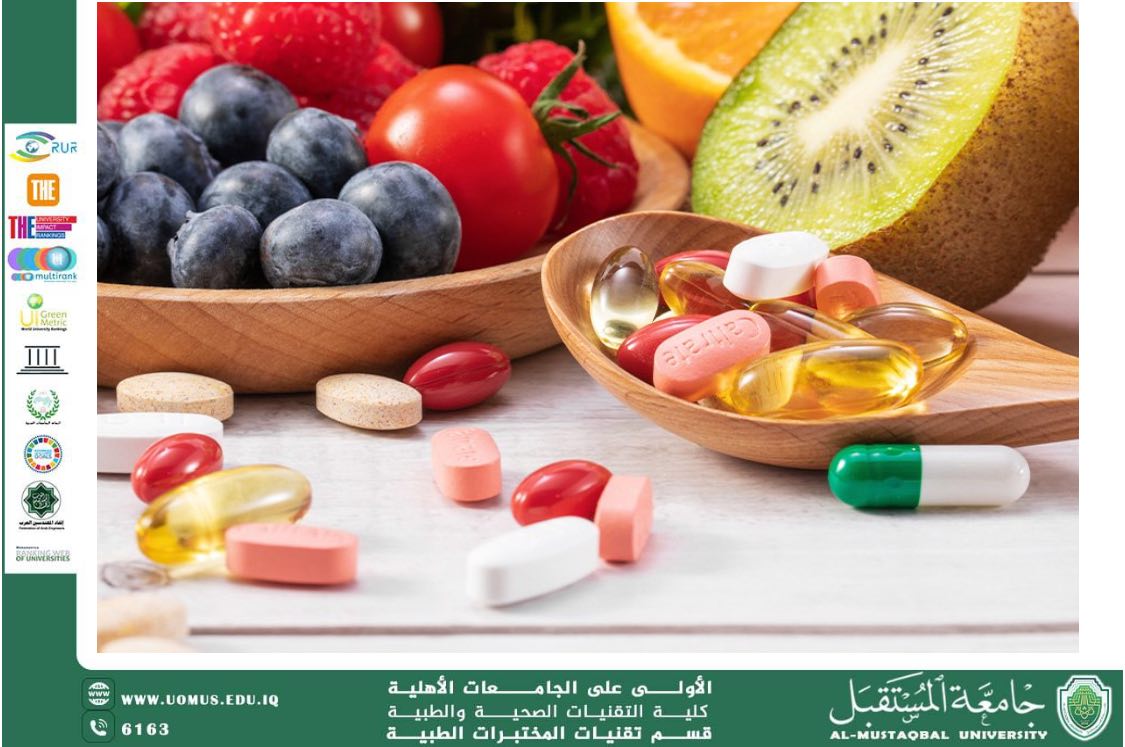
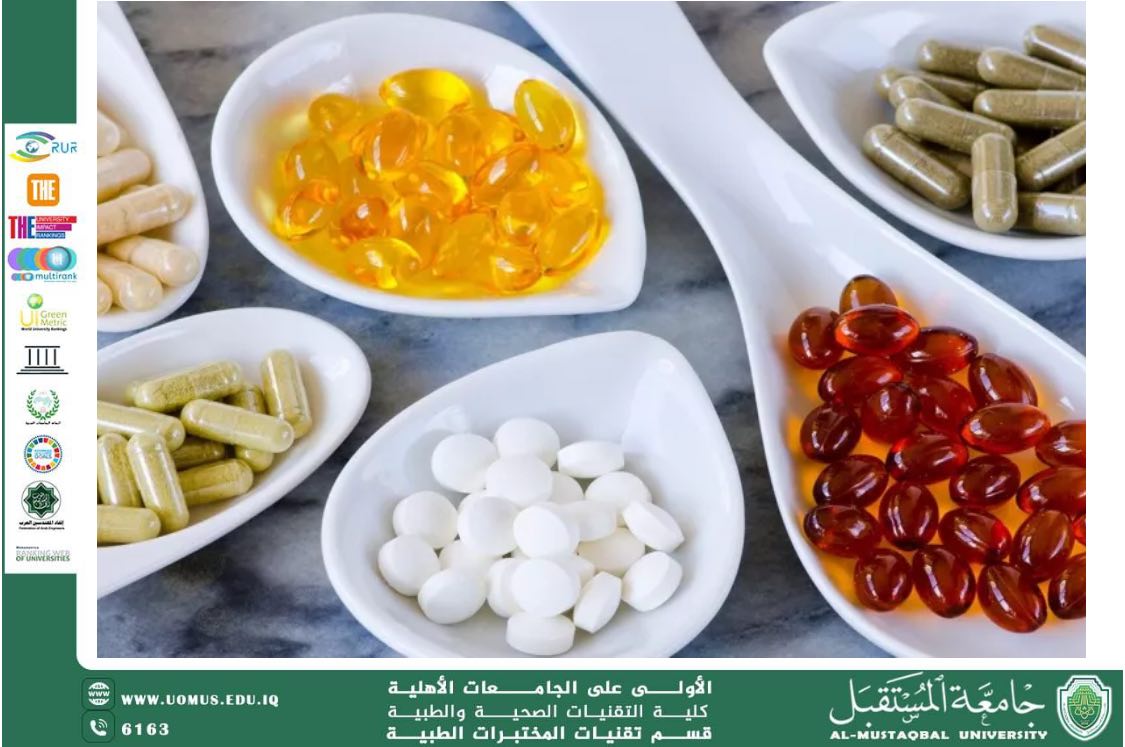
Dietary supplements are products that contain vitamins, minerals, herbs, amino acids, or other nutrients used to supplement the diet, and they are not considered a substitute for balanced meals. These supplements are marketed with various claims, including improving general health, supporting immunity, enhancing athletic performance, or treating specific nutrient deficiencies in the body.
Types of Dietary Supplements
Dietary supplements can be classified into several main categories, such as:
• Vitamins and minerals
• Fatty acids (such as Omega-3)
• Proteins and protein powders
• Herbal and plant extracts
• Amino acids and enzymes
Each type has its own characteristics and different mechanisms of action within the body.
Potential Benefits of Dietary Supplements
1. Correction of Nutritional Deficiencies
In some cases, relying on food alone may be insufficient to meet the body’s needs for certain nutrients, such as:
• Folic acid for women before and during pregnancy
• Vitamin D for individuals with limited sun exposure
• Vitamin B12 for strict vegetarians
• Iron for individuals with iron-deficiency anemia
In such cases, supplements may be used therapeutically to correct these deficiencies.
2. Support for Specific Medical Conditions
Numerous studies suggest that some supplements may provide benefits in specific contexts, such as:
• Melatonin for alleviating temporary sleep disorders
• Omega-3 fatty acids, which may reduce certain inflammatory markers in the body
However, scientific evidence varies from one compound to another and may not be strong in all cases.
Risks and Warnings
1. Unproven Effectiveness of Common Supplements
Many supplements are marketed with health claims that are not supported by strong scientific evidence. In many cases, no clear benefit has been demonstrated in large clinical trials, particularly in reducing the risk of major diseases such as cancer or cardiovascular disease.
2. Excessive Dosage and Toxicity
Taking supplements in doses higher than recommended may cause toxic symptoms or health complications, especially with fat-soluble vitamins (A, D, E, and K), which can accumulate in the body and lead to problems such as:
• Vitamin D toxicity and elevated blood calcium levels
• Increased risk of bleeding with vitamin E
• Impaired liver or kidney function
These risks highlight the importance of appropriate dosing and medical supervision.
3. Drug–Supplement Interactions
Dietary supplements may interact with prescribed medications or reduce their effectiveness. For example:
• Omega-3 fatty acids with anticoagulant medications
• Certain herbs interfering with heart or antidepressant medications
Such interactions can be dangerous in some cases and require medical attention before use.
4. Lack of Strict Regulation
In many countries, including the United States and Europe, dietary supplements are not subject to the same strict regulations applied to medications. This means that some products may not contain what is stated on the label or may contain unapproved contaminants, increasing potential risks to consumers.
Are Dietary Supplements Generally Safe?
In many cases, supplements used within recommended doses may be safe for healthy individuals. However, several important precautions should be considered:
• Do not rely on supplements as a replacement for a balanced diet
• Consult a physician before use, especially for individuals taking medications or with chronic health conditions
• Avoid high doses unless medically prescribed
These precautions are essential to minimize potential risks.
It is always preferable to rely on a balanced diet as the primary source of nutrients and to use supplements only when medically necessary and under professional guidance.
Al-Mustaqbal University is the first university in Iraq
Department of Medical Laboratory Techniques – First in the Iraqi National Ranking.