The Impact of Pollution in Operating Rooms
Operating rooms are considered among the most sensitive medical environments, as they require a high level of sterility and strict control of various contamination factors. Any disruption in this environment may lead to serious complications, most notably Surgical Site Infections (SSIs), which are a major cause of increased morbidity and mortality, in addition to higher healthcare costs and prolonged hospital stays.
Concept of Contamination in Operating Rooms
Contamination in operating rooms refers to the presence of undesirable factors, which may be:
• Microbial: bacteria, viruses, fungi.
• Chemical: leaked anesthetic gases, disinfectants, vapors.
• Physical: dust, fine particles, inadequate ventilation.
• Human-derived: resulting from medical staff or excessive movement within the operating room.
Sources of Contamination in Operating Rooms
Surgical and Medical Staff
• Failure to adhere to wearing sterile clothing.
• Excessive talking or movement inside the operating room.
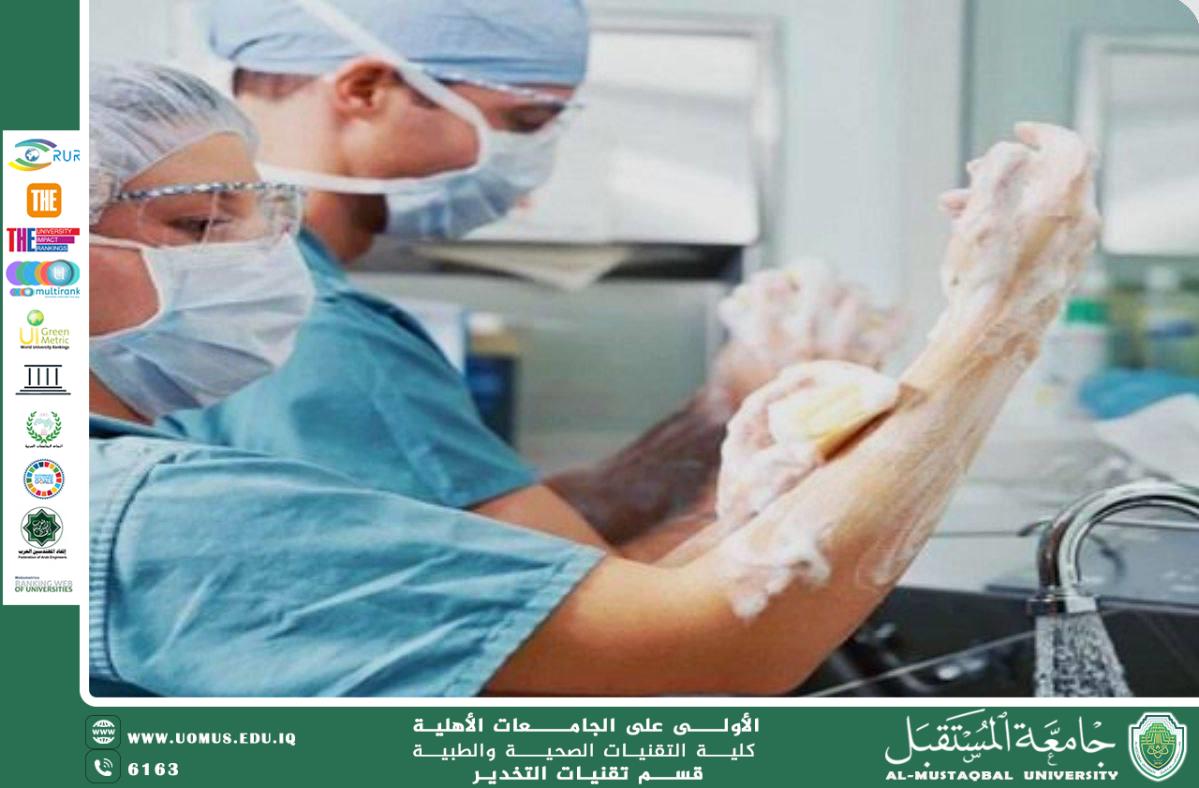
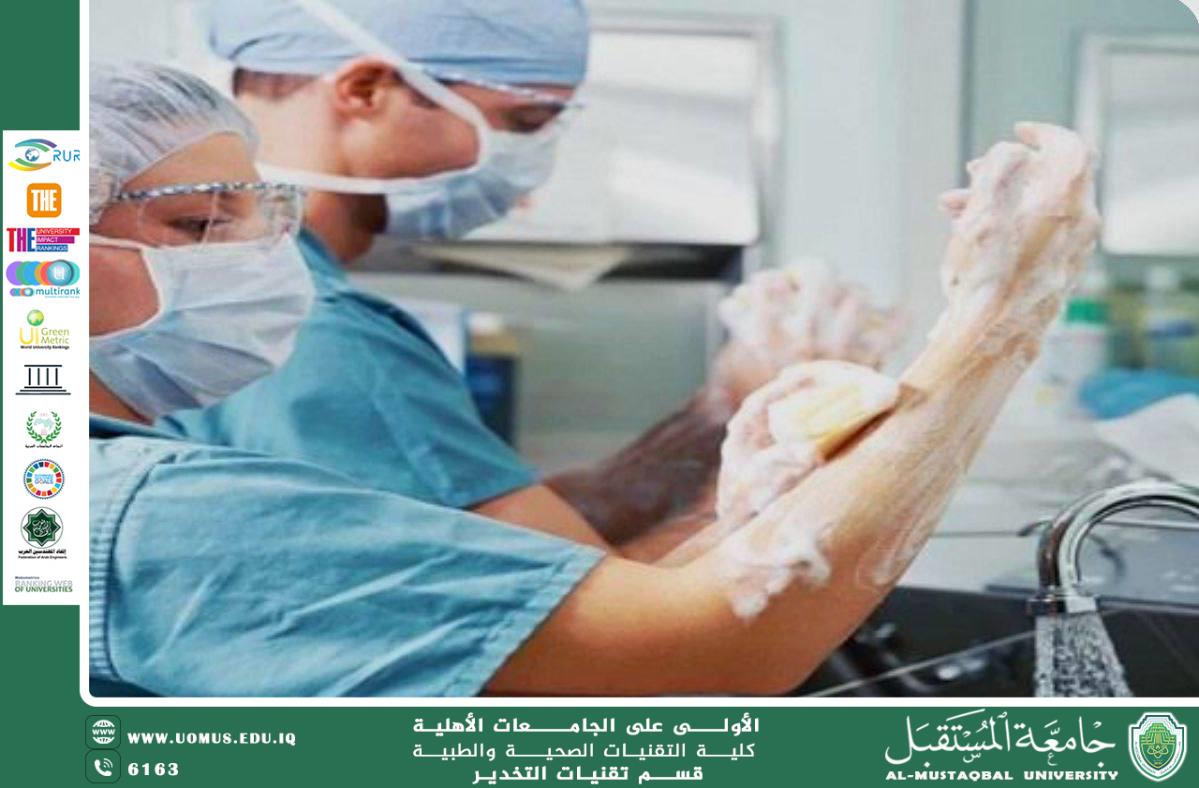
• Inadequate hand hygiene.
Air and Ventilation Systems
• Inefficient filtration systems (HEPA filters).
• Failure to maintain appropriate positive pressure.
• Improper air circulation.
Surgical Instruments and Equipment
• Inadequate sterilization of instruments.
• Use of damaged or contaminated tools.
• Improper storage of sterile instruments.
The Patient
• Presence of skin or systemic infections.
• Poor skin preparation prior to surgery.
Impact of Contamination on Surgical Outcomes
Increased Rates of Surgical Site Infections
Contamination directly leads to infections at the surgical site, which may result in surgical failure or the need for additional interventions.
Prolonged Recovery Period
Patients require longer recovery times, with increased length of hospital stay.
Higher Rates of Complications and Mortality
Especially among patients undergoing major surgeries or those with weakened immune systems.
Increased Economic Burden
Including additional treatment costs, medications, corrective surgeries, and greater consumption of healthcare resources.
Impact of Contamination on Healthcare Personnel
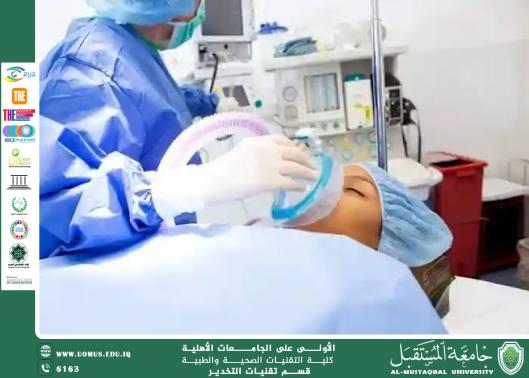
Chronic exposure to anesthetic gases may cause:
• Headaches and fatigue.
• Neurological disorders.
• Long-term effects on reproductive health.
• Increased risk of occupational infections.
Measures to Reduce Contamination in Operating Rooms
• Strict adherence to sterilization and disinfection policies.
• Minimizing the number of personnel and their movement within the operating room.
• Improving ventilation and air filtration systems.
• Continuous training of healthcare staff in infection control.
• Regular environmental monitoring (air, surfaces, instruments).
• Proper use of anesthetic gas scavenging systems.
Conclusion
Contamination in operating rooms represents a significant challenge to patient safety and healthcare system efficiency. Controlling it is not an individual responsibility but a collective effort involving administration, healthcare personnel, and infection control teams. Adherence to modern scientific practices and continuous development of infrastructure play a crucial role in reducing risks and improving surgical outcomes.
Ahmed Khuder
Al-Mustaqbal University
The First University in Iraq.