


Diabetes Mellitus: Types and Health Risks
Introduction
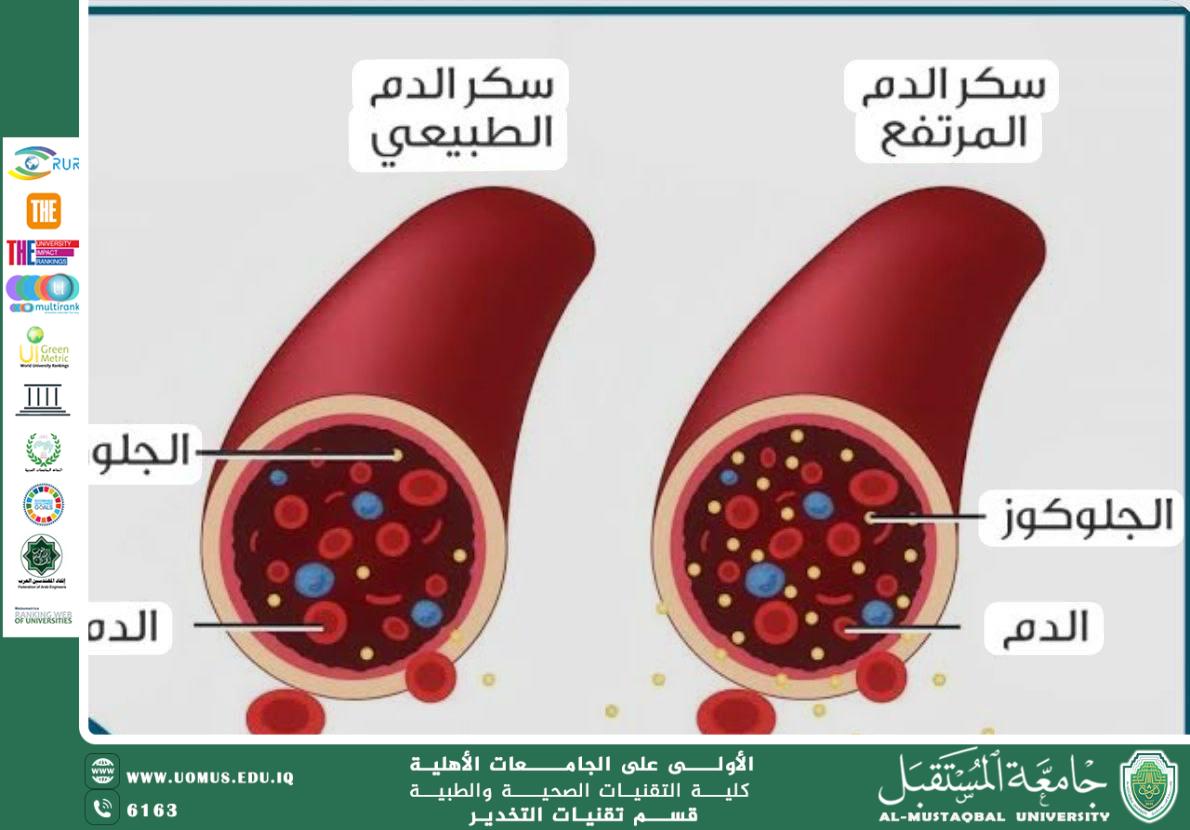
Diabetes mellitus is one of the most widespread chronic diseases worldwide and represents a major public health problem affecting various segments of society. The disease is characterized by elevated blood sugar (glucose) levels resulting from defects in insulin secretion or in the body’s ability to use insulin properly. Over time, poor control of diabetes can lead to serious health complications.
What Is Diabetes Mellitus?
Diabetes mellitus is a chronic metabolic disorder that occurs when the pancreas is unable to produce sufficient amounts of insulin, or when the body cannot use insulin effectively. Insulin is the hormone responsible for regulating blood glucose levels and allowing glucose to enter cells to be used as a source of energy.
Types of Diabetes Mellitus
First: Type 1 Diabetes Mellitus
• Usually occurs during childhood or adolescence.
• Results from immune-mediated destruction of pancreatic beta cells.
• Patients are permanently dependent on insulin therapy.
• Symptoms include excessive thirst, frequent urination, weight loss, and general fatigue.
Second: Type 2 Diabetes Mellitus
• The most common form of diabetes.
• Often associated with obesity, physical inactivity, and genetic factors.
• Insulin is present, but the body does not respond to it effectively.
• Can be managed through lifestyle modification and medications, and may later require insulin therapy.
Third: Gestational Diabetes
• Develops during pregnancy in some women.
• Usually resolves after delivery but increases the risk of developing type 2 diabetes later in life.
• Poses risks to both the mother and the fetus if not properly managed.
Fourth: Other Less Common Types
• Diabetes resulting from pancreatic diseases.
• Genetic diabetes (MODY).
• Drug-induced diabetes, such as that caused by corticosteroids.
Symptoms of Diabetes Mellitus
• Frequent urination and persistent thirst.
• Increased hunger accompanied by weight loss.
• Blurred vision.
• Fatigue and tiredness.
• Delayed wound healing.
Risks and Complications of Diabetes Mellitus
1. Acute Complications
• Hypoglycemia.
• Acute hyperglycemia (diabetic ketoacidosis).
2. Chronic Complications
• Cardiovascular system: increased risk of heart attacks and strokes.
• Nervous system: neuropathy, numbness, and tingling.
• Kidneys: renal failure.
• Eyes: diabetic retinopathy, which may lead to blindness.
• Diabetic foot: ulcers and infections that may result in amputation.
Prevention and Control of Diabetes Mellitus
• Following a healthy and balanced diet.
• Engaging in regular physical activity.
• Maintaining a healthy body weight.
• Regular monitoring of blood glucose levels.
• Adhering to the treatment prescribed by a physician.
• Health education for patients and the community.
Conclusion
Diabetes mellitus represents an ongoing health challenge that requires community awareness and cooperation between patients and healthcare professionals. Early diagnosis and adherence to a healthy lifestyle play a vital role in reducing risks and limiting complications, enabling individuals with diabetes to lead healthier and more stable lives.
Ahmed Khuder
Al-Mustaqbal University
The First University in Iraq.