"Empowering Women in Leadership" By Lecturer M.M. Suhaila Kazem
Women are considered the backbone of any society, especially in the Middle East, where they have set the finest examples in leading struggles. Societies continue to rely on women to lead the hoped-for development and progress of the region. However, there remains a clear imbalance in the distribution of leadership roles between men and women. Leadership positions at the highest levels are often highlighted as being occupied by men, while the role of women in leadership is marginalized, despite its great importance.
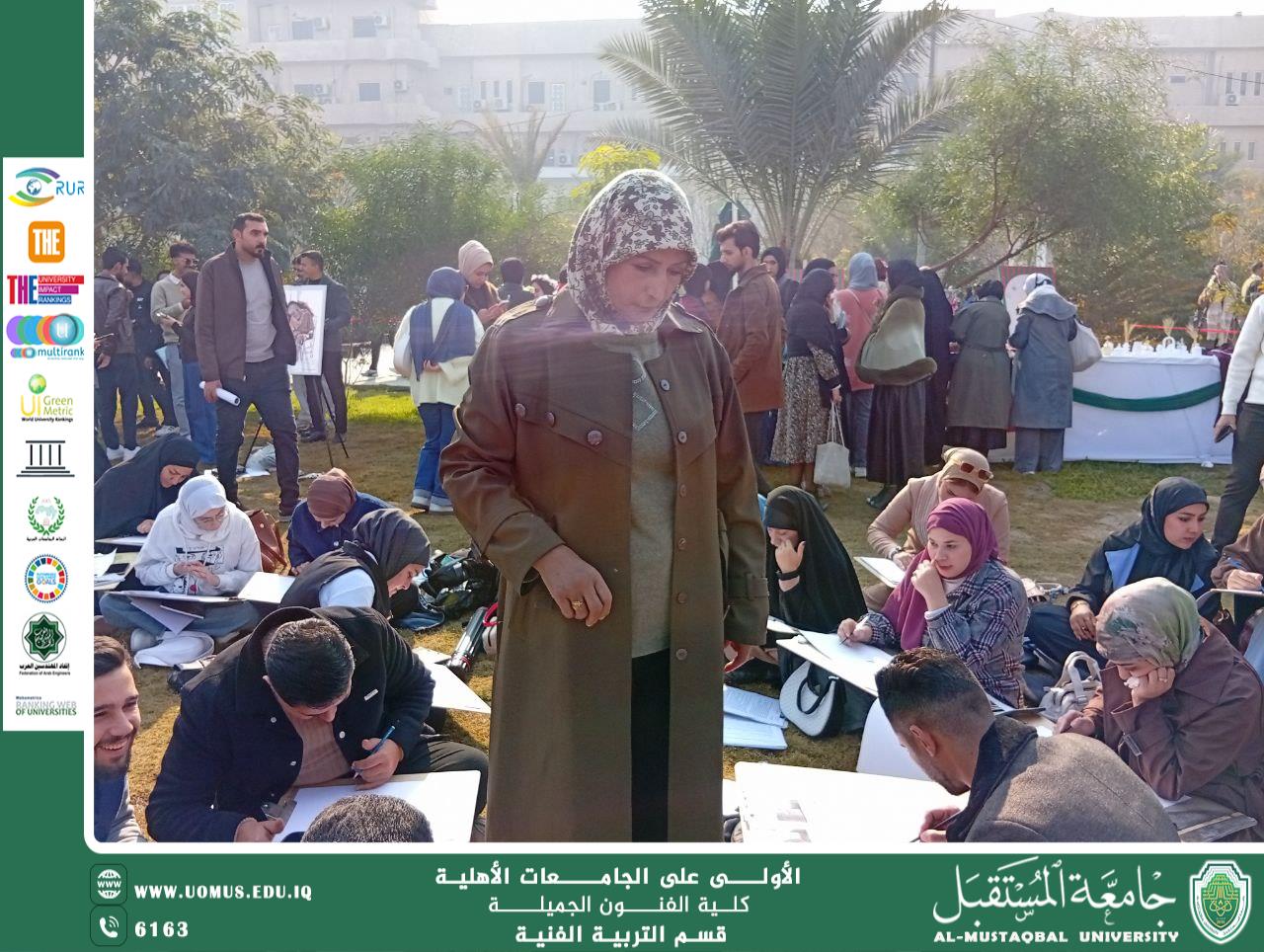
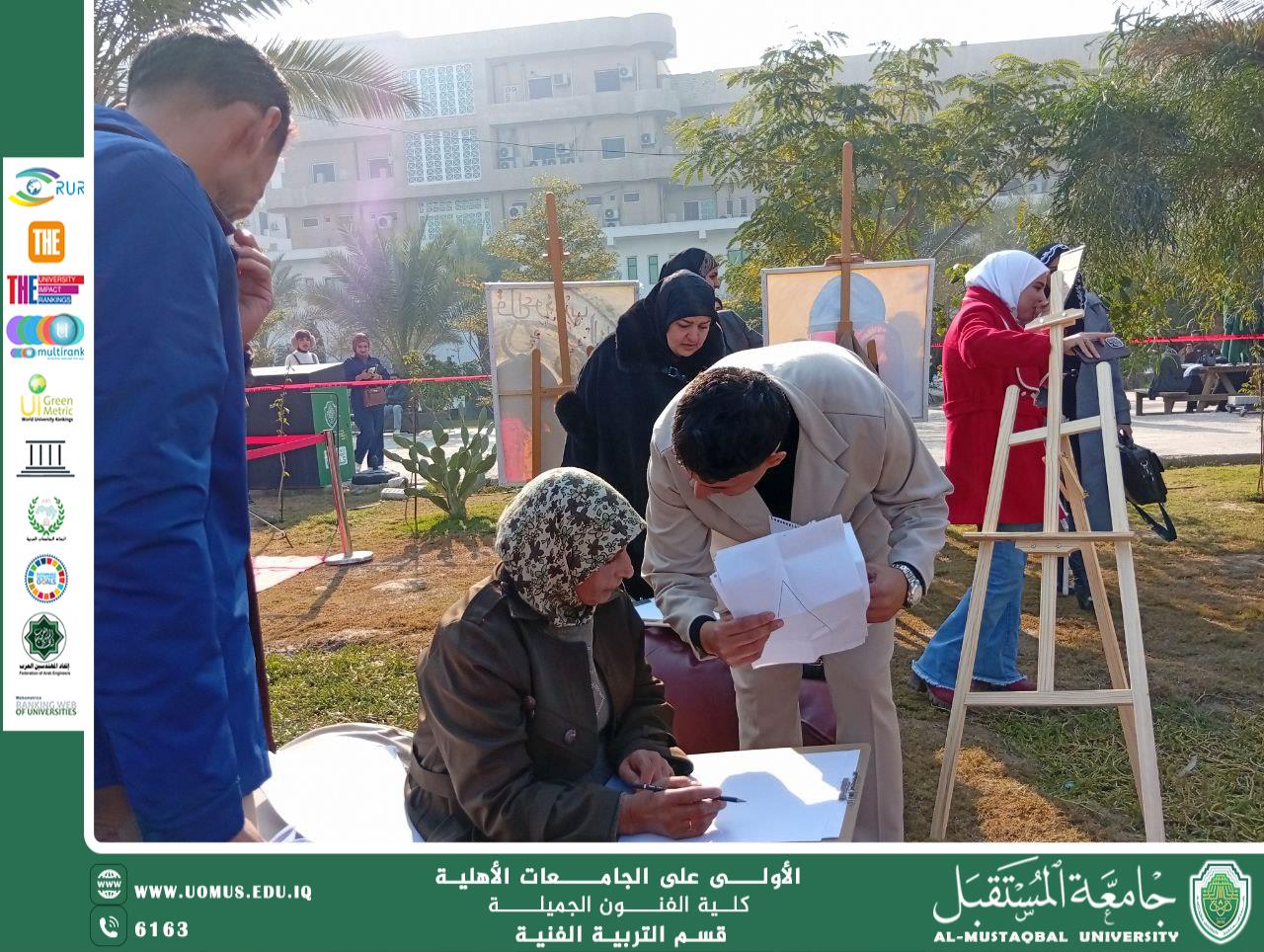
This session focuses on an important issue, namely the weak participation of women in decision-making. Such disparity represents a major challenge to achieving the goals of sustainable development, equality, prosperity, peace, and stability.
Although societies have made significant strides toward gender equality, women’s leadership roles have not received an equitable share of this progress. This is largely due to persistent traditional biases and evident challenges that have hindered women’s professional lives.
At the same time, several societies have revealed distinctive characteristics of female leadership and have begun to employ them across various suitable fields. This has resulted in notable success, restoring women’s right to assume all forms and patterns of administrative leadership.
A report issued by the SCIKEY research platform—an AI-based digital platform for jobs and employment that helps companies assess and recruit candidates—showed that women outperform men in organizational development and talent training. Approximately 6.56% of professional women excel in organizational development and talent training, compared to 3.26% of professional men.
This superiority is attributed to the fact that many female managers are mothers responsible for raising their children, which is reflected in their leadership performance in the workplace. A 2020 report conducted on a sample of 5,388 individuals confirmed that, because women tend to train and mentor their children more effectively, employees working under female supervision outperform those working under male supervisors.
The Importance of Women in Leadership
Numerous studies indicate that business organizations with genuine gender diversity—whether in job roles, decision-making processes, or organizational activities—are better positioned to achieve improved results and higher revenues.
Based on the importance of maximizing the benefits of women’s skills in senior positions, this article highlights the main reasons that encourage delegating certain types of effective leadership roles to women alongside men. Particularly when diversity exists at the management and leadership levels across various departments, organizations can better harness women’s leadership skills and talents.
Leadership Qualities That Distinguish Women
First: Embracing New Perspectives
Many female leaders have demonstrated creative thinking and innovative plans capable of changing the course of society for the better, owing to their high efficiency and ability to generate ideas beyond conventional norms.
Second: More Effective Leadership
Extensive global research indicates that women’s leadership, especially after the age of 40, becomes more effective and efficient than men’s leadership. This is largely because many female leaders face circumstances that compel them to acquire new skills, particularly in balancing professional leadership with personal life.
Third: Greater Empathy
Women are more likely to use emotional intelligence effectively in leadership, managing institutions through employee motivation and transparent, trustworthy communication. This leadership style is often more successful than rigid or alienating approaches, as it stimulates the latent efforts and energies of most employees.
Fourth: Merit-Based Leadership
In general, women do not attain leadership positions unless they are truly qualified for them. Specifically, informed experience, documented academic qualifications, a deep understanding of leadership requirements, and the pursuit of effective leadership all play a crucial role in appointing women to senior leadership positions.
Key Challenges Facing Women in Leadership
Achieving equality between men and women in leadership remains difficult due to several challenges that hinder women’s access to senior leadership roles and obstruct their path toward self-realization and the dissemination of their talents and expertise.
Stereotyping
It is commonly believed across many societies that leadership positions are reserved exclusively for men. Some even consider women’s assumption of senior roles—whether in culture, economics, or politics—a disgrace. This mindset has negatively affected women across all job roles, resulting in significantly lower promotion opportunities compared to men.
Deep-Seated Bias Against Women
In some workplaces, women suffer from a lack of support for their efforts to develop their institutions, with opportunities instead being directed toward men for higher-level promotions. Whether rooted in tradition or blind trust in men’s capabilities, such bias cannot justify marginalizing women’s efforts or ignoring their skills.
Lack of Flexibility
Women often carry heavy responsibilities toward their families in addition to their professional roles, which may require occasional leave or flexible arrangements. However, many institutions fail to consider these responsibilities, adopting inflexible policies that make leadership positions seem like an insurmountable challenge for women.
From this perspective, leadership competence should be assessed objectively before judging a woman’s suitability for leadership roles. It is unjust to evaluate women’s professional standing based on stereotypes about inherent weakness while disregarding their genuine efforts to achieve their goals and ambitions.
Conclusion
Women’s leadership is a fundamental requirement of the twenty-first century. Therefore, all civil society organizations and institutions must prioritize empowering women in leadership across various administrative roles and unlocking their latent potential. This will significantly enhance the chances of organizational success, as leadership is a demanding responsibility that requires the participation and support of all members of society and state institutions alike.
Almustaqbal University, The First University in Iraq