From the Stethoscope to the Algorithm: The Transformation of the Essence of Diagnosis (Eng. Programmer Huda Khudair Hani)
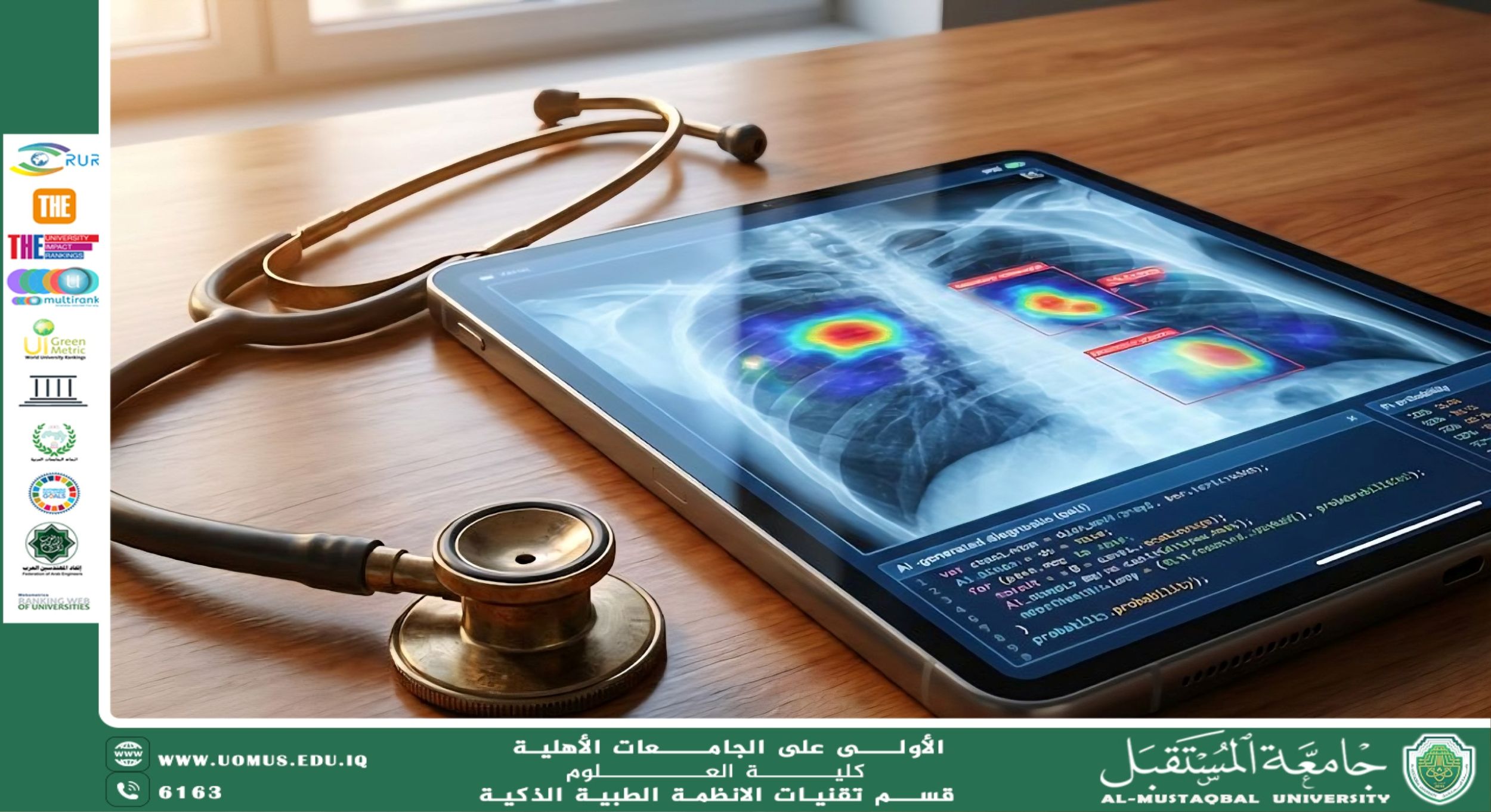
Medical diagnosis has traditionally been associated with direct clinical examination and careful observation of symptoms, with tools such as the stethoscope symbolizing the human interaction between physician and patient. With the rapid advancement of artificial intelligence technologies, diagnosis has undergone a fundamental shift toward reliance on algorithms capable of analyzing medical images and vital data and extracting subtle patterns that are difficult for humans to detect.
This transformation has led to improved diagnostic accuracy and faster disease detection, particularly in early stages, and has contributed to reducing variability among different medical assessments. However, algorithmic diagnosis depends primarily on the quality of the input data, making it vulnerable to bias or errors arising from incomplete or non-representative clinical data.
Moreover, the growing reliance on algorithms poses a challenge related to the interpretability of results, as some artificial intelligence models operate as “black-box” systems whose internal logic is difficult to understand. This can limit the physician’s ability to critically evaluate diagnostic decisions and may affect their trust in the presented outcomes.
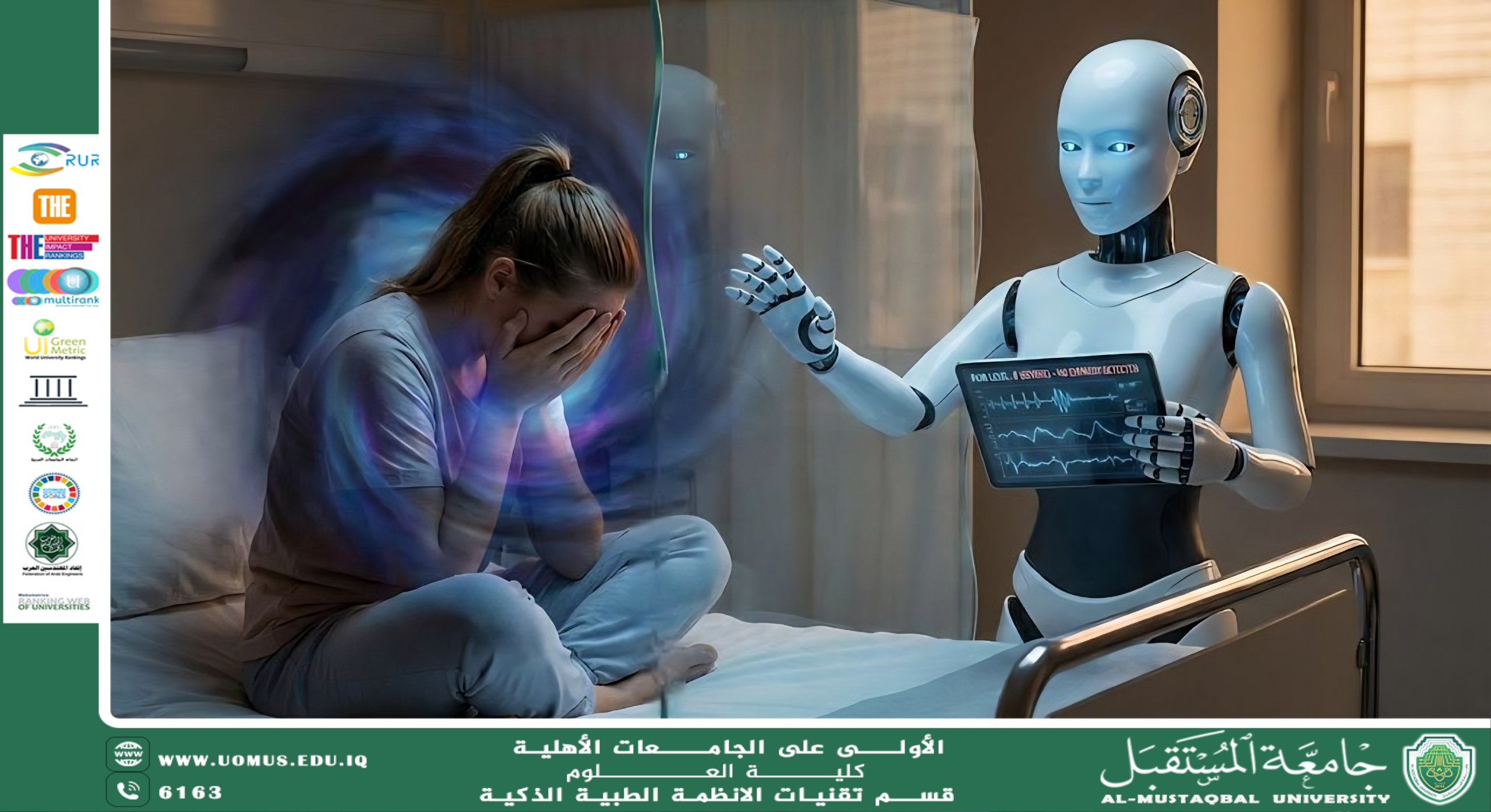
Accordingly, the essence of medical diagnosis has not lost its human character; rather, it has been reshaped to incorporate an advanced technological dimension. The integration of clinical expertise and traditional examination on one hand, with algorithmic analysis on the other, represents the safest and most effective approach, ensuring that technology remains a supportive tool rather than a substitute for the physician’s professional role.