Enhancing Academic Understanding among Students of the Department of Prosthetics and Orthotics Engineering and Its Impact on Integrating Theory with Practice
presented by engineer Aya Talib Hassan
Engineering education is one of the fundamental pillars in preparing qualified professionals capable of meeting the demands of the evolving labor market, especially in application-oriented specializations such as Prosthetics and Orthotics Engineering. Enhancing students’ academic understanding emerges as a key element in building a solid knowledge base that enables them to comprehend theoretical concepts and apply them practically with efficiency and professional awareness.
The Importance of Academic Understanding in Applied Specializations
Deep academic understanding forms the foundation upon which practical skills are built. The student’s role goes beyond memorizing information to analyzing it and relating it to real-world applications. In the field of prosthetics and orthotics engineering, dealing with clinical cases and engineering designs requires precise understanding of biomedical engineering principles, functional anatomy, biomechanics, and the properties of materials used in manufacturing.
Linking Theory with Practice
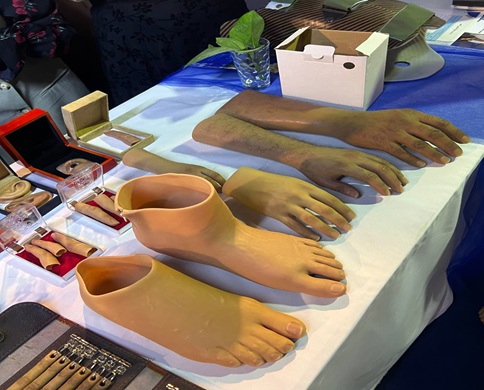
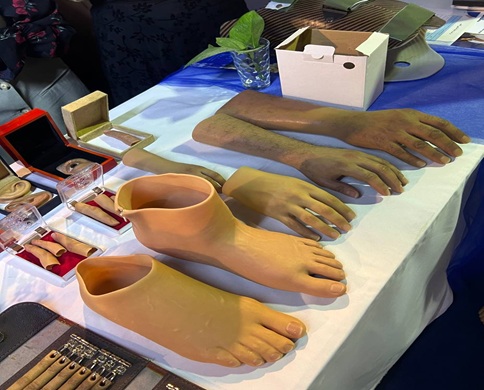
Integrating theoretical lectures with hands-on training in laboratories and engineering workshops contributes significantly to enhancing students’ academic understanding. When students are given the opportunity to apply what they learn theoretically through designing prosthetic limbs or manufacturing orthotic devices using engineering design software such as SolidWorks, scientific concepts become clearer, and students become more capable of solving real-life problems they may encounter in their future professional careers.
The Role of Practical Training and Laboratories
Educational laboratories and field training play an effective role in transforming theoretical knowledge into applied skills. Practical experiments help students understand device mechanisms, select appropriate materials, and handle design errors, thereby enhancing critical thinking and fostering innovation and development.
The Role of Academic Staff in Enhancing Academic Understanding
Academic staff members bear a fundamental responsibility in enhancing academic understanding by adopting modern teaching strategies such as problem-based learning, case studies, and collaborative applied projects. Continuous academic guidance also helps students connect theoretical concepts with their practical applications in the field of prosthetics and orthotics engineering.
Conclusion
Enhancing academic understanding among students of the Department of Prosthetics and Orthotics Engineering is a crucial step toward preparing competent engineers capable of integrating theoretical knowledge with practical experience. This integration contributes to improving the quality of educational outcomes and raising professional performance levels, ultimately benefiting both students and the community.