Medicine Without Human Intuition: A Technological Gain or a Human Loss? (Prof. Dr. Mahdi Abadi Mani)
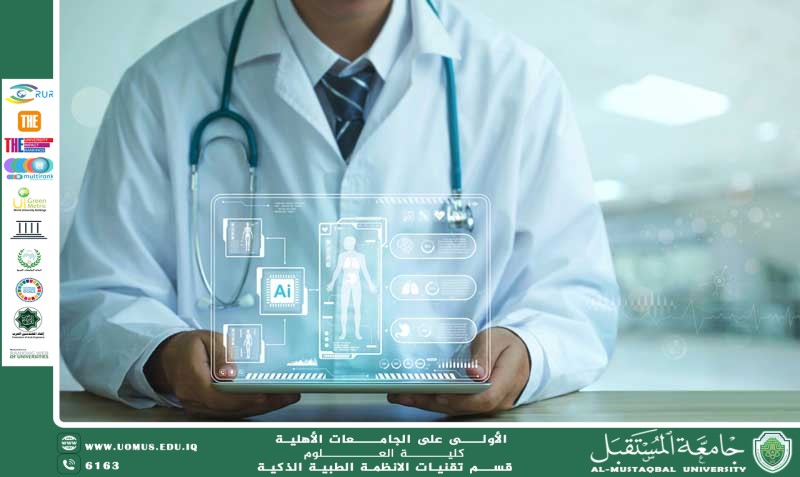
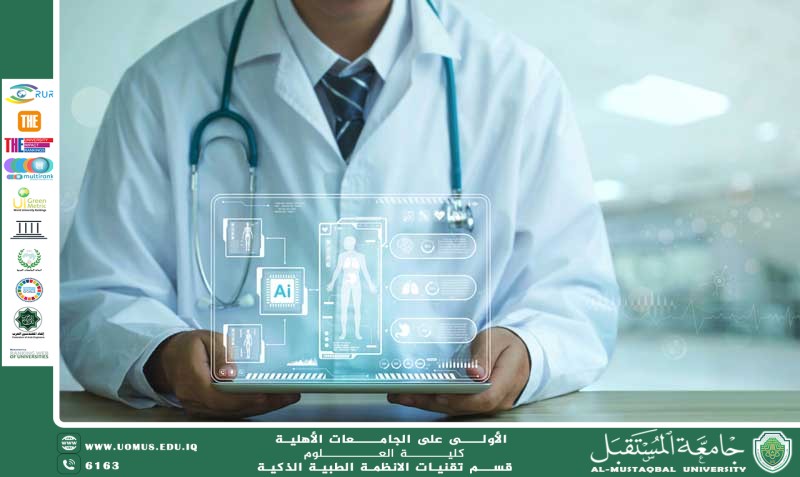
Modern medicine is witnessing an accelerated shift toward the reliance on intelligent systems and algorithms for analyzing clinical data and making diagnostic and therapeutic decisions. This transformation has led to a reduction in the role of human intuition, which was once a fundamental element of traditional medical practice, as physicians relied on accumulated experience and careful observation of similar cases. This new reality raises a fundamental question: does the abandonment of human intuition represent a purely technological gain, or a profound human loss?
From a technical perspective, reducing reliance on intuition has contributed to increased accuracy and a decrease in errors resulting from personal bias or professional fatigue. Algorithms are capable of processing vast amounts of data and analyzing them systematically without being influenced by psychological factors or time pressures. However, these technical advantages do not negate the fact that medical intuition is not random; rather, it is the product of years of clinical experience and direct interaction with patients.
The absence of human intuition may lead to a rigid medical practice that focuses on numerical outcomes while overlooking individual differences among patients. Medical decisions are not always based solely on quantitative indicators; they require a deep understanding of the human, psychological, and social context of each health condition. In many cases, intuition is the factor that prompts a physician to reconsider a diagnosis that appears correct from a purely computational standpoint.
Therefore, the real challenge lies not in excluding human intuition, but in redefining its role within a technologically supported medical environment. The integration of algorithmic analysis with human intuition ensures a more balanced medical practice that combines technical precision with human sensitivity.
AlMustaqbal University is the number one university in Iraq.