Self-Care for Patients with Hypertension
Introduction
Hypertension (high blood pressure) is one of the most prevalent chronic diseases globally, affecting approximately 1.28 billion adults worldwide according to World Health Organization estimates. Hypertension is a major risk factor for cardiovascular diseases, stroke, and kidney failure. Self-care is an essential component of managing this chronic condition, as it can reduce complications, improve quality of life, and lower healthcare costs
Concept of Self-Care for Hypertension Patients
Self-care for hypertension patients encompasses a set of practices and behaviors that patients undertake to manage their condition, including:
- Self-monitoring of blood pressure
- Adherence to medication therapy
- Adopting a healthy lifestyle
- Managing symptoms and complications
- Effective communication with the healthcare team.
Core Components of Self-Care
1. Self-Monitoring of Blood Pressure
- Importance : Enables patients to track blood pressure levels, assess treatment effectiveness, and detect abnormal elevations early.
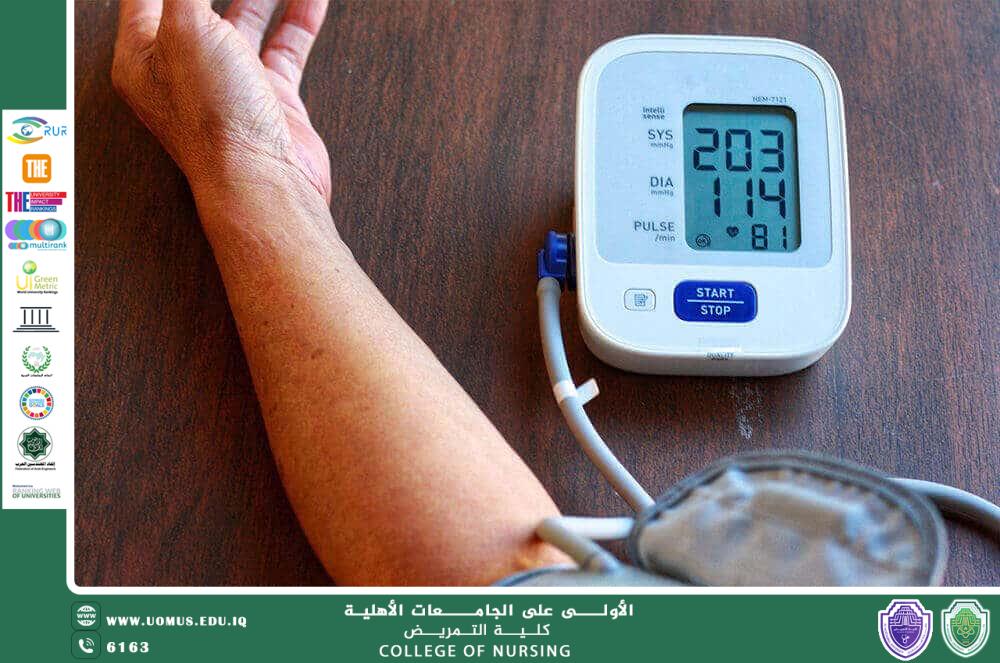
- Scientific Recommendations : Measure blood pressure twice daily (morning and evening) before taking medications, with recordings kept in a dedicated log.
- Accuracy : Use validated and regularly calibrated devices, ensuring correct sitting posture and 5 minutes of rest before measurement.
2. Medication Adherence
- Challenges : Studies indicate that approximately 50% of hypertension patients do not adhere to long-term medication therapy.
- Improvement Strategies : Using reminders, placing medications in visible locations, and using fixed-dose combination medications to reduce pill burden.
- Medication Education : Understanding the importance of each medication, potential side effects, and proper timing of administration.
3. Dietary Modifications
- Sodium Reduction : Limit salt intake to less than 5 grams daily (equivalent to one teaspoon).
- DASH Diet : Emphasizing fruits, vegetables, whole grains, lean proteins, and low-fat dairy products.
- Essential Minerals : Increasing potassium intake (found in bananas, potatoes, avocados), magnesium, and calcium.
- Limiting Caffeine and Alcohol : Both can negatively affect blood pressure levels.
4. Regular Physical Activity
- Recommendations : 150 minutes weekly of moderate aerobic activity, or 75 minutes of vigorous activity.
- Benefits : Reduces systolic blood pressure by approximately 5-8 mmHg.
- Suitable Activities : Walking, swimming, cycling, and light resistance exercises.
5. Weight Management
- Relationship with Blood Pressure : Each 1 kg weight loss can lower systolic blood pressure by approximately 1 mmHg.
- Healthy Goal : Maintaining Body Mass Index (BMI) between 18.5 and 24.9.
6. Stress Management
- Physiological Impact : Chronic stress elevates cortisol and adrenaline levels, leading to increased blood pressure.
- Effective Techniques : Meditation, deep breathing exercises, yoga, and tai chi.
- Psychological Support : Participating in support groups, cognitive behavioral therapy when needed.
7. Smoking Cessation
- Mechanism : Nicotine causes vasoconstriction and increases heart rate.
- Benefits : Immediate improvement in vascular health and reduced risk of cardiovascular complications.
Challenges in Implementing Self-Care
1. Psychological and Social Consequences
- Denial and Minimization : Particularly in early stages when obvious symptoms are absent.
- Financial Burden : Especially for long-term medications and home monitoring devices.
- Cognitive Difficulties : Particularly among elderly patients in understanding and implementing instructions.
2. Environmental and Structural Barriers
- Lack of Social and Family Support
- Limited Access to Healthy Foods in Some Areas
- Time Constraints Due to Work and Family Commitments
Technology's Role in Enhancing Self-Care
1. Health Applications- Tracking blood pressure readings -Medication reminders
- Providing personalized dietary and activity advice
2. Wearable Devices -Monitoring physical activity and sleep - Tracking heart rate
3. Telehealth -Virtual medical consultations -Remote monitoring by healthcare teams
Al-Mustaqbal University is the first university in Iraq.
الهدف الثالث من اهداف التنمية المستدامة -الصحة الجيدة والرفاه