The Effect of Laser Radiation on the Eyes
Laser technology has become widely used in medical, cosmetic, industrial and research fields due to its high precision and ability to deliver concentrated energy to a specific target. Despite its significant benefits, improper or unsafe exposure to laser radiation can cause serious damage to the eyes, which are among the most sensitive organs to optical radiation.
Mechanism of Laser Interaction with the Eye
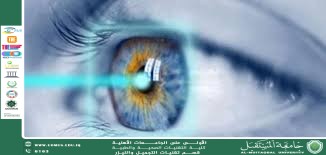
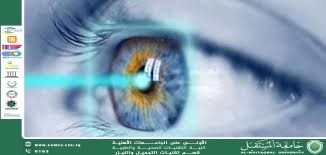
The severity of laser-induced eye injury depends on several factors, including laser power, wavelength, exposure duration, beam divergence, and distance from the source. The eye’s optical system, particularly the cornea and lens, focuses incoming laser beams onto the retina, significantly increasing the energy density and the risk of retinal damage.
Potential Ocular Hazards of Laser Exposure
Retinal Damage:
High-energy laser exposure can cause thermal or photochemical injury to the retina, potentially leading to permanent vision loss or scotomas.
Corneal Burns:
Exposure to infrared or ultraviolet laser radiation may result in corneal epithelial damage, leading to pain, photophobia, and blurred vision.
Lens Injury:
Prolonged exposure to certain wavelengths may contribute to lens opacification and increase the risk of cataract formation.
Temporary or Permanent Visual Impairment:
Depending on exposure conditions, laser radiation may cause temporary visual disturbances or irreversible blindness.
Safe Medical Applications of Lasers in Ophthalmology
Despite the associated risks, lasers are safely and effectively used in ophthalmology under controlled conditions, such as:
Laser-assisted in situ keratomileusis (LASIK) for vision correction
Photocoagulation therapy for retinal disorders
Treatment of glaucoma and diabetic retinopathy
These procedures are performed by trained specialists using precise protocols and protective measures.
Preventive Measures and Eye Safety
Wearing certified laser safety goggles appropriate for the laser wavelength
Avoiding direct or reflected laser beam exposure
Following international laser safety standards
Ensuring laser devices are operated only by qualified personnel
Conclusion
Laser radiation represents a powerful tool with extensive medical and technological applications; however, it poses significant risks to ocular health when misused. Proper safety practices, awareness, and professional handling are essential to prevent laser-induced eye injuries and to preserve visual function.
Al-Mustaqbal University – The First University in Iraq