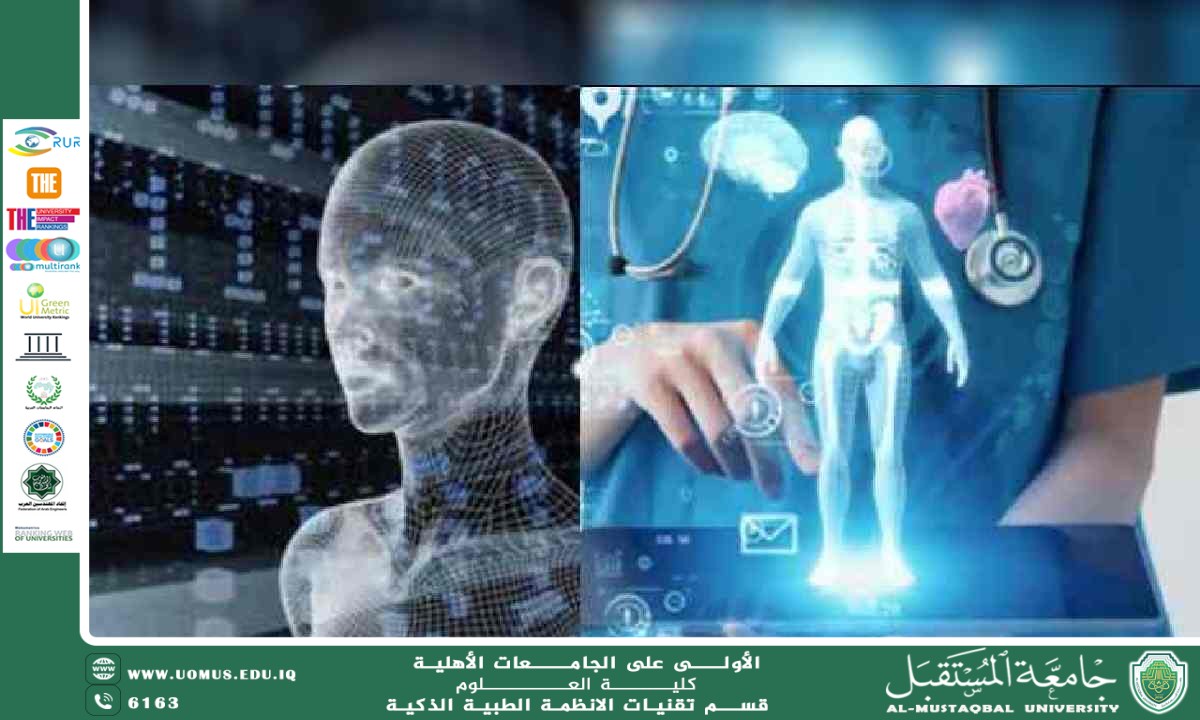

Smart Applications in Health Awareness
In recent years, the healthcare sector has witnessed remarkable development due to the widespread use of smart applications supported by artificial intelligence, which have become effective tools in health awareness and disease prevention. These applications have evolved from being simple fitness trackers into intelligent platforms that contribute to behavior modification, improve quality of life, and reduce the spread of many chronic and infectious diseases.
First: The Role of Health Applications in Enhancing Preventive Awareness
Smart health applications play a vital role in raising health awareness by providing reliable medical information in a simplified and easily accessible manner. This helps users better understand health risks and prevention methods. These applications offer regular reminders for medication schedules, nutritional guidance, physical activity tracking, and alerts for periodic medical check-ups and vaccinations.
Moreover, such applications promote early disease detection by notifying users of initial symptoms that require medical consultation, thereby reducing disease complications and reinforcing the concept of prevention rather than treatment.
Second: Artificial Intelligence and User Behavior Analysis
Artificial intelligence plays a central role in the development of health applications. Intelligent algorithms analyze health data and user behaviors, such as sleep patterns, physical activity levels, dietary habits, and general health indicators. Based on this analysis, applications can provide personalized health recommendations tailored to each user’s needs.
Machine learning techniques also help predict potential health risks, such as the likelihood of developing heart disease or diabetes, enabling users to adopt positive lifestyle changes before symptoms appear.
Third: Guiding Users Toward a Healthy Lifestyle
Smart applications influence healthy behavior through continuous motivation, such as setting daily health goals, tracking achievements, and providing periodic progress reports. Some applications employ gamification techniques and digital rewards to encourage long-term adherence to healthy habits.
In addition, these applications support mental health by offering meditation, relaxation techniques, and stress-level monitoring, reflecting a holistic approach to health that integrates both physical and psychological well-being.
Fourth: Challenges and Future Prospects
Despite the significant benefits of smart health applications, challenges remain related to data privacy protection, information accuracy, and user trust. However, ongoing advancements in artificial intelligence are expected to enhance application efficiency and expand their role in supporting healthcare systems.
Al-Mustaqbal University is the first university in Iraq.