Transition Toward Smart Systems in Power Mechanics
Transition Toward Smart Systems in Power Mechanics
The world today is experiencing rapid technological advancement across various engineering fields, most notably in the field of Power Mechanics Engineering Technologies. With the continuous progress in computing, communication, and artificial intelligence technologies, transitioning toward smart systems has become an urgent necessity to enhance the efficiency of mechanical systems, improve performance, and reduce operational costs. This transformation is a fundamental step in keeping pace with the requirements of modern industry.
Concept of Smart Systems in Power Mechanics
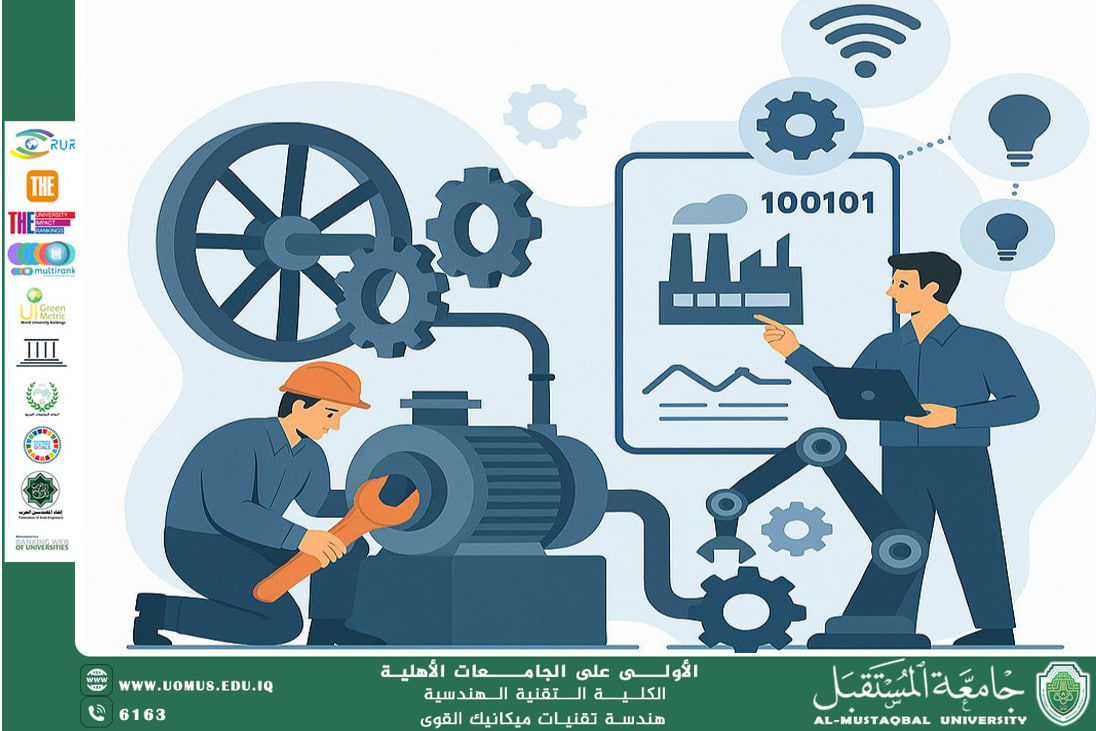
Smart systems in power mechanics refer to mechanical systems that integrate sensors, control units, and advanced software to analyze data and make autonomous decisions. These systems are distinguished by their capabilities in continuous monitoring, self-diagnosis of faults, and adaptability to varying operational conditions without direct human intervention.
Drivers of the Shift Toward Smart Systems
Several key factors have driven this transformation, including:
- Enhancing energy efficiency and minimizing waste in mechanical systems
- Reducing unexpected breakdowns through predictive maintenance
- Improving industrial safety and protecting equipment and personnel
- Enhancing production quality and ensuring operational continuity in industrial facilities
Applications of Smart Systems in Power Mechanics
Smart systems are applied in numerous areas within power mechanics, such as:
1. Intelligent control systems for motors, pumps, and compressors
2. Monitoring and optimizing the performance of cooling and air conditioning systems to improve energy consumption
3. Utilizing artificial intelligence techniques for diagnosing mechanical faults
4. Efficient management and operation of power generation plants
The Role of the Power Mechanics Engineer
The role of the power mechanics engineer has become more comprehensive, extending beyond operation and maintenance to include:
1. Understanding fundamental control and programming systems
2. Analyzing operational data and making informed decisions
3. Handling, maintaining, and developing smart systems
Challenges Facing the Transformation
Despite its significant benefits, the transition toward smart systems faces several challenges, including:
1. High initial costs of smart equipment
2. The need for training engineering and technical personnel
3. Cybersecurity requirements and data protection
The transition toward smart systems in power mechanics represents a strategic step to align with global industrial development. This transformation contributes to improved performance efficiency, reduced system failures, and sustainable energy utilization. Therefore, it is essential to equip students in the Department of Power Mechanics Engineering Technologies with modern technical knowledge, enabling them to effectively engage with these systems and contribute to the advancement of the industrial sector in the future.
Lect: Fatimatulzahraa Adnan Rahi