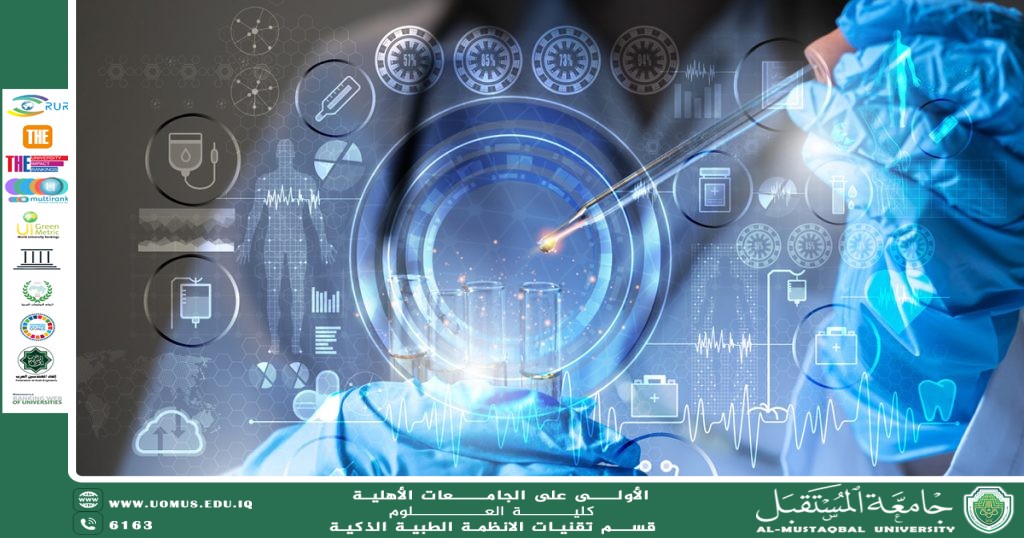

Nanotechnology in Medicine: A Scientific Revolution in Disease Diagnosis and Therapeutic Development (Assist. Prof. Maytham Nabeel Miqdad)
Modern medicine has witnessed a remarkable qualitative transformation with the emergence of nanotechnology, which is based on the use of materials and tools at an extremely small scale to interact with cells and molecules inside the human body. This scientific advancement has contributed to a major shift in understanding, diagnosing, and treating diseases by enabling work at the cellular and molecular levels with unprecedented precision.
In the field of drug and therapeutic development, nanotechnology has made it possible to design intelligent systems for delivering medications directly to the sites of disease, thereby increasing treatment effectiveness and reducing side effects. Nanoparticles can carry therapeutic agents, protect them from degradation within the body, and release them in a controlled manner once they reach the targeted cells. This approach has proven particularly impactful in the treatment of chronic and complex diseases, such as cancer and neurological disorders, where affected cells can be targeted without harming healthy tissues, leading to improved treatment outcomes and enhanced quality of life for patients.
In medical diagnostics, nanotechnology has played a pivotal role in the early detection of diseases at the cellular level. Highly sensitive nanosensors and nanomaterials are capable of detecting molecular changes that occur before clinical symptoms appear, enabling diagnosis at early stages of disease. Moreover, these technologies have significantly improved the accuracy of medical imaging by enhancing image contrast and clarity, allowing physicians to diagnose pathological conditions more accurately and efficiently. In addition, nanotechnology has provided advanced tools to monitor cellular responses to treatment, supporting medical decision-making based on precise and real-time data.
In light of these developments, nanotechnology is considered one of the most important future pillars of modern medicine, given its vast potential in precise therapy and early diagnosis. With continued scientific research and technological progress, this field is expected to bring about a true revolution in healthcare, focusing on prevention, personalized treatment, and improved efficiency of medical systems, ultimately having a positive impact on human health and society.
University of Al-Mustaqbal the first university in Iraq.