
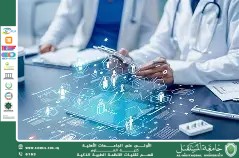
Technology in Managing Infectious Diseases: The Role of Smart Applications and Artificial Intelligence (Prof. Dr. Mahdi Abadi Mani).
In recent decades, there has been significant progress in managing infectious diseases, especially with the emergence of modern epidemics and global health challenges. Reliance on digital technology, including mobile applications and artificial intelligence, has become essential in monitoring and combating these diseases. Mobile applications play a crucial role in tracking infectious diseases by providing fast and effective means of collecting and analyzing health data. Through these applications, users can report their symptoms, record their locations, and interact with public health databases. These applications also help health authorities identify infection hotspots in real time, track the movement of infected individuals, and notify those who may have been exposed, which helps reduce the spread of diseases and enhances the ability of health authorities to respond quickly and effectively.
Artificial intelligence serves as a powerful tool for understanding the dynamics of infectious disease spread and predicting their development. Intelligent algorithms can analyze vast amounts of epidemiological data, including infection rates, recovery rates, population movement patterns, and environmental and social changes that may affect disease transmission. Through these analyses, accurate simulation models can be created to estimate the likelihood of disease outbreaks and provide strategic recommendations for preventive measures such as social distancing, quarantine, and resource allocation.
Despite the significant benefits digital technology provides, such as faster data collection, improved accuracy of analyses, and reduced burden on healthcare systems, it faces challenges related to protecting user privacy, ensuring the accuracy of reported data, and addressing digital gaps across communities. Integrating smart applications and artificial intelligence into infectious disease management represents a transformative step in public health, allowing precise monitoring, rapid response, and effective strategic planning. With continued technological advancement, these tools are expected to become even more capable of mitigating the impact of epidemics and protecting community health.
University of Al-Mustaqbal the first university in Iraq.