
The Impact of Smoking and E-Cigarettes on Pregnant Women's Health: Unseen Risks That May Threaten Fetuses
Smoking is one of the biggest health risks threatening individuals, especially pregnant women. In recent years, e-cigarettes have emerged as an alternative believed to be less harmful than traditional smoking. However, recent studies indicate that their health effects may be more complex than previously thought. In this article, we will discuss the impact of smoking and e-cigarettes on women during pregnancy, focusing on the health risks that can affect both the mother and the fetus.
1. Traditional Smoking and Its Impact on Pregnancy:
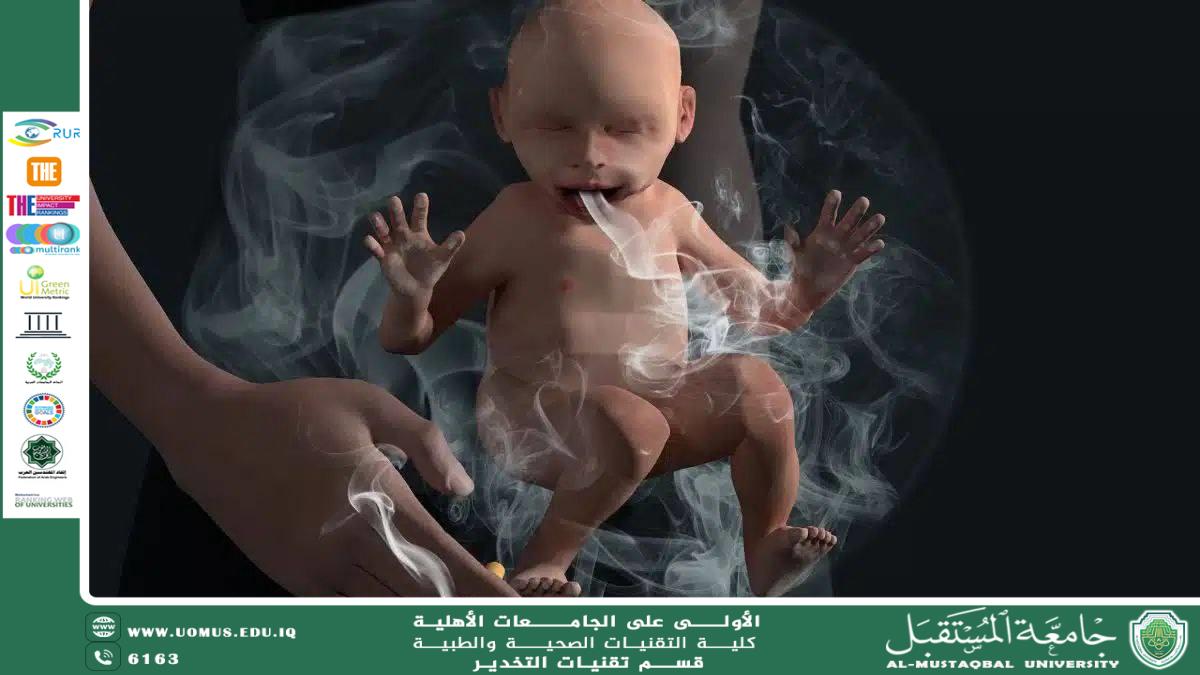
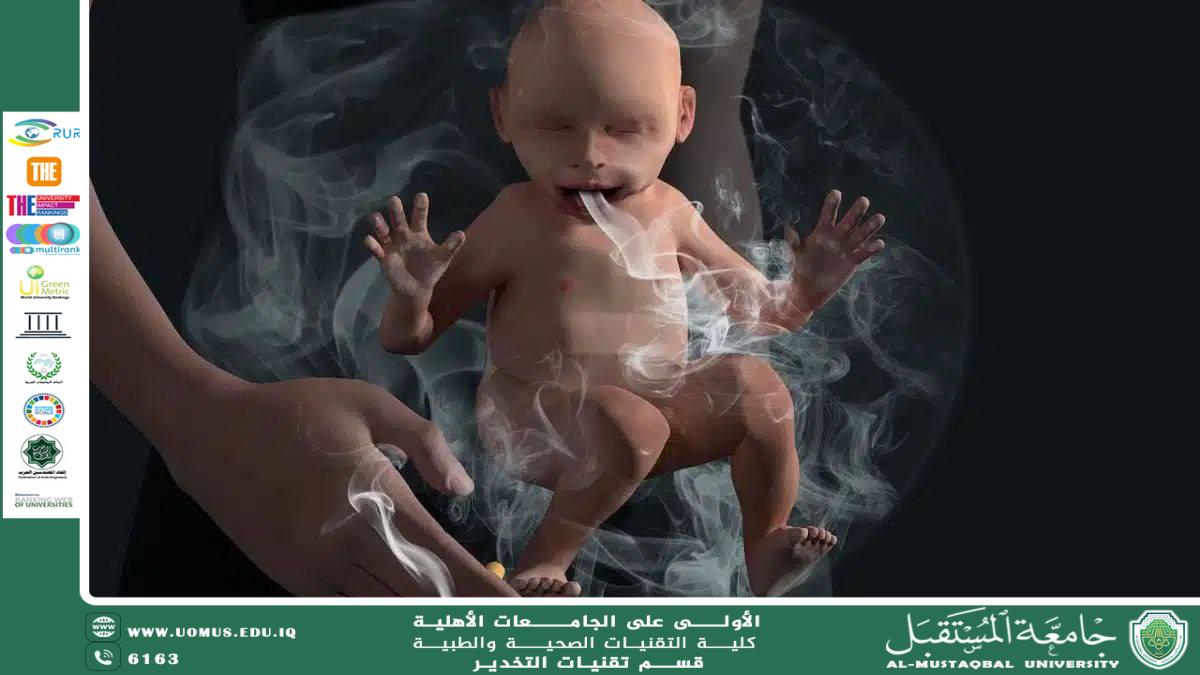
Smoking during pregnancy is one of the main factors that negatively affect fetal health. Medical studies confirm that the toxic substances contained in traditional cigarettes, such as nicotine, carbon monoxide, and tar, can lead to severalhealth complications that may affect both the mother and the fetus. The most prominent of these effects include:
Premature Birth: Smoking increases the likelihood of premature birth, which puts the fetus at risk of complications such as developmental delays or respiratory problems.
Low birth weight: Babies whose mothers smoked during pregnancy are often born underweight, increasing their risk of long-term health problems.
Brain development problems: Nicotine and carbon monoxide can affect fetal brain development, potentially leading to learning and behavioral problems later in life.
Increased risk of birth defects: Smoking is linked to an increased likelihood of birth defects, including cardiovascular problems.
2. E-cigarettes and their effects on pregnancy:
Although e-cigarettes are considered a "less harmful" alternative to traditional smoking, scientific evidence suggests their effects are no less dangerous, especially during pregnancy. E-cigarettes contain nicotine, a toxic substance that directly affects fetal development. There are several risks associated with using e-cigarettes during pregnancy, including:
The same toxic effects of nicotine: The nicotine in e-cigarettes can easily cross the bloodstream and then the placenta, reducing oxygen flow to the fetus. This can increase the risk of premature birth or low birth weight.
Other chemical components: Besides nicotine, e-cigarette liquids contain chemical components that may be harmful to both the mother and the fetus. Some of these substances may lead to toxic reactions that affect the normal development of the fetus.
Impact on respiratory development: Studies indicate that e-cigarettes may negatively affect the development of the fetal respiratory system, potentially leading to breathing problems or respiratory illnesses later in life.
3. Psychological and social effects: In addition to the direct health effects, smoking and e-cigarette use during pregnancy have psychological and social impacts. Women who smoke may find it difficult to quit due to nicotine addiction, which can increase stress and anxiety levels during pregnancy. Smoking can also contribute to a decline in the mother's mental health and affect her relationships with her partner and family.
4. How can these risks be reduced?
Pregnant women need to adopt healthy lifestyle habits to minimize the risks of smoking and e-cigarette use on the fetus. Here are some tips that can help avoid these risks:
Quit smoking: Quitting smoking is one of the first steps pregnant women should take to ensure better health for themselves and their unborn child.
Consult your doctor: Pregnant women should consult their doctor before using any products containing nicotine or other chemicals, including e-cigarettes.
Psychological support: Seeking psychological support can help managenicotine withdrawal symptoms.
Last but not least: Smoking and e-cigarettes pose a real threat to the health of pregnant women and their unborn children, and women should be aware of the risks associated with these habits. By quitting smoking and following doctors' advice, these risks can be significantly reduced.
Awareness and ongoing monitoring during pregnancy can help protect both mothers and babies.
Ali Rasool
Al-Mustaqbal University
The First University in Iraq.