
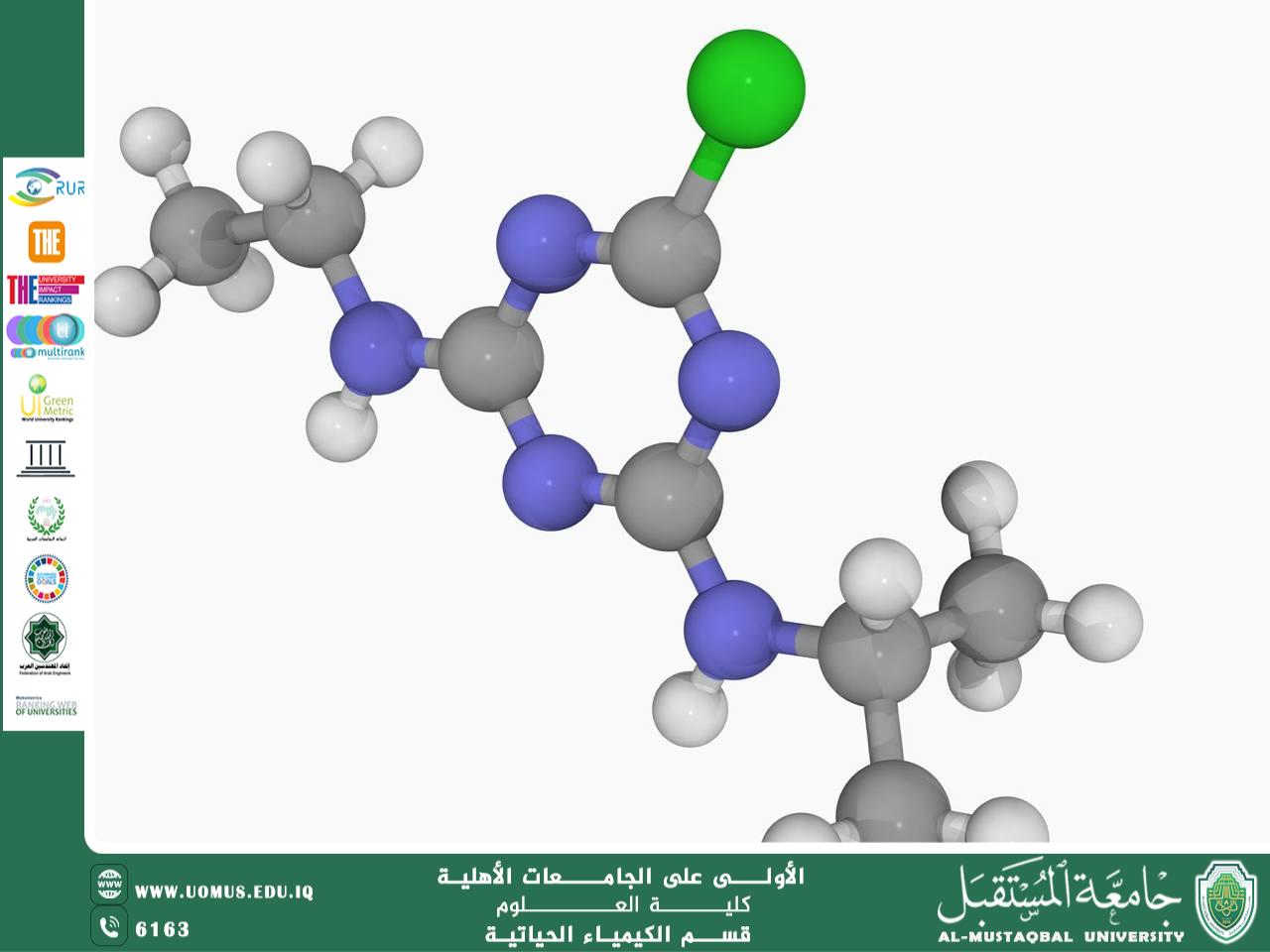
Enhancing Biofuel Production from Waste Using Computational Chemistry Prepared by: Lecturer M.Sc. Zahraa Hazem Hamed Department of Chemistry – College of Science – Al-Mustaqbal University
Biofuel is an alternative energy source that contributes to reducing reliance on fossil fuels and combating climate change. Recent research focuses on improving biofuel production from organic waste using advanced techniques such as computational chemistry and machine learning. These technologies provide a deep understanding of chemical and biological processes, enabling more efficient conversion of waste into biofuel. This article discusses how these advanced tools can enhance production and provide policy insights to support this initiative.
1. Computational Chemistry: Enhancing Understanding and Innovation
Computational chemistry is a powerful tool for studying chemical processes at the molecular level. Using computer simulations, scientists can analyze reactions of various materials that can be converted into biofuel. For example, the interactions of organic waste compounds can be simulated and analyzed to identify the most effective materials and steps for efficient biofuel production.
Computational chemistry plays a key role in optimizing catalytic processes used to convert organic matter into ethanol or biodiesel. By simulating chemical reactions, researchers can determine optimal operating conditions, such as temperature and pressure, and identify the most suitable catalysts, which reduces production costs and increases yields.
2. Machine Learning: Accelerating Development and Optimization
Machine learning techniques play an important role in improving biofuel production from waste. By analyzing large volumes of data, machine learning can predict the most efficient processes and the most effective materials for converting waste into fuel. Deep learning models can analyze available environmental and industrial data, guiding researchers toward innovative solutions.
For instance, machine learning algorithms can process data from biofuel conversion experiments and identify patterns that lead to optimal results. This reduces the time and cost associated with experimental trials and accelerates the development of production technologies.
3. Policy Insights: Supporting the Transition to Biofuels
Advances in biofuel production technologies require strong support from government policies and the private sector. While technology offers enormous potential, successful implementation requires significant investments in research and development, alongside legislation that promotes environmental sustainability.
Policies should focus on incentivizing innovation by providing financial support for projects that utilize waste for biofuel production. Environmental standards should also be established to ensure industrial processes do not harm the environment and that the waste used is safely converted into fuel.
Support should also be given to education and training programs focusing on computational chemistry and machine learning, enhancing the skills of professionals in this field. Additionally, legislation should encourage the use of biofuels as alternatives to fossil fuels through marketing strategies and incentives for companies adopting these sustainable solutions.
Conclusion
Enhancing biofuel production from waste using computational chemistry and machine learning is a crucial step toward environmental and economic sustainability. By integrating these technologies with effective policy support, the world can improve its capacity to convert waste into biofuel, reduce negative environmental impacts, and contribute to addressing global energy and climate change challenges.
Al-Mustaqbal University – Ranked First among Iraqi Private Universities