The Effect of Carbon Laser Therapy on Skin Radiance and Reduction of Pigmentation
Introduction
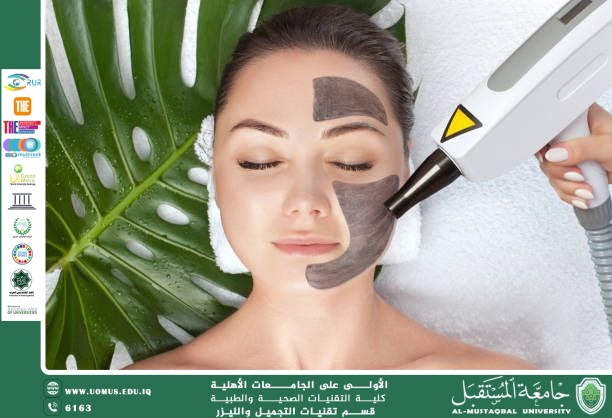
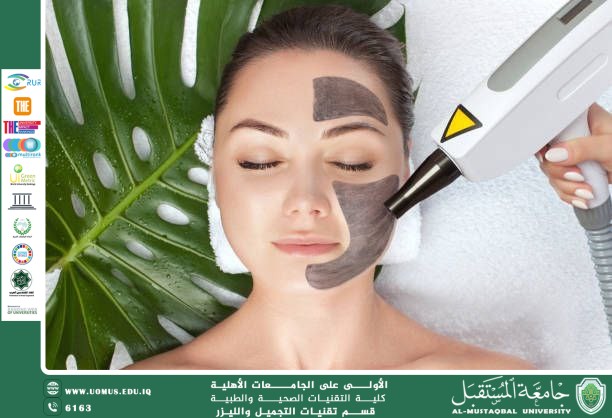
Carbon laser therapy is considered one of the most advanced aesthetic techniques that has become widely used in dermatology clinics and skincare centers due to its effective results in improving skin appearance and reducing pigmentation and blemishes caused by sun exposure or acne. This technique is based on applying a carbon-based mask to the skin, followed by the application of laser energy to stimulate and renew skin cells.
---
Discussion
Concept of Carbon Laser Therapy:
Carbon laser therapy is a non-invasive cosmetic procedure that involves applying a mask containing activated carbon particles onto the skin, followed by directing laser beams of a specific wavelength over the treated area. The carbon particles absorb the laser energy, which leads to deep cleansing of the pores, removal of dead skin cells, reduction of excessive sebum production, and stimulation of collagen and elastin synthesis. These processes contribute significantly to improving skin radiance and minimizing hyperpigmentation.
The procedure effectively exfoliates the skin and purifies the pores, resulting in a smoother texture and brighter complexion. Moreover, the thermal energy generated by the laser promotes the production of collagen and elastin—two essential proteins responsible for skin firmness and reduction of fine lines.
Clinical studies have demonstrated that repeated treatment sessions enhance overall skin tone and reduce the appearance of pigmentation with minimal downtime, making carbon laser therapy a preferred option for individuals seeking effective, non-surgical solutions for skin rejuvenation.
---
Conclusion
Carbon laser therapy represents a safe and efficient method for enhancing skin radiance and promoting cellular regeneration, with limited side effects and rapid visible results. It is suitable for various skin types, which explains its growing popularity in cosmetic practice. Nevertheless, consultation with a qualified dermatologist remains essential to determine the appropriate treatment plan and number of sessions for each individual case to ensure optimal outcomes.
Al _ Mustaqbal University, the first university in Iraq