Nursing Interventions for Common Dog Bites: Wound Care and Rabies Prevention
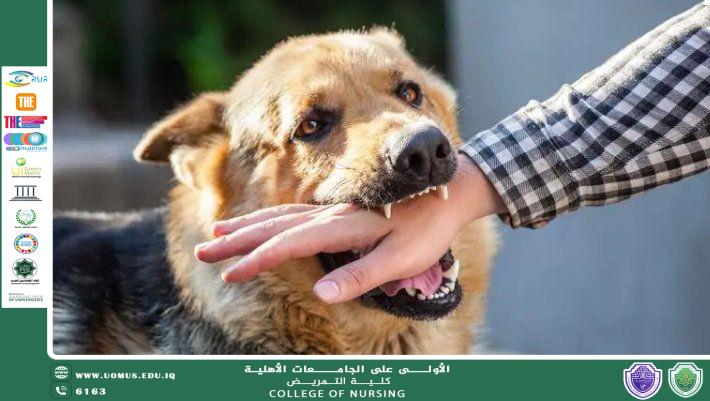
Dog bites are common injuries that require immediate and systematic nursing intervention. While rabies is a viral disease that is nearly 100% fatal if untreated, it is entirely preventable through rapid action. Nurses play a pivotal role in early intervention and proper care—including wound assessment, cleaning, and implementing Post-Exposure Prophylaxis (PEP)—which reduces the risks of bacterial infection, tetanus, the virus, and other complications.
________________________________________
I. Initial Assessment
Nursing intervention begins with a comprehensive and rapid assessment, which includes:
• Determining the type, location, and depth of the bite, while noting any bleeding or tissue tearing.
• Assessing vital signs to identify any indicators of shock or infection.
• Gathering accurate information about the animal, such as its health status and whether it is vaccinated against rabies. This assessment is a fundamental step in determining the level of risk and guiding the care and prevention plan.
II. Wound Care: The Essential First Steps
Wound care begins immediately after the incident to prevent contamination and complications.
• Immediate Washing: Wash the wound under clean running water with soap for at least 15 minutes to remove saliva and impurities. This reduces the risk of viral transmission by up to 50%.
• Disinfection and Hemostasis: Use antiseptics such as Povidone-iodine or 70% alcohol. Apply gentle pressure with a sterile bandage to stop bleeding, avoiding heavy pressure that might push the virus deeper.
• Monitoring and Referral: Monitor for signs of inflammation (redness, swelling, discharge) and cover the wound with a moist, non-adherent dressing.
• Medical Referral: If the wound is deep or located on the face/hands, refer the patient to a physician for suturing or abscess drainage, and for the prescription of antibiotics such as Amoxicillin-clavulanate. Care continues with daily dressing changes and monitoring for 7–10 days.
III. Pain Management and Vital Monitoring
• Pain Relief: Nurses assess pain intensity using the Visual Analogue Scale (VAS 0–10) and administer analgesics like Paracetamol or Ibuprofen. Aspirin should be avoided to prevent bleeding.
• Vital Signs: Monitor vital signs (blood pressure, pulse, temperature, respiration) every 4 hours initially to detect fever or septic shock. In severe cases with decreased consciousness, the ABC (Airway, Breathing, Circulation) protocol is applied.
IV. Rabies Prevention: PEP Protocol
Since rabies is transmitted through saliva, PEP begins immediately if the dog is suspect or wild:
• Wound Washing: Remains the top priority.
• Human Rabies Immune Globulin (HRIG): A dose of 20 units/kg is administered in and around the wound on the first day for high-risk cases.
• Vaccination Series: Four doses of cell-culture vaccine (HDCV or PCECV) are given on days 0, 3, 7, and 14. A fifth dose on day 28 is required for high-risk groups.
• Tetanus Vaccine: A booster dose is given if more than 5 years have passed since the last vaccination. Nurses follow up with patients weekly to complete the series and monitor for side effects like injection site pain.
V. Psychological Support, Education, and Documentation
The nursing role also extends to:
• Support: Reassuring the patient and preparing them to cope with the pain and fear resulting from the bite.
• Education: Educating the patient and family on proper home care, wound monitoring, and future bite prevention, especially for children.
• Documentation: Accurately recording all case details in medical records to ensure continuity of care and following up after discharge to ensure proper healing.
________________________________________
Conclusion
Nursing interventions save thousands of lives annually through rapid and systematic care. In Iraq, where hundreds of cases are recorded every year, nurses must adhere to Ministry of Health protocols to ensure effectiveness. Prevention starts with awareness—do not hesitate to seek medical help immediately
Al-Mustaqbal University, the first university in Iraq.
الهدف الثالث من اهداف التنمية المستدامة -الصحة الجيدة والرفاه
The Third Goal of the Sustainable Development Goals – Good Health and Well-being