**Colors in the Arts: The Psychological and Aesthetic Function of Color** *By Dean Prof. Dr. Mazen Hadi Kazar*
Colors are among the most important visual elements in the arts in all its forms, as they possess a unique ability to influence the viewer, convey meanings, and build psychological and aesthetic connotations. The use of color has accompanied human artistic development since the earliest drawings on cave walls, up to the most complex contemporary experiences in plastic arts, design, and digital media.
The Concept of Color and Its Dimensions
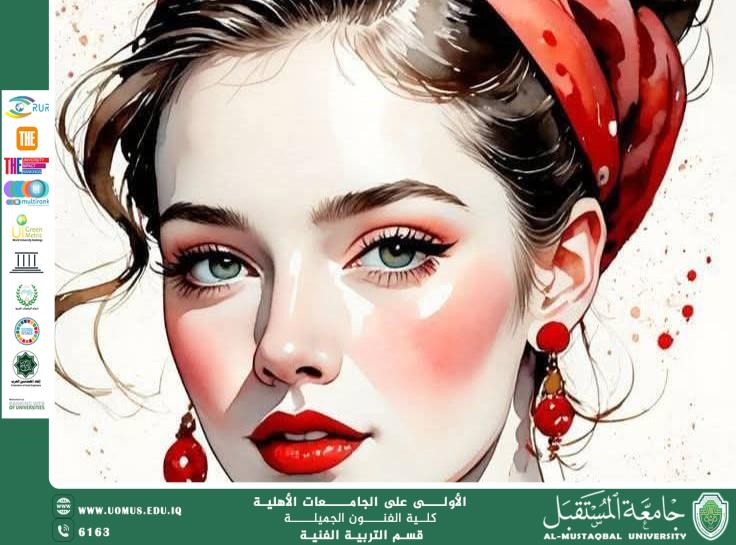
Color is a physical phenomenon resulting from the reflection of light on surfaces, but in art, it goes beyond being a scientific phenomenon to become an expressive language carrying cultural and psychological symbols. Each color has its own emotional energy: red is associated with movement and passion, blue with calm and depth, yellow with brightness and vitality, while black symbolizes mystery or sorrow, and white represents purity and beginnings.
Color in the History of the Arts
The use of color has evolved significantly throughout art history. In ancient art, colors were used symbolically and religiously, as in Egyptian and Mesopotamian art. In classical eras, artists sought harmony and color balance to serve realistic forms. During the Renaissance, color became a fundamental tool to highlight depth, light, and shadow.
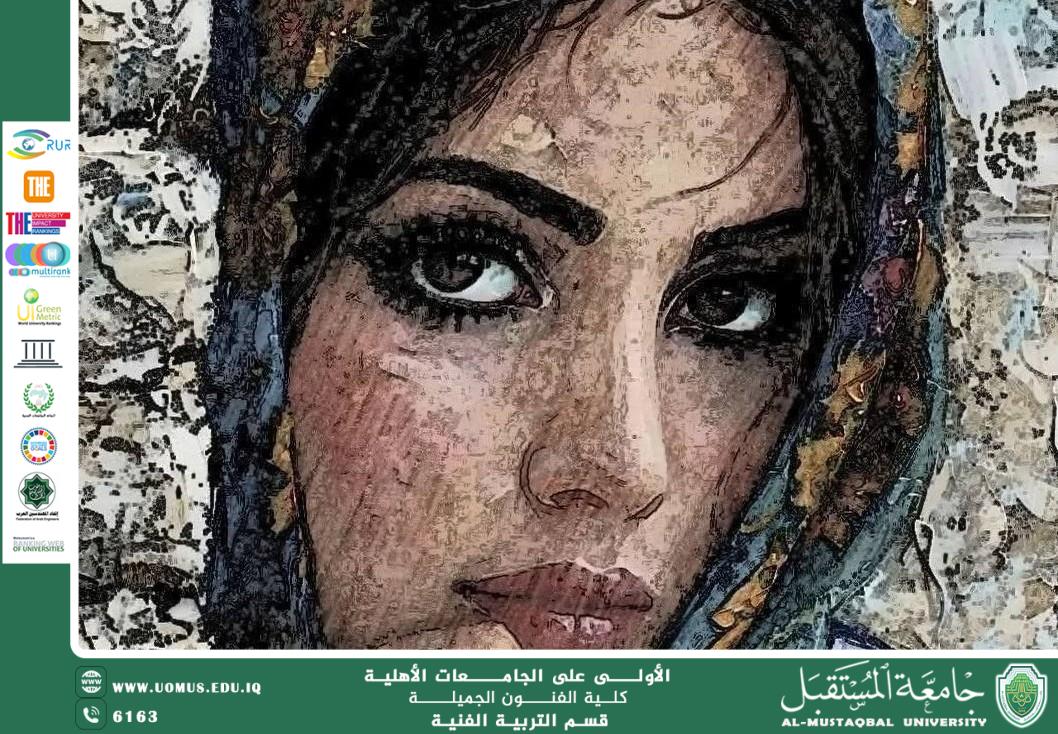
In subsequent centuries, particularly with the emergence of Impressionism, color was freed from the constraints of reality and became an expression of immediate sensation and personal impression. Modern and contemporary movements later granted color greater independence, making it an autonomous element, as seen in Abstract and Expressionist art.
The Psychological and Aesthetic Function of Color
Color plays a central role in its psychological impact on the viewer, as it can evoke feelings of joy or sadness, calmness or tension. It also guides the eye within the artwork, creates visual rhythm, and achieves balance or contrast. Therefore, an artist’s choice of colors is not arbitrary but follows a carefully considered intellectual and aesthetic vision.
Color and Cultural Identity
Colors are closely linked to environment and culture, as each society has its own color symbols reflected in its traditional and contemporary art. This connection demonstrates that color is not merely an aesthetic element but also a carrier of identity and collective memory.
The Psychological and Aesthetic Function of Color
It can be said that color forms the essence of the artistic experience and is one of the most important keys to understanding an artwork. It is a means of expression, a tool of communication, and a bridge connecting the artist and the viewer. Through its historical development and diverse connotations, color remains a living and renewing element in the arts, reflecting the evolution of human thought and aesthetic sensitivity across the ages....Almustaqbal University, The First University in Iraq