Article titled: “Art Festivals and Their Impact on Students’ Awareness” By: Dean Prof. Dr. Mazen Hadi Kazar
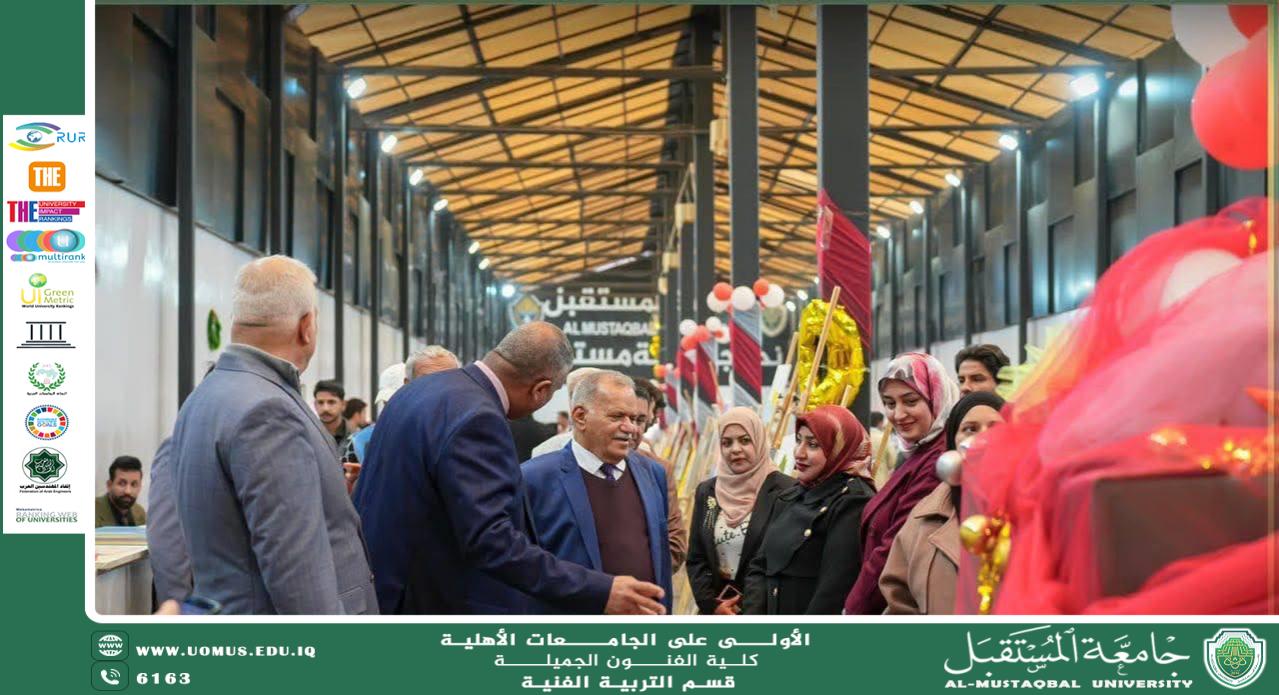
Art festivals are considered among the most prominent cultural activities that contribute to building societal awareness, particularly students’ awareness, due to the intellectual, aesthetic, and human values they embody—values that go beyond mere entertainment to broader horizons of education and cultural enrichment. Today’s student is no longer satisfied with academic knowledge confined to lecture halls; rather, they need creative spaces that open new horizons for critical thinking and foster a sense of belonging and innovation. This is precisely what art festivals, in their various forms, achieve.
Art festivals provide an interactive environment that brings together visual arts, theater, music, cinema, and literature, thereby contributing to the development of students’ aesthetic sensibility and enhancing their ability to appreciate art and understand its symbols and meanings. This appreciation is not limited to the aesthetic dimension alone; it extends to intellectual and cultural dimensions that strengthen students’ awareness of themselves, their society, and the issues of their time. Art, as a universal human language, has the power to convey profound messages in an influential manner, reinforcing positive values such as tolerance, dialogue, and respect for diversity.
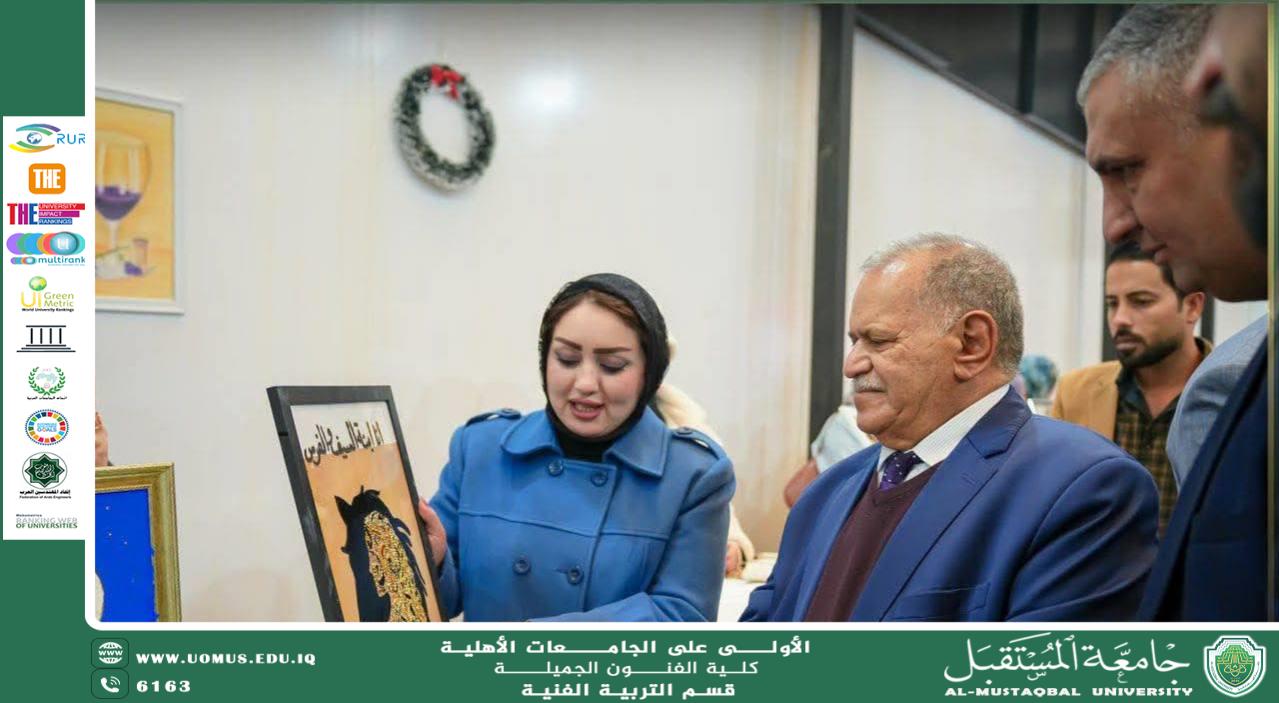
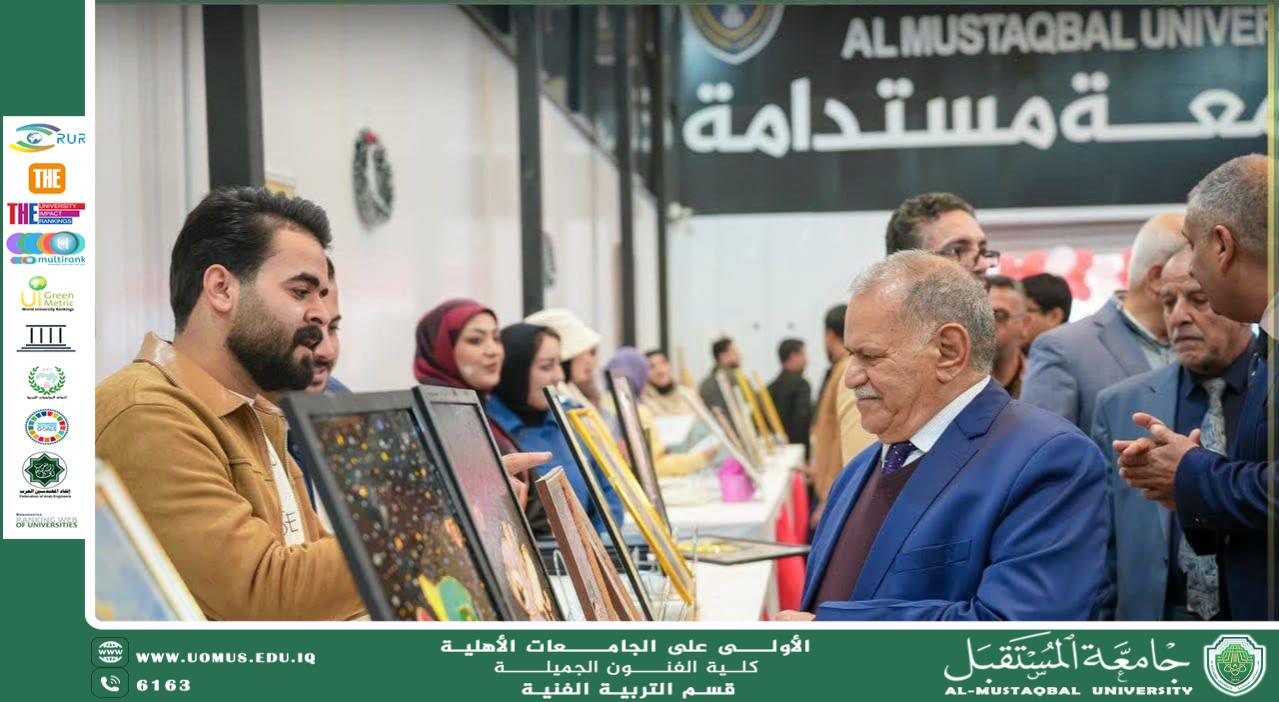
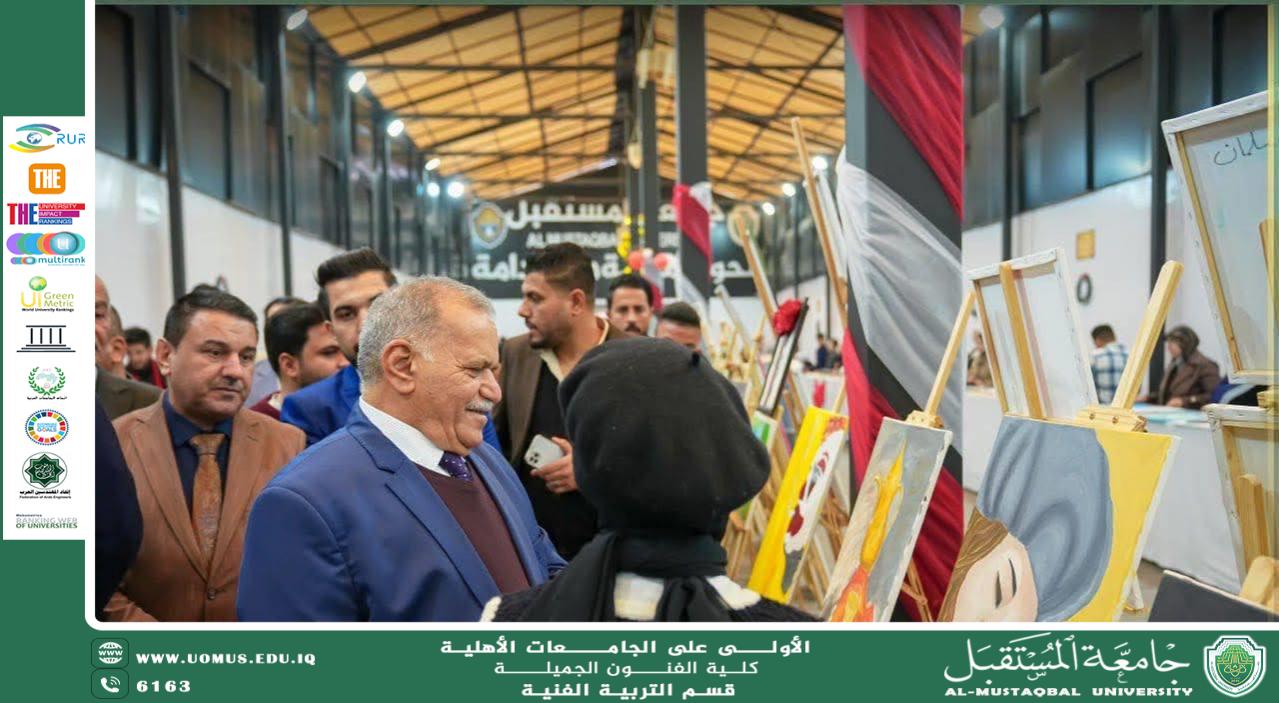
Moreover, art festivals play a significant role in refining students’ personalities and building their self-confidence, especially when they are given opportunities for active participation—whether through theatrical performances, visual art exhibitions, or musical presentations. Such participation develops communication and teamwork skills, enhances a sense of responsibility and discipline, and stimulates creativity and the pursuit of excellence. Thus, festivals transform from mere entertainment activities into educational tools that contribute to preparing an aware and cultured generation.
The awareness-raising role of art festivals in addressing social and humanitarian issues of concern to students—such as identity, the environment, peace, and human rights—cannot be overlooked. Artistic performances presented within these festivals often reflect society’s concerns and aspirations, inviting students to think critically, question, and adopt conscious stances toward their surrounding realities. In this way, art becomes an effective means of promoting critical awareness, breaking intellectual stagnation, and confronting negative ideas.
The importance of art festivals also lies in their ability to connect students with their country’s cultural and civilizational heritage by reviving traditional arts and presenting them in a contemporary spirit. This connection contributes to strengthening national identity, deepening students’ sense of belonging, and instilling appreciation for heritage as a fundamental pillar for building the future. In addition, these events provide opportunities for cultural exchange and openness to diverse artistic experiences, broadening students’ horizons and fostering a culture of dialogue and acceptance of others.
In light of the above, it can be said that art festivals represent an important component of the educational process and an active partner in building comprehensive students’ awareness. Hence, the need arises to support and activate these festivals within educational institutions and to plan them systematically in a way that ensures the achievement of their educational and cultural objectives. Through art, minds are built, souls are refined, and the awareness of generations capable of contributing to society’s advancement and progress is shaped....Almustaqbal University, The First University in Iraq
.