Intelligent Medical Systems and Data-Driven Medical Decision-Making (M. M. Aya Jamal Hidi)
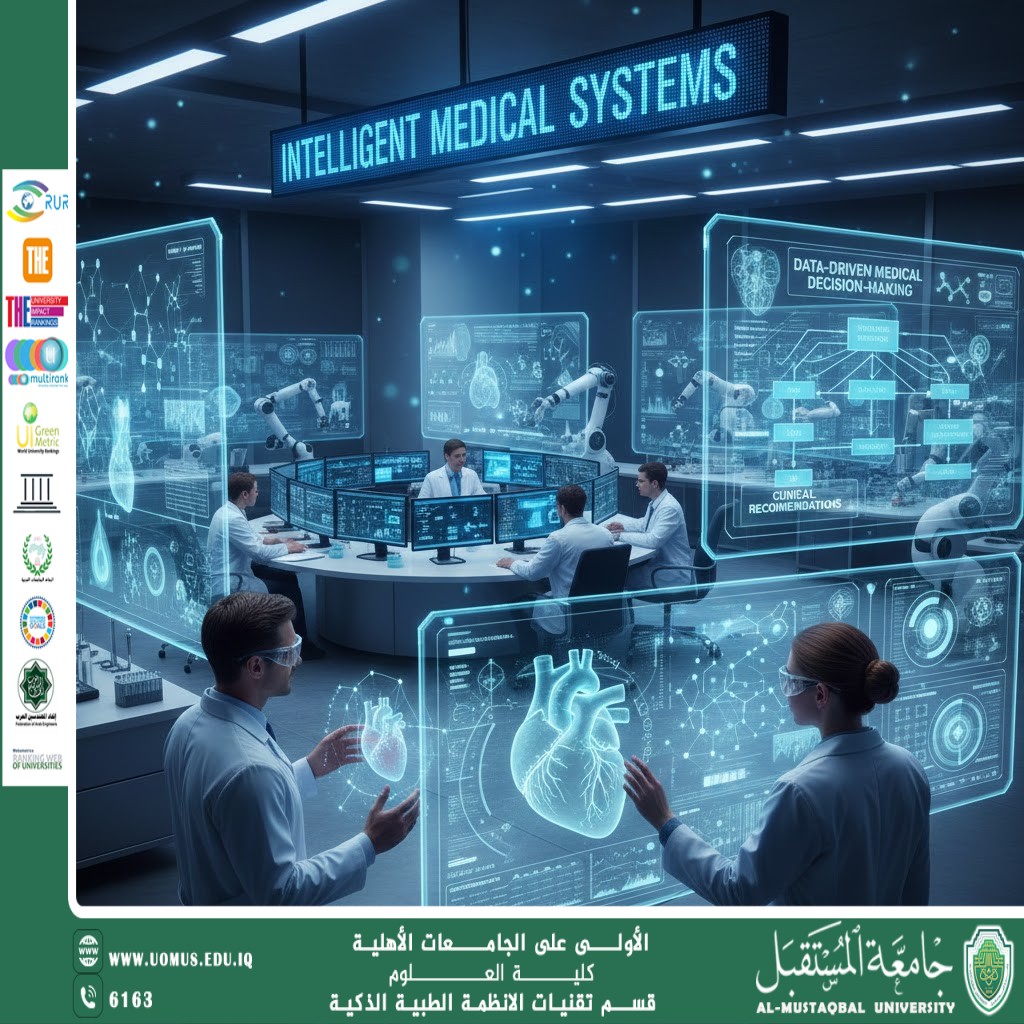
The healthcare sector in the digital age is witnessing a profound transformation in the nature of medical decision-making. Decisions are no longer based solely on individual clinical experience or medical intuition; modern medical decisions are now the result of integrating clinical knowledge with systematic analysis of health data. In this context, intelligent medical systems have emerged as a pivotal tool in supporting and enabling data-driven medical decision-making, contributing to improved quality of care and enhanced efficiency of medical services.
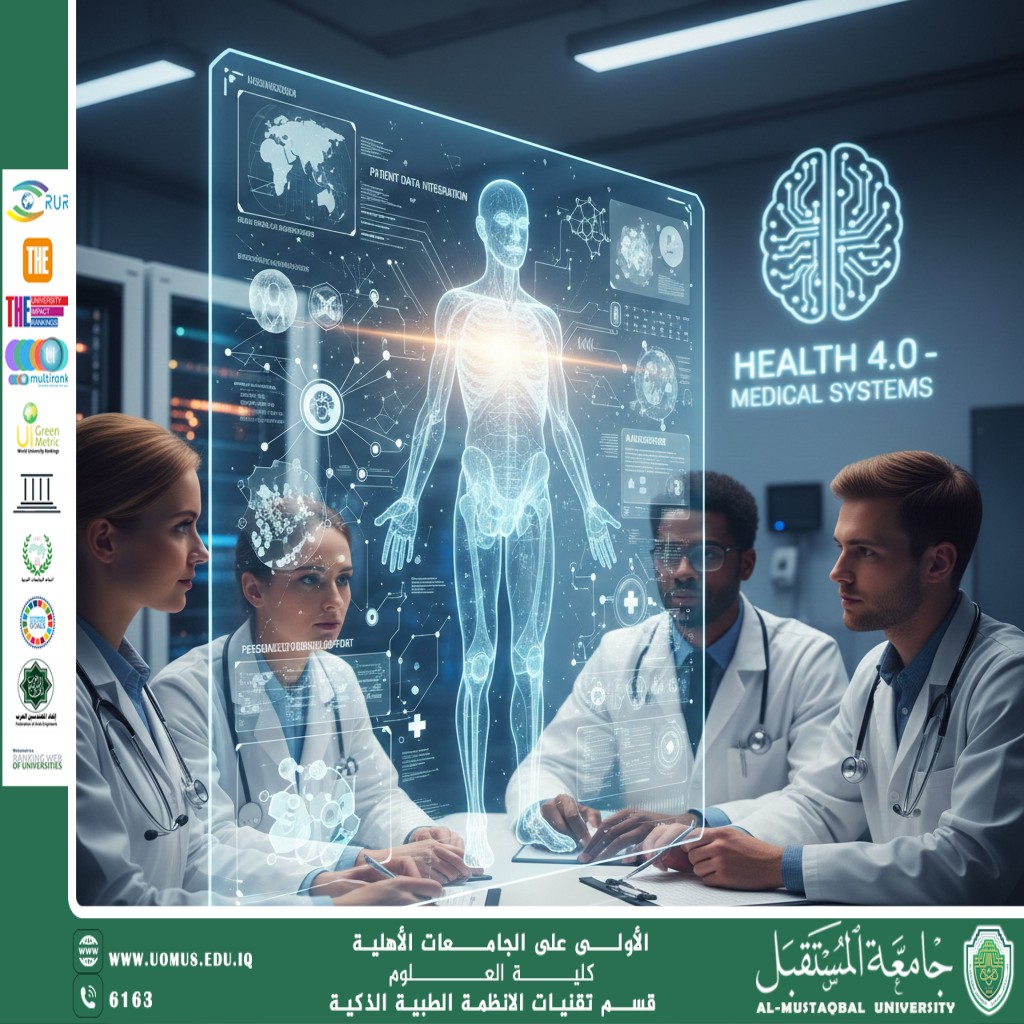
Intelligent medical systems rely on advanced technologies in artificial intelligence, machine learning, and big data analytics, enabling them to process vast amounts of diverse medical information, such as electronic health records, medical images, laboratory test results, and vital signs. This integration of data sources allows for building a comprehensive and accurate picture of a patient’s health status, providing a solid scientific foundation for well-informed medical decisions.
In the diagnostic process, intelligent medical systems play a crucial role in supporting physicians by analyzing symptoms and clinical data and comparing them with documented disease patterns. This enhances diagnostic accuracy and facilitates early detection of diseases, particularly complex or rare conditions. These systems also help reduce variability in medical decisions and promote the adoption of evidence-based clinical practices.
In treatment planning, intelligent medical systems assist in proposing personalized treatment plans based on each patient’s data, taking into account medical history, previous treatment responses, genetic factors, and lifestyle. In this way, these systems support the direction of personalized medicine, aiming to improve therapeutic outcomes while minimizing complications and medication errors.
Data-driven medical decision-making extends beyond diagnosis and treatment to include healthcare resource management and strategic planning within medical institutions. Intelligent medical systems help predict healthcare needs, optimize resource allocation, and evaluate clinical performance, positively impacting the efficiency and sustainability of healthcare systems.
In academic and research contexts, intelligent medical systems provide an advanced analytical platform that contributes to the development of evidence-based medical decision-making and strengthens the link between scientific research and practical application. They also allow students and healthcare professionals to train in data analysis and decision-making within educational environments that simulate real clinical settings, representing a crucial investment in building the future capabilities of the healthcare workforce.
Despite these advantages, data-driven medical decision-making is associated with ethical and technical challenges, including protecting data privacy, ensuring algorithm reliability, and maintaining the physician’s central role in final decision-making. This highlights the importance of establishing clear regulatory and ethical frameworks to ensure the responsible and balanced use of intelligent medical systems.
In conclusion, intelligent medical systems form a fundamental pillar in data-driven medical decision-making, facilitating the transition from traditional medicine to a more precise, objective, and efficient form of care. By integrating data, technology, and clinical expertise, these systems have the potential to shape a future healthcare landscape grounded in knowledge and innovation, serving humanity and enhancing quality of life.