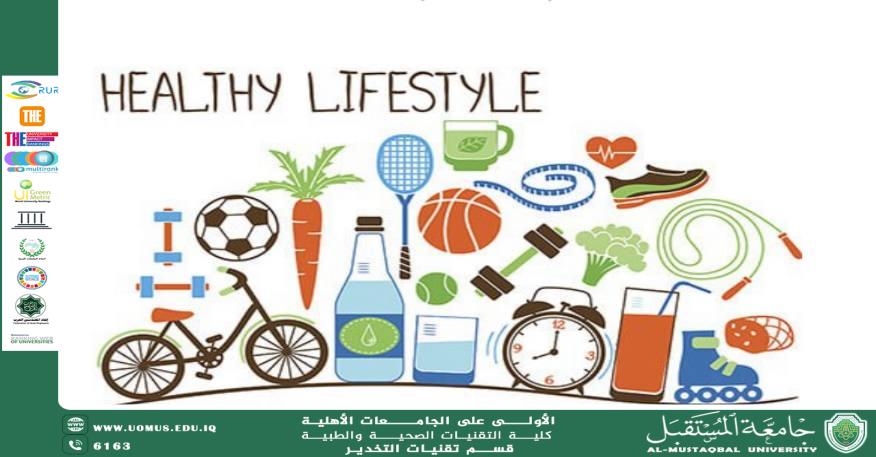

Healthy Lifestyle
Lifestyle is the way of living adopted by individuals, groups, and nations. It is shaped by specific geographical, economic, political, cultural, and religious contexts. Lifestyle refers to the characteristics of the inhabitants of a particular region at a specific time and place. It includes daily behaviors and functions of individuals in work, activities, recreation, and diet.
In recent decades, lifestyle has attracted increasing attention from researchers as an important factor affecting health. According to the World Health Organization (WHO), 60% of factors related to individual health and quality of life are associated with lifestyle. Millions of people follow an unhealthy lifestyle, which exposes them to illness, disability, and even death. Problems such as metabolic diseases, joint and skeletal disorders, cardiovascular diseases, hypertension, overweight, violence, and others can result from an unhealthy lifestyle. Therefore, the relationship between lifestyle and health should be given serious consideration.
Today, major changes have occurred in the lives of people worldwide. Malnutrition, unhealthy diets, smoking, alcohol consumption, drug abuse, stress, and similar behaviors represent unhealthy lifestyles that have become dominant. In addition, people face new challenges; for example, the emergence of new information technology such as the internet and virtual communication networks has created major challenges that threaten both physical and mental health.
Ways to Maintain a Healthy Lifestyle
1. Measure and Monitor Your Weight
Tracking your body weight daily or weekly helps you recognize weight gain or loss.
2. Limit Unhealthy Foods and Eat Healthy Meals
Do not skip breakfast, and choose nutritious meals rich in protein and fiber and low in fat and sugar.
3. Take Multivitamin Supplements
To ensure adequate nutrient levels, taking a daily multivitamin may be beneficial, especially when fruits and vegetables are limited. Many micronutrients are essential for the immune system, including vitamins A, B6, B12, C, D, and E, as well as zinc, iron, copper, selenium, and magnesium. However, excessive doses can be harmful.
4. Drink Water and Stay Hydrated; Limit Sugary Beverages
Drinking water regularly is essential for health, but there is no evidence that frequent water intake (e.g., every 15 minutes) prevents viral infections.
5. Exercise Regularly and Stay Physically Active
Home workouts are useful, but walking or running outdoors is also beneficial. Be aware of local regulations or restrictions.
6. Reduce Sitting and Screen Time
Exercise cannot fully counteract prolonged sitting. Extended sedentary behavior increases the risk of diabetes, heart disease, and stroke. Taking short breaks to walk during the day is recommended.
7. Get Enough Quality Sleep
Sleep quality and duration are strongly linked to immune function. Aim for seven to eight hours of sleep each night.
8. Limit Alcohol Consumption and Stay Sober
Alcohol does not protect against coronavirus infection, and its calories accumulate quickly. Alcohol should always be consumed in moderation.
9. Manage Your Emotions
Feelings of fear, anxiety, sadness, and uncertainty are common during pandemics and stressful situations.
10. Use Apps to Track Activity, Sleep, and Heart Rate
Dr. Rania Abd Elmohsen Abo Elnour
Al-Mustaqbal University
The First University in Iraq