
Benefits of Beneficial Bacteria to the Human Body
Introduction
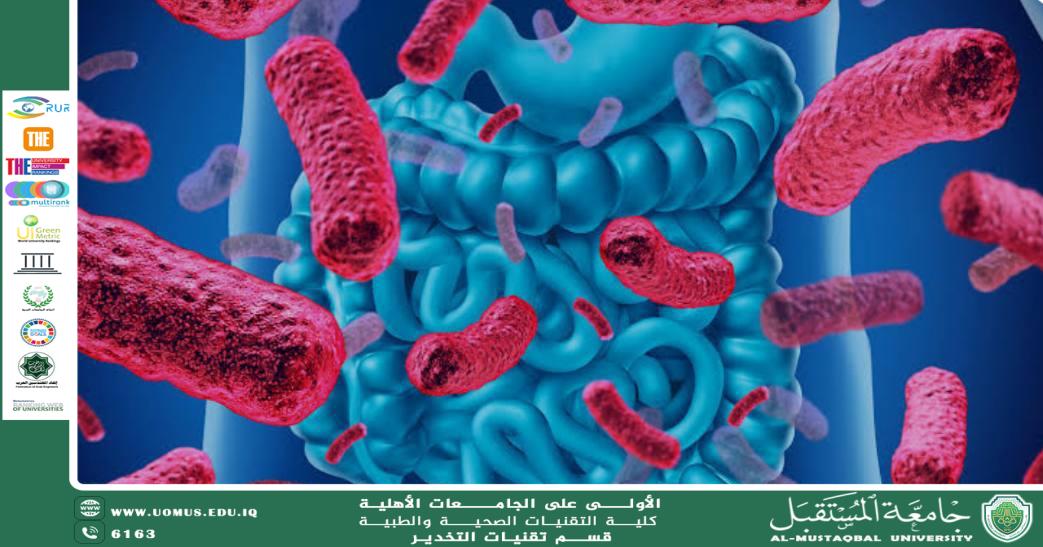
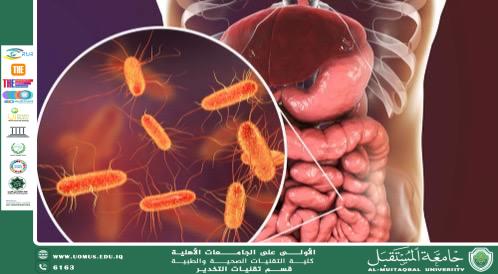
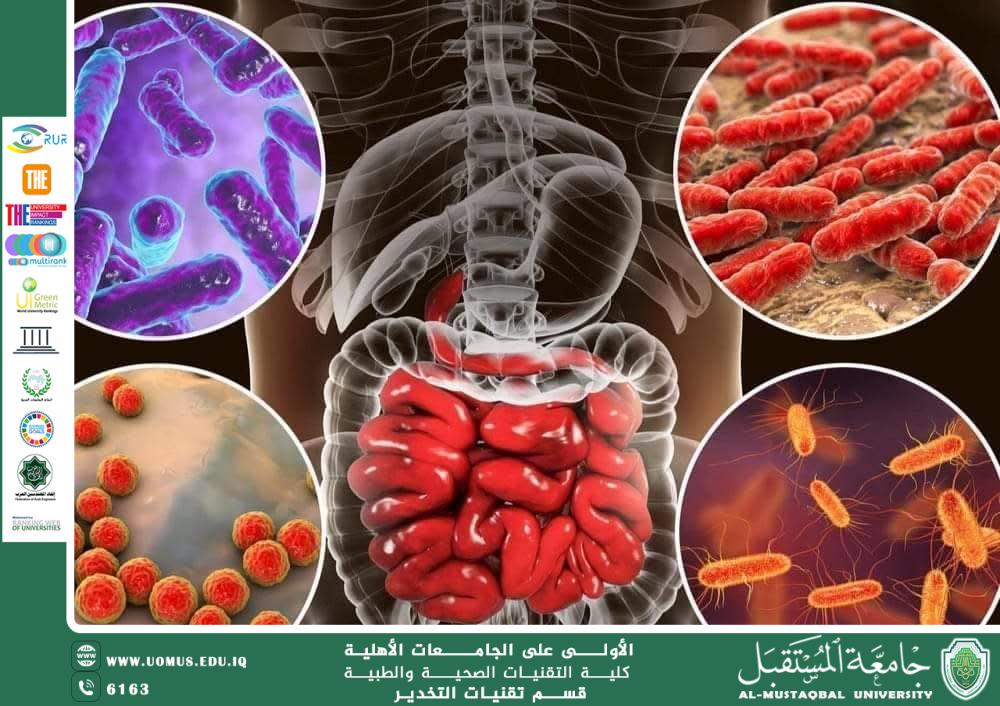
Beneficial bacteria play an essential and important role in maintaining human health. They are considered a fundamental part of the body’s internal ecosystem, particularly within the digestive system. Maintaining a proper balance of these bacteria through good nutrition and a healthy lifestyle is crucial, as this balance supports many vital bodily functions and helps protect against diseases.
Benefits of Beneficial Bacteria
1. Improving Digestion
Beneficial bacteria help break down food and enhance the absorption of nutrients, which facilitates the digestive process and reduces digestive disorders.
2. Maintaining Gut Flora Balance
They help regulate the balance of bacteria in the intestines, preventing the growth of harmful bacteria and maintaining a healthy gut environment.
3. Enhancing the Immune System
Beneficial bacteria strengthen the immune system by producing compounds that help the body fight infections and diseases.
4. Vitamin Production
Some beneficial bacteria produce vitamins such as vitamin K and several B vitamins, which contribute to overall health and essential bodily functions.
5. Reducing Inflammation
They help reduce inflammation in the body, which contributes to the prevention of certain chronic diseases.
6. Improving Mental Health
Research suggests a strong connection between gut health and mental health. Beneficial bacteria may help improve mood and reduce stress and anxiety.
7. Helping with Weight Control
Beneficial bacteria may play a role in weight regulation by influencing metabolism and appetite, thereby helping to prevent obesity.
Conclusion
In conclusion, beneficial bacteria are a vital component of overall health. Supporting their balance through a healthy diet rich in fiber and fermented foods can positively impact both physical and mental well-being.
Fatima Make Noor
Al-Mustaqbal University
The First University in Iraq