The Straight Line and Its Structural and Aesthetic Role in Interior Design
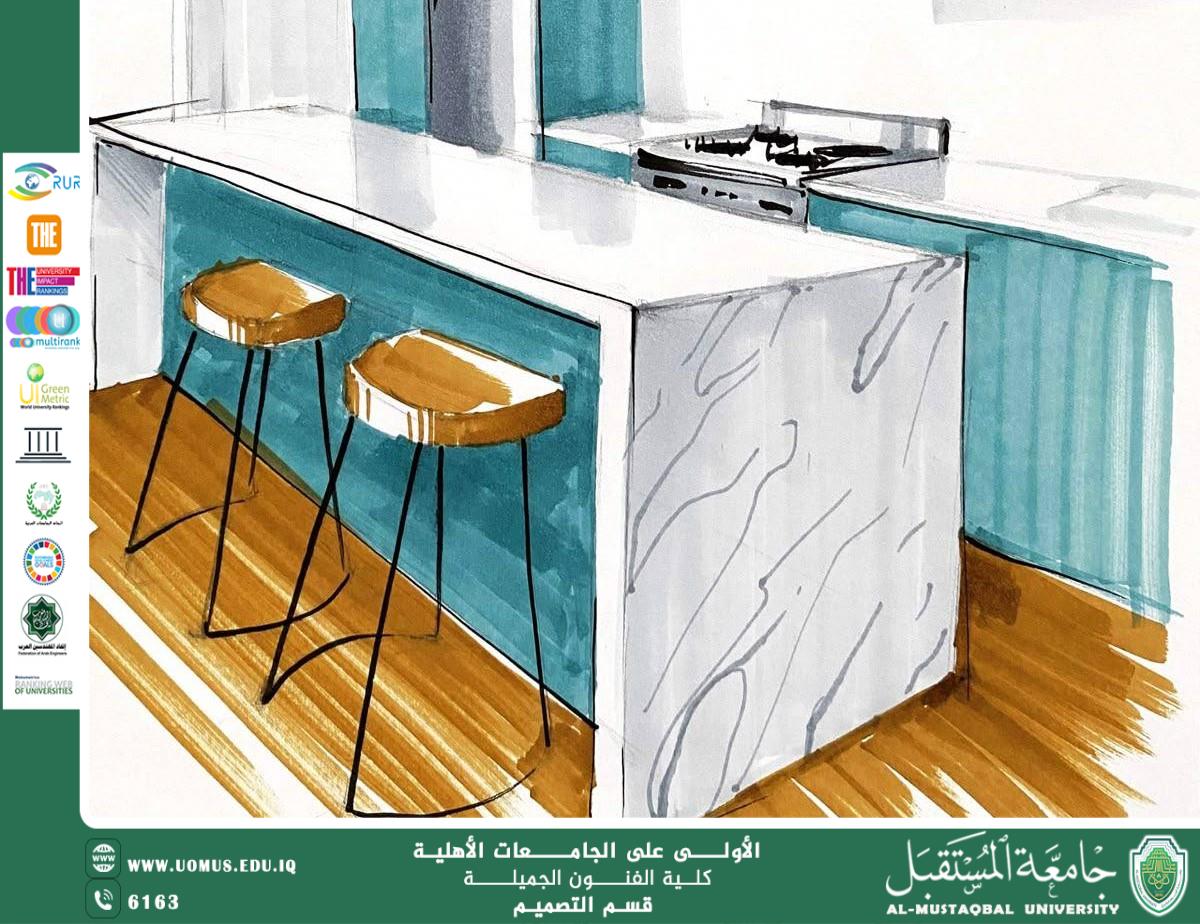
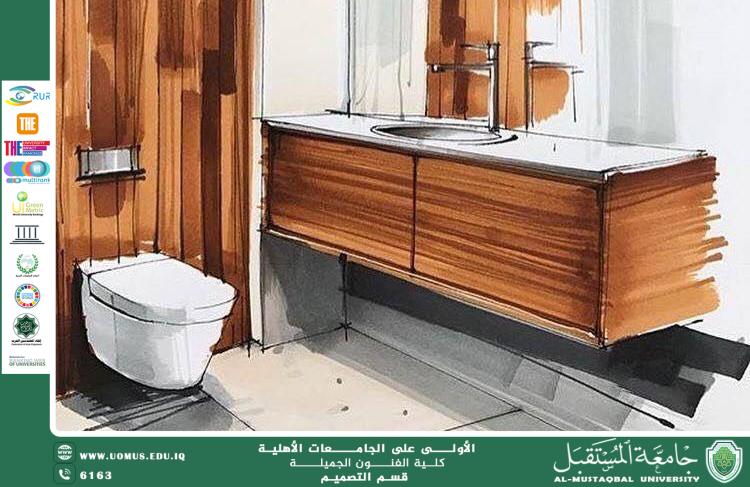
The straight line is considered one of the most fundamental visual elements in interior design due to its strong ability to organize space and highlight visual relationships among various components. It is used as a structural element that contributes to achieving order and stability within architectural spaces.
The straight line is closely associated with modern and contemporary design trends, as it reflects values of simplicity, clarity, and geometric precision. It also enhances the sense of order and visual harmony, particularly in functional spaces such as offices and educational institutions.
Vertical straight lines play an important role in emphasizing height and conveying strength and stability, while horizontal lines contribute to a sense of spaciousness, calmness, and psychological comfort. Diagonal lines, when used thoughtfully, introduce visual movement without disrupting the overall balance of the space.
From a functional perspective, straight lines help guide user movement within interior spaces by defining visual paths and organizing the distribution of furniture and architectural elements. They also contribute to clear spatial divisions and reduce visual clutter.
The use of straight lines is a key factor in expressing the aesthetic identity of interior design, especially when combined with modern materials such as polished concrete, glass, and metal. This approach strengthens the relationship between form and function, a core principle of contemporary design thinking.
Therefore, the straight line is not merely a visual element, but an effective design tool that influences the aesthetic, psychological, and functional aspects of interior spaces, making it a central component in creating balanced and sustainable interior environments.
Achieved Sustainable Development Goal:
This concept contributes to achieving SDG 11: Sustainable Cities and Communities by promoting organized, functional, and human-centered interior environments that support urban sustainability and quality of life. It also aligns with SDG 4: Quality Education when applied to efficiently designed educational spaces.
Almustaqbal University, The First University in Iraq.