Texture and Its Sensory and Aesthetic Role in Shaping Interior Spaces
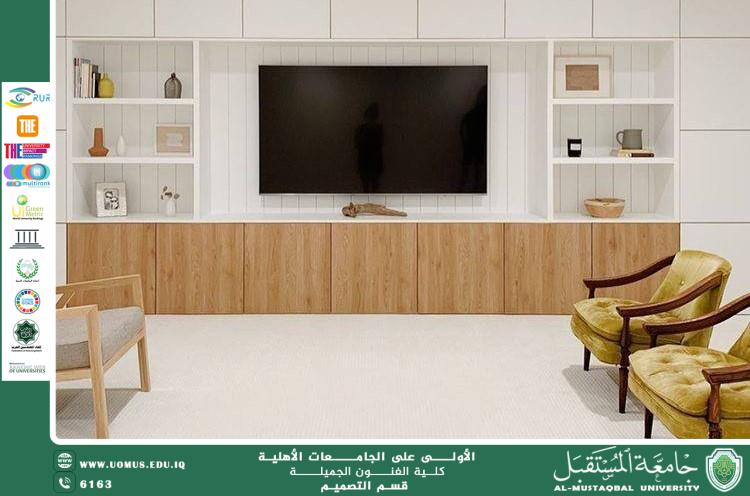
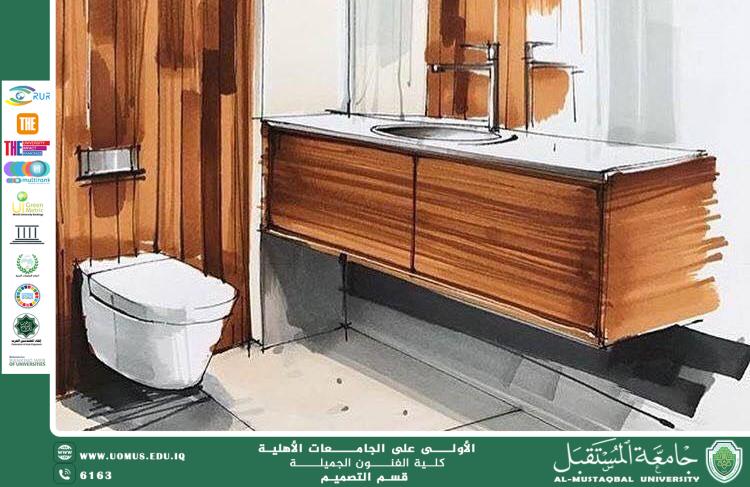
Texture is considered one of the fundamental design elements in interior design due to its direct impact on how users perceive space both visually and sensorially. Texture refers to the surface qualities of materials, whether tactile textures perceived through direct touch or visual textures perceived through sight alone.
Texture contributes to enhancing visual depth within interior spaces by breaking the monotony of smooth or uniform surfaces and adding visual variety that enriches the overall design. It also plays a significant role in achieving balance among different elements, particularly when thoughtfully combining smooth and rough textures.
In contemporary interior design, texture is used as an expressive tool that reflects the identity and function of a space. The nature of textures used in residential spaces differs from those in commercial or cultural environments. Soft textures promote feelings of comfort and warmth, while rough textures convey strength and an industrial character.
Texture is closely linked to the materials used in interior design, such as wood, stone, fabrics, and metals, all of which contribute to creating a comprehensive sensory experience for the user. The perception of texture is also influenced by lighting, as directed lighting can highlight surface details and intensify their visual impact.
On a psychological level, texture affects users’ emotional responses to space, evoking feelings of comfort or tension depending on its nature and distribution. It also helps guide movement within the space and emphasize areas of visual interest.
From a functional perspective, a well-considered variety of textures helps define different uses within a single space, enhancing design efficiency and clarity. Therefore, texture is a central element in interior design, extending beyond aesthetic value to become an effective means of creating balanced interior environments that are human-centered, functional, and visually appealing.
Achieved Sustainable Development Goal:
This concept contributes to SDG 11: Sustainable Cities and Communities by promoting healthy, comfortable, and human-centered interior spaces that enhance quality of life. It also aligns with SDG 4: Quality Education when applied in the design of learning environments that support well-being and effective learning.
Almustaqbal University, The First University in Iraq.