Linear Rhythm and Its Impact on Organizing Interior Spaces
Rhythm is one of the fundamental principles of interior design and refers to the organized repetition of visual elements to create continuity and movement within a space. Linear rhythm, in particular, serves as an effective tool for linking different parts of a design into a cohesive visual system.
Linear rhythm contributes to guiding the viewer’s eye throughout the interior space by creating an organized visual sequence that facilitates the perception of spatial relationships between architectural and furnishing elements. It also helps reduce visual rigidity resulting from random or unplanned use of lines.
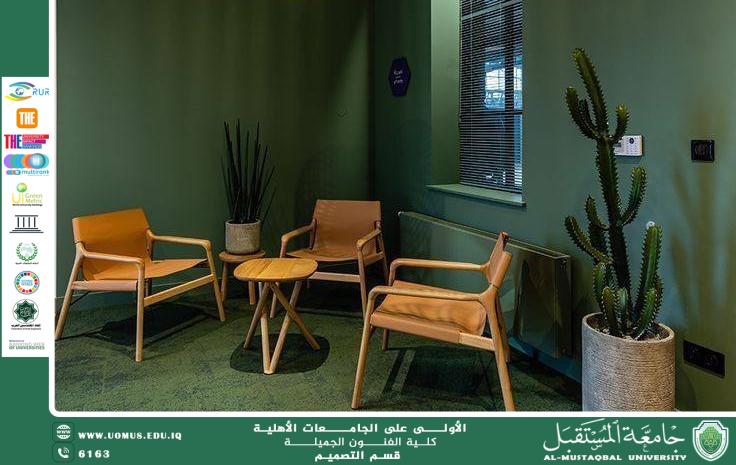
Forms of linear rhythm vary, including regular rhythm, progressive rhythm, and alternating rhythm, each employed according to the function and nature of the space. Regular rhythm enhances a sense of stability and order, while progressive rhythm introduces movement and visual development. Alternating rhythm, on the other hand, breaks monotony and adds vitality to the design.
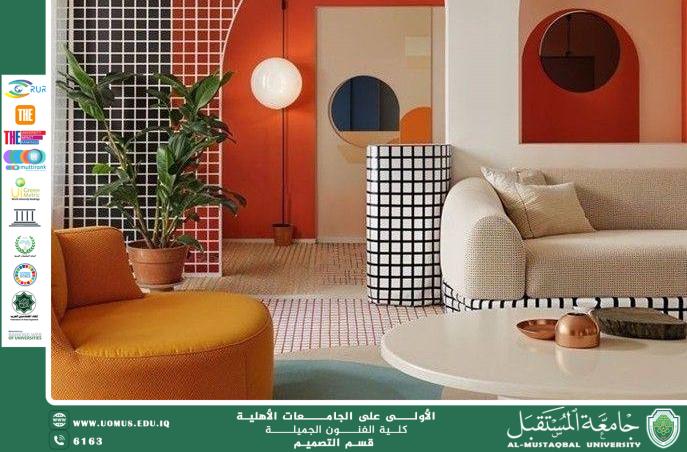
In contemporary interior design, linear rhythm is applied in ceilings, walls, and floors through the repetition of longitudinal or horizontal lines, or through the organized distribution of architectural openings and decorative elements. This application strengthens the visual identity of the space and highlights its architectural character.
Linear rhythm is closely related to other design principles such as balance, proportion, and unity, integrating them into a comprehensive visual framework. The perception of rhythm is also influenced by lighting and color, which can either enhance or diminish its visual clarity.
On a psychological level, linear rhythm affects users’ sense of movement and harmony within interior spaces, positively influencing their overall spatial experience. Therefore, linear rhythm is considered a key design tool that contributes to creating interior environments that are organized, dynamic, and balanced both aesthetically and functionally.
Achieved Sustainable Development Goal:
This concept contributes to SDG 11: Sustainable Cities and Communities by promoting well-organized and user-friendly interior environments that enhance comfort and quality of life. It also aligns with SDG 4: Quality Education when applied to the design of educational spaces that support visual order, focus, and effective learning.
Almustaqbal University, The First University in Iraq.