The Role of Physiology in Interpreting Mechanisms of Death in Forensic Medicine Asst. Lect. Bushra Hussein Atiya
Physiology is a fundamental science that explains how vital body systems function under normal and pathological conditions. In forensic medicine, physiology plays a crucial role in interpreting mechanisms of death by linking functional disturbances of vital organs to the final cause of death. Understanding physiological failure prior to death enables forensic experts to reach accurate medico-legal conclusions.
Concept of Mechanism of Death from a Physiological Perspective
The mechanism of death refers to the sequence of functional disturbances that ultimately lead to the cessation of vital functions such as respiration, circulation, or central nervous system activity. It explains how the cause of death leads to organ failure at the functional level.
Role of the Respiratory System
The respiratory system is essential for gas exchange. Any disruption leads to hypoxia, one of the most common mechanisms of death.
Physiologically, impaired ventilation or gas exchange causes carbon dioxide retention, blood acidosis, and subsequent failure of vital organs, particularly the brain and heart.
Role of the Cardiovascular System
Circulatory failure is a major physiological indicator of death.
Cardiovascular disturbances include:
• Cardiac pump failure
• Fatal arrhythmias
• Severe hypotension
These conditions result in inadequate tissue perfusion, rapid cellular damage, and loss of vital organ function.
Role of the Central Nervous System
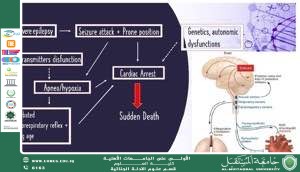
The brain is the primary control center of vital functions. Physiological disruption of the brainstem can cause respiratory or cardiac arrest.
In cases of head injury, hemorrhage, or neurotoxic poisoning, loss of neural regulation leads to functional death even in the absence of gross anatomical damage.
Metabolic Disturbances and Death
Physiology explains deaths caused by acute metabolic imbalances such as:
• Severe hypoglycemia
• Electrolyte imbalance
• Acid–base disturbances
These conditions directly affect cardiac and neuronal electrical activity, resulting in functional arrest.
Importance of Physiology in Autopsy Interpretation
In many forensic cases, autopsy findings may show minimal structural changes. Physiological understanding helps to:
• Interpret functional deaths
• Correlate clinical symptoms with laboratory findings
• Strengthen medico-legal conclusions in court
Role in Forensic Investigations
Physiology assists forensic investigations by:
• Distinguishing natural from unnatural death
• Determining direct or indirect mechanisms of death
• Explaining the effects of trauma, toxins, or asphyxia on vital functions
Thus, it is a cornerstone of forensic evidence analysis.
Conclusion
Physiology provides the scientific foundation for interpreting mechanisms of death in forensic medicine. By analyzing functional disturbances in vital systems, forensic experts can accurately determine how death occurred, supporting justice and scientific truth.
Al-Mustaqbal University – the first university in Iraq.
SDG4