
Color Psychology and Its Role in Design
Colors are among the most important elements in design. Their function goes beyond aesthetics, as they have a profound psychological impact on human emotions and behavior. This influence is known as color psychology, the science that studies how humans respond to colors and how these responses affect emotions, perception, and decision-making, making it a key element in the success of any design work.
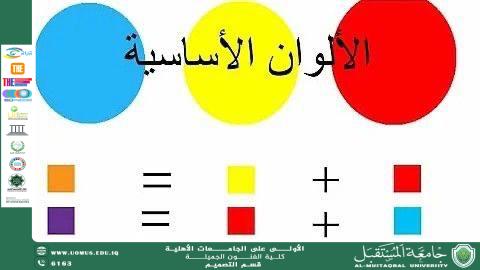
Colors play a crucial role in conveying a visual message. The right color choice enhances the design's meaning, while a wrong choice can cause confusion or convey unwanted feelings. For example:
Red: Symbolizes strength, passion, and energy; often used to attract attention and evoke emotions.
Blue: Represents calmness, trust, and stability; commonly seen in corporate and official designs.
Yellow: Reflects optimism and joy; used to convey happiness and playfulness.
Green: Indicates nature, comfort, and balance; popular in health and environmental designs.
Black: Associated with luxury, mystery, and power; often used in high-end branding.
White: Symbolizes purity, simplicity, and clarity; helps highlight other design elements.
Understanding color psychology helps designers make informed choices that align with the design's purpose and target audience, resulting in designs that are both appealing and effective in communication.
Summary:
Color psychology studies the impact of colors on human emotions and behavior. It is essential in design as it helps communicate visual messages effectively. Correct use of colors enhances the design's impact and attracts attention, as each color carries a specific psychological meaning.
Almustaqbal University, The First University in Iraq.