Censorship of Artistic Works Between Legal Text and Freedom of Expression
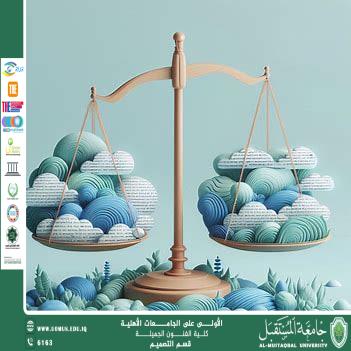
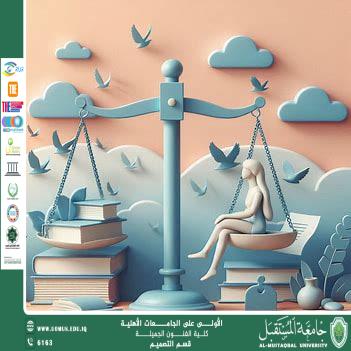
Censorship of artistic works represents one of the most controversial issues within legal and cultural fields, as it involves an apparent tension between legal texts aimed at protecting public order and societal values, and freedom of expression, which is considered a fundamental right for both artists and society. This debate stands as a major challenge in contemporary societies, particularly amid rapid intellectual and technological transformations.
The concept of artistic censorship is rooted in legal frameworks designed to regulate visual and artistic discourse and prevent what is deemed offensive to public order, morals, or social harmony. These frameworks rely on laws and regulations that vary across cultural and political contexts. However, their application often raises questions about the limits of legal authority in intervening in creative production and the extent to which such intervention aligns with principles of freedom of expression.
Conversely, freedom of artistic expression is a cornerstone of artistic development and vitality, as it enables artists to address social, political, and human issues through symbolic and critical approaches. Restricting this freedom weakens the critical function of art and reduces it to a decorative practice devoid of its capacity to question reality or provoke dialogue. Excessive censorship may therefore impoverish the cultural landscape and diminish spaces for societal discussion.
The core challenge lies in the ambiguity of the standards used to define the boundaries of censorship, which are often subject to subjective interpretations or non-artistic considerations. This ambiguity can lead to unjustified restrictions on creative freedom. Furthermore, the diversity of cultural references within a single society complicates the establishment of fixed censorship criteria that achieve broad consensus.
In contemporary contexts, digital communication and online platforms have further complicated the issue of censorship, as artistic works now transcend geographical and legal boundaries. This development necessitates a re-evaluation of traditional legislation and enforcement mechanisms, shifting from a logic of prohibition to one of dialogue and interpretation in order to balance respect for the law with the protection of freedom of expression.
Cultural and legal institutions share responsibility in formulating fair censorship policies grounded in an understanding of art’s nature and critical function, while respecting social and cultural contexts without undermining creative essence. Artists, in turn, bear ethical responsibility to present their ideas in ways that uphold human values without sacrificing their right to free expression.
The study concludes that censorship of artistic works should function as a regulatory rather than repressive tool, aimed at protecting society without stifling creativity. Achieving a balance between legal text and freedom of expression remains essential for fostering a healthy cultural environment capable of producing conscious and responsible art that contributes to societal development.
Achieved Sustainable Development Goal
This article aligns with Sustainable Development Goal 16: Peace, Justice, and Strong Institutions, by promoting the rule of law and safeguarding fundamental rights, particularly freedom of expression. It also relates to SDG 4: Quality Education, by enhancing legal and cultural awareness and fostering critical thinking within society.
Almustaqbal University, The First University in Iraq.