
Rabies in animals and humans: A comprehensive overview of diagnosis and control
Rabies: An ancient viral disease known for thousands of years, it remains a global health problem, particularly in developing countries. It is estimated that tens of thousands die annually from this disease, mostly from bites by infected dogs. The disease has a near 100% mortality rate once symptoms appear, making prevention and early intervention crucial.
Causative Agent
Rabies is caused by the rabies virus, which:
Belongs to the family Rhabdoviridae
Genre Lyssavirus
Is a single-stranded RNA virus
Has a rod-shaped (lead-shaped) form
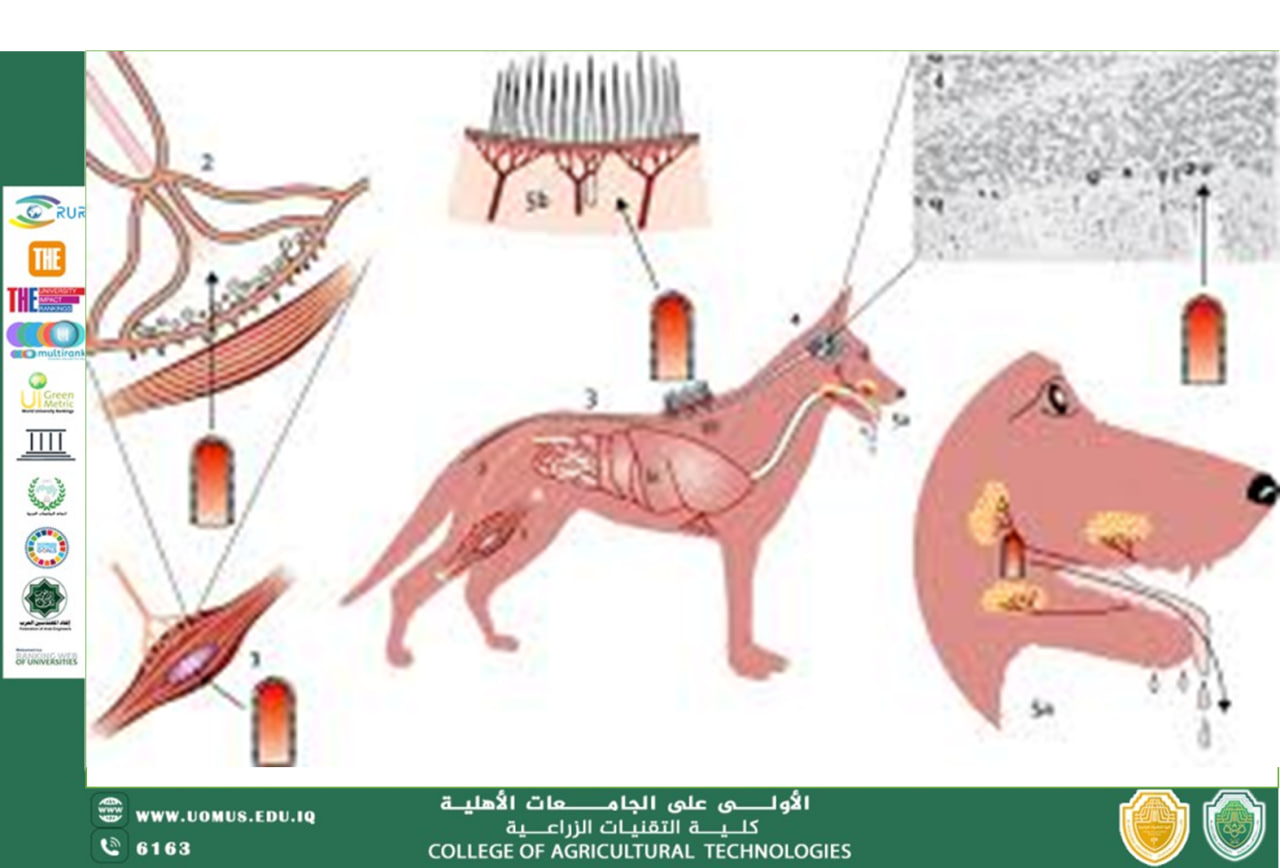
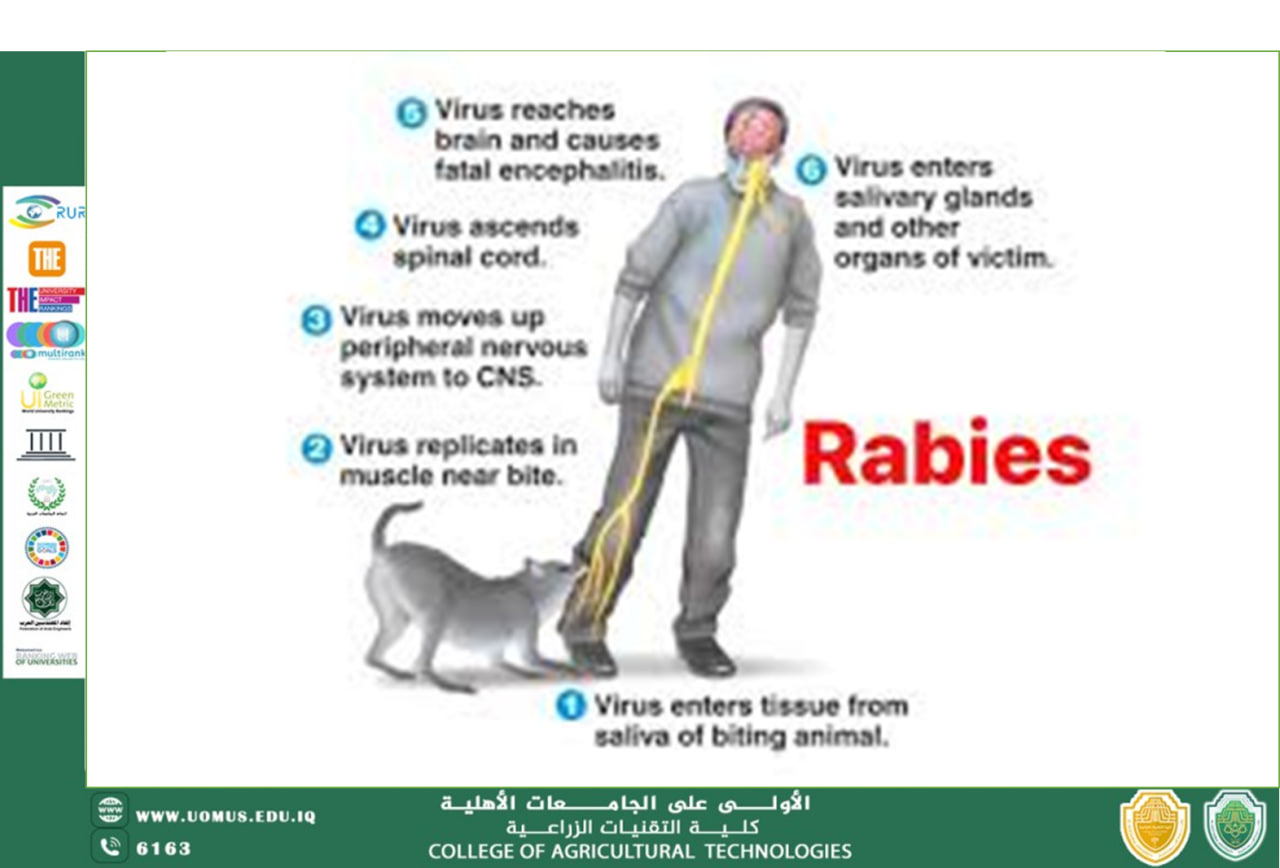
The virus is characterized by its ability to infect nerve cells and travel via peripheral nerves to the central nervous system.
Transmission Methods
Rabies virus is primarily transmitted through:
The bite of an infected animal
The saliva of an infected animal upon contact with open wounds or mucous membranes (mouth, eyes)
Rarely through scratches or inhalation of aerosols in laboratories
Common carrier animals:
Dogs (the primary global carrier)
Cats
Foxes
Wolves
Bats
Raccoons
Incubation period
Ranges from weeks to several months
Depending on:
Bite location (proximity to the brain)
Severity of the bite
Amount of virus injected
Immune status of the infected person
Clinical symptoms
First: In animals
The infection progresses through stages:
Prodromal stage: Behavioral changes, loss of appetite
Excitable stage: Aggression, biting, excessive salivation
Paralytic stage: Paralysis of the limbs, then death
Second: In humans
Fever, headache, general fatigue
Pain or itching at the bite site
Fear of water (hydrophobia)
Convulsions Muscular
Hallucinations and neurological disorders
Coma followed by death
Diagnosis
In animals
Post-mortem brain histology
Detection of Negri bodies
PCR and immunofluorescence techniques
In humans
Saliva and cerebrospinal fluid testing
PCR
Serological tests
Often based on medical history (animal bite)
Treatment
There is no cure once symptoms appear.
Treatment is limited to:
Post-exposure prophylaxis
Cleaning the wound thoroughly with soap and water
Administering rabies antitoxin
Administering vaccinations according to a set schedule
Prevention and control
Regular vaccination of pets
Strand dog control
Community health education
Vaccination of at-risk individuals (veterinarians, laboratory workers)
Immediate reporting of bites
Health and economic importance
Fateful health threat to humans
Economic losses in livestock
Burden on health systems
A controllable disease through prevention and vaccination
Conclusion
Rabies is a serious viral disease Rabies is a zoonotic disease, meaning it can be transmitted between humans and animals. However, it is entirely preventable through vaccination and early post-exposure intervention. Strengthening control programs and public health education is the cornerstone of reducing the spread of this deadly disease.
References (Examples)
World Health Organization (WHO). Rabies Fact Sheet.
OIE. Rabies Manual of Diagnostic Tests.
CDC. Rabies: Epidemiology and Prevention
مقاله علمية حول مرض السعار طريقة العدوى والمسبب المرضي وطريقة السيطرة على المرض