An article titled "What is a 'Smart Wheelchair'" by engineer Mohammed Abdul Karim Razouki
What is a “Smart Wheelchair”?
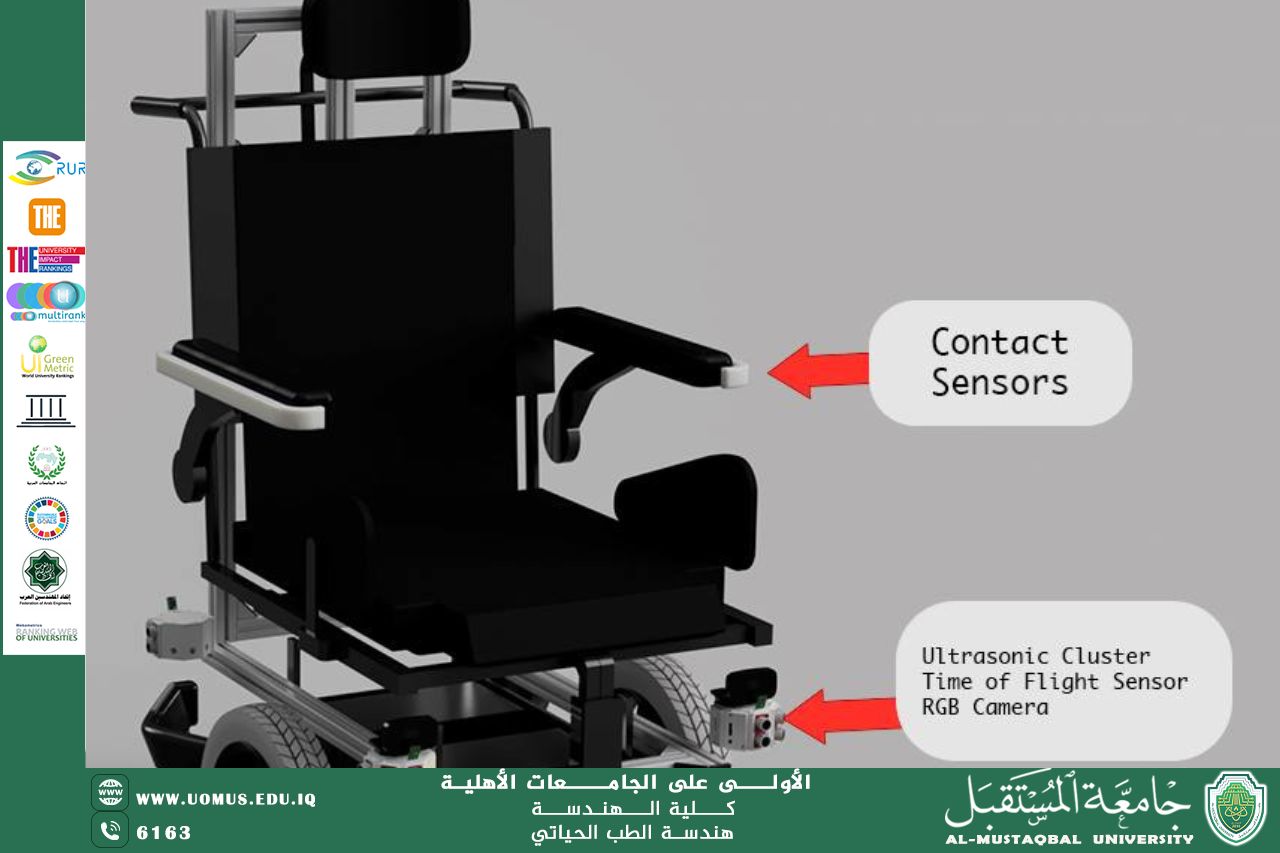
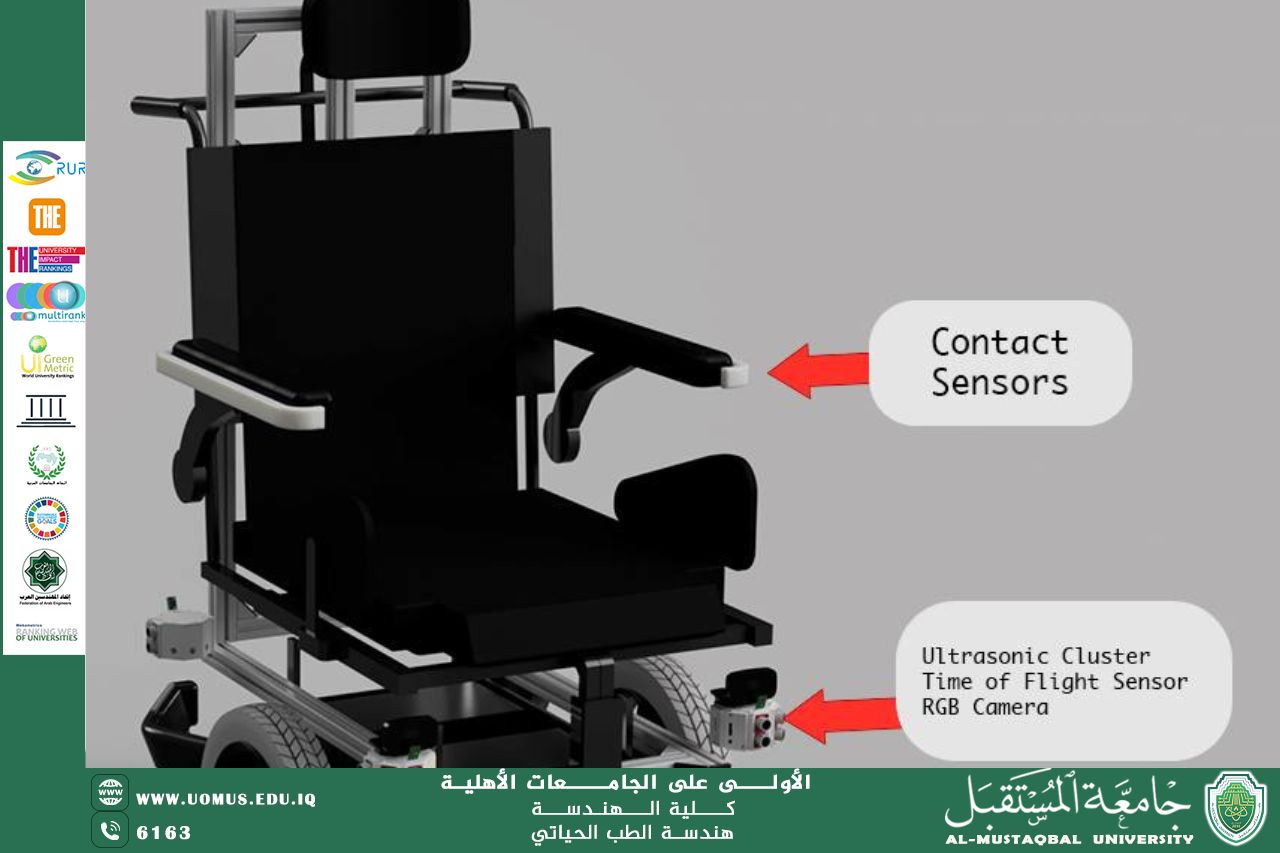
A smart wheelchair is a power wheelchair (PWC) that collects information on driver behavior and interaction with their environment. This is done through the use of sensors and/or cameras positioned to provide feedback on a driver’s ability to control the device and navigate their environment safely. The information can be relayed directly to the user to modify behavior, such as through an auditory, sensory or visual feedback system. The data can also be tracked and used to provide therapists with valuable insight into the user’s driving habits. This can be used to assess the safety of the user and those around them, as well as areas to focus on during future training sessions and ways to modify the environment.
1. Why is this important?
Access to PWC technology can increase a clients' independence, improve their ability to navigate their environment and is considered to be a human right by advocacy groups such as UsersFirst. Access to mobility devices is closely tied to an increase in confidence level, self-efficacy and self-reported desire to use technology. Mobility devices can also reduce the social stigma related to disability, by increasing the independence of a person with mobility impairment. Through the use of information collected by smart wheelchairs, therapists are able to more thoroughly assess a client’s ability to safely operate a PWC, and can increase access for users who might otherwise be denied access due to safety concerns.
2. What Can Smart Wheelchairs Do for Therapists?
A smart wheelchair can supplement a clinician’s decision making. Although there is no substitute for clinical experience and judgment, smart wheelchair feedback can provide valuable insights into how a client interacts with their PWC on a daily basis. They can provide insight into a client’s potential to learn, and whether training sessions will increase their ability to operate a PWC independently. They also provide insight into specific areas to focus on during future training sessions. They can create objective measures of performance (such as a number of collisions experienced) and provide ongoing monitoring of clients, even when training sessions end.