Egg freezing in cows and its role in achieving sustainability in animal production
A Scientific Article by Professor Ritaj Aqeel Dawood
Egg freezing in cows is a modern reproductive technology that contributes to preserving genetic resources and achieving sustainability in livestock production. This technology allows for the preservation of high-quality female eggs and their future use in fertilization and embryo production programs. This enhances genetic diversity, improves production efficiency, and helps address environmental and disease challenges, thus serving food security and sustainable agricultural development.
Keywords: Egg freezing, cows, animal sustainability, reproductive technologies.
Introduction
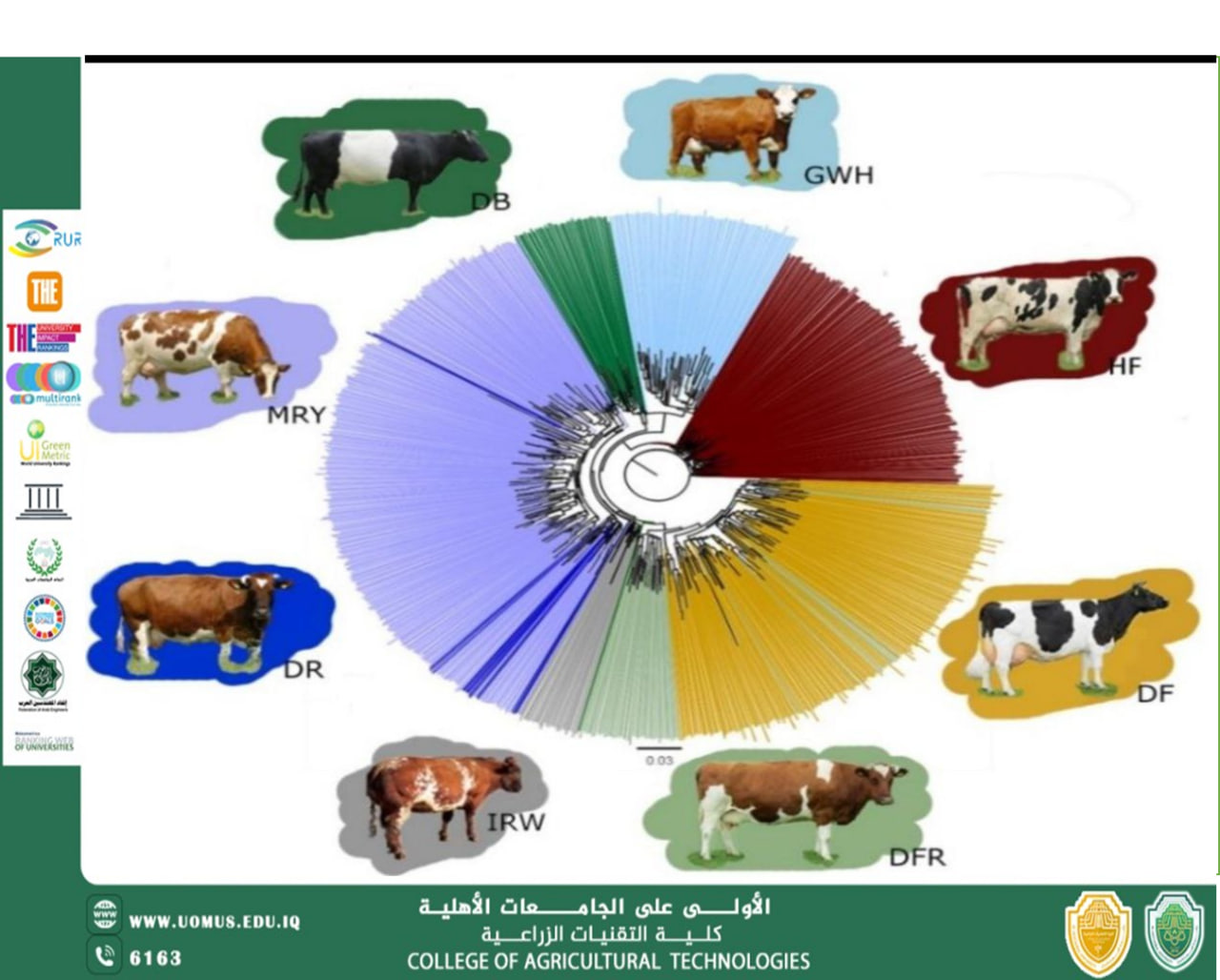
Cowes are a cornerstone of livestock production. With increasing demand and the effects of climate change, adopting advanced reproductive technologies, including egg freezing, has become essential for preserving production efficiency and genetic resources.
The Concept and Importance of Egg Freezing
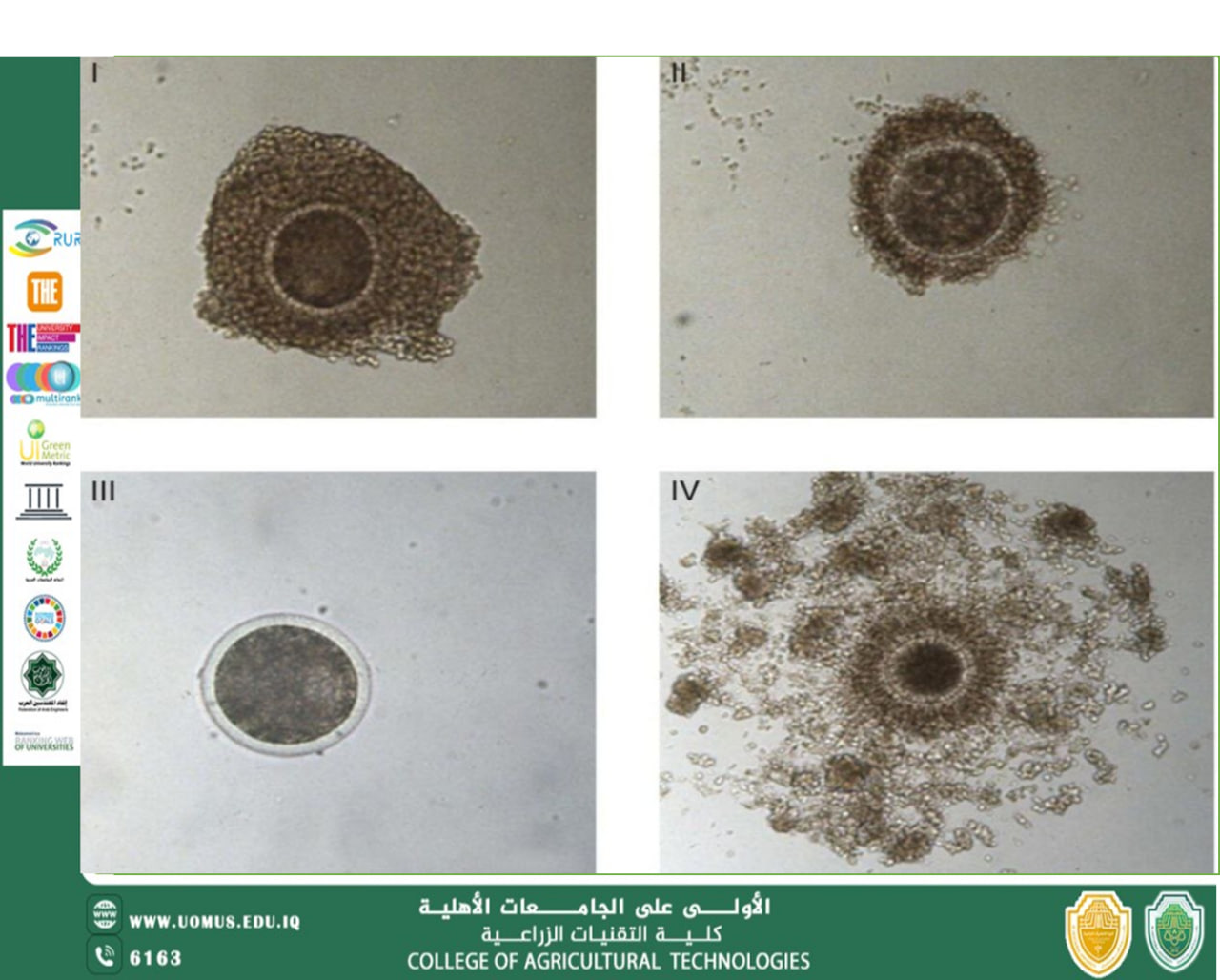
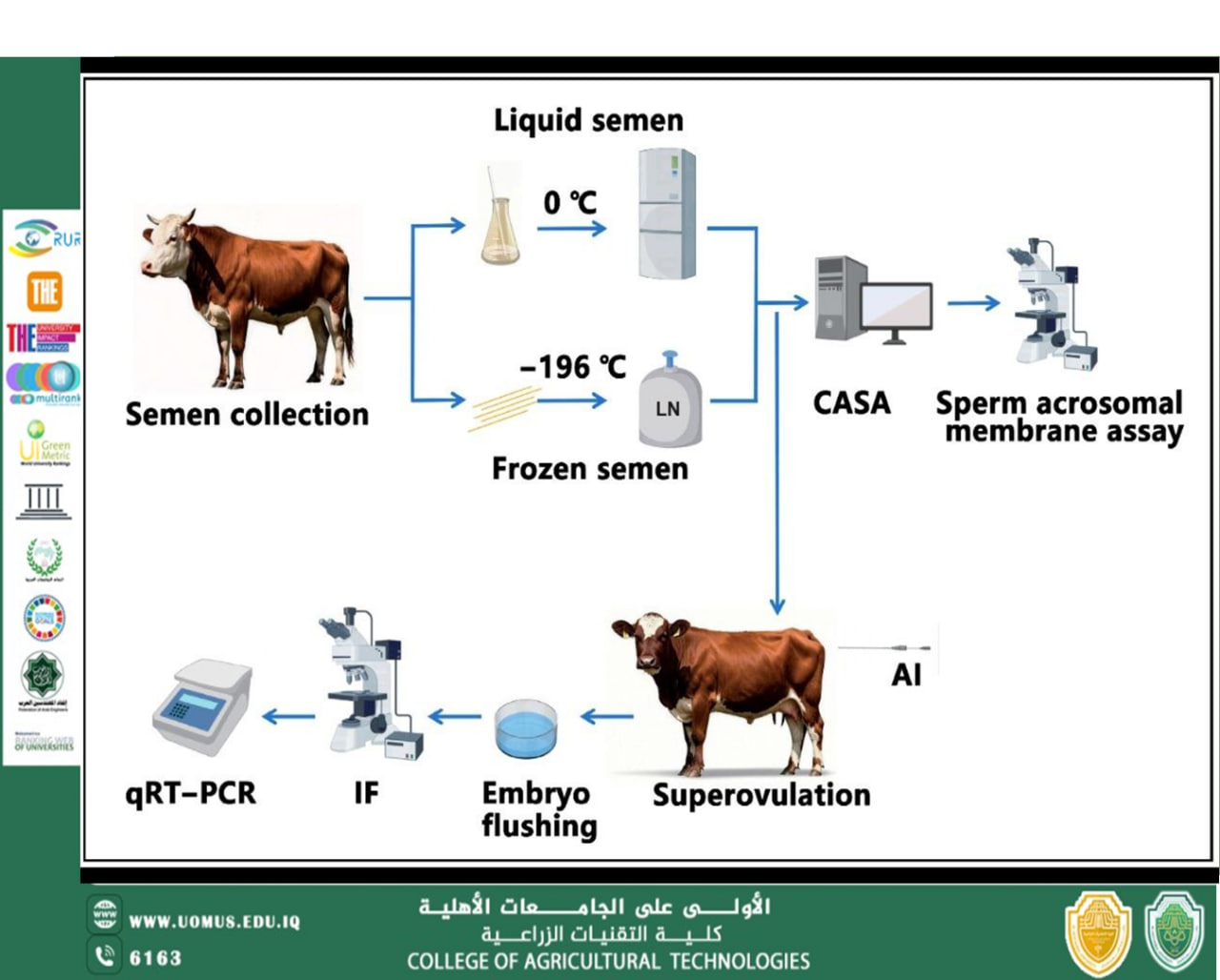
Egg freezing involves preserving cow eggs at very low temperatures using liquid nitrogen. This process halts their viability and allows for their later use in fertilization programs, supporting genetic improvement and ensuring the sustainability of superior traits. Its Role in Achieving Sustainability
Egg freezing contributes to preserving genetic diversity, improving productive traits, and mitigating environmental changes and diseases, in addition to reducing the environmental and economic impact of livestock production.
Technologies and Challenges
Rapid freezing is currently the most widely used technology; however, the technology still faces challenges related to egg sensitivity and the need for specialized personnel and infrastructure.
Conclusion
Egg freezing represents an important strategic tool for achieving sustainability in cattle breeding and can be adopted within national programs for livestock development and supporting food security.