Bacteria: Between Their Vital Role in Human Health and Contemporary Pathogenic Challenges
Introduction
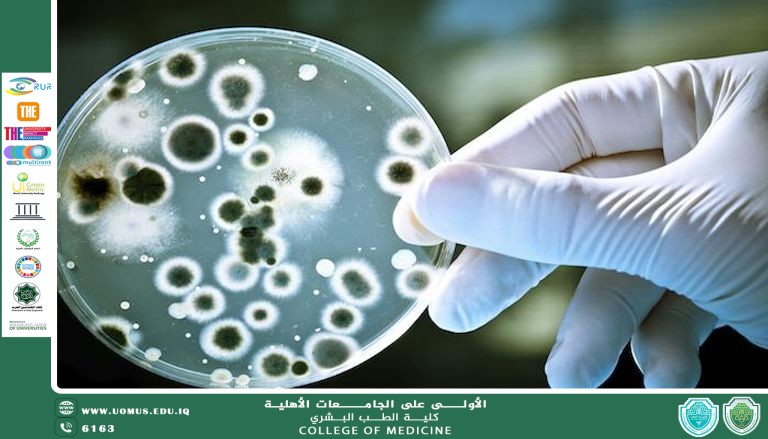
Bacteria are among the most widespread and diverse living organisms on Earth. They are microscopic, single-celled organisms that play dual roles in human life. While many types of bacteria contribute significantly to maintaining human health by forming what is known as the microbiome, others can cause diseases ranging from mild infections to life-threatening conditions. This article presents a structured scientific overview of bacteria, highlighting their nature, benefits, risks, classification methods, and the growing challenge of antibiotic resistance.
What Are Bacteria?
Bacteria are microscopic living organisms composed of a single cell and are classified as prokaryotes because they lack a true nucleus. They inhabit nearly all environments, including the human body, where they are found on the skin, in the respiratory tract, mouth, digestive system, reproductive organs, and urinary tract. Scientific estimates suggest that the number of bacterial cells in the human body exceeds the number of human cells by several times.
Beneficial Roles of Bacteria in Human Health
Most bacteria are harmless, and many are essential for maintaining normal physiological functions. These beneficial bacteria, collectively known as the resident flora or microbiome, play a crucial role in:
• Digesting food and facilitating nutrient absorption.
• Supporting the immune system and preventing the growth of pathogenic microorganisms.
• Maintaining microbial balance in the gut and on the skin.
Pathogenic Bacteria and Health Risks
Despite their benefits, some bacteria are capable of causing disease. These organisms are referred to as pathogenic bacteria, as they multiply rapidly within the body and produce toxins that lead to infection. Examples include:
• Streptococcus species, which cause streptococcal pharyngitis.
• Staphylococcus species, responsible for various skin and soft tissue infections.
• Escherichia coli, associated with certain forms of foodborne illness.
In severe cases, bacteria may enter the bloodstream, leading to sepsis, a systemic and potentially life-threatening inflammatory response to infection.
Classification of Bacteria
Scientists classify bacteria using several criteria, including:
1. Scientific Nomenclature
Bacteria are named according to their genus and species, such as Clostridium botulinum, the bacterium responsible for botulism. Within a single species, multiple strains may exist.
2. Shape
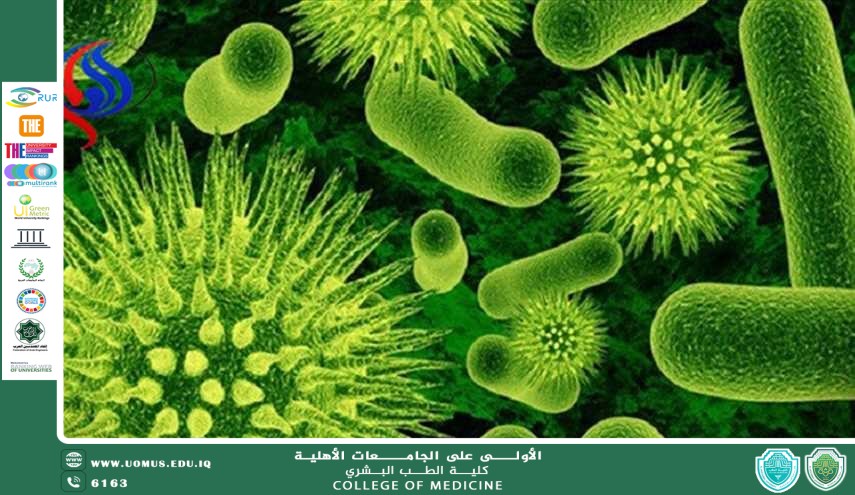
• Spherical (cocci).
• Rod-shaped (bacilli).
• Spiral or helical (spirilla).
3. Oxygen Requirements
• Aerobic bacteria, which require oxygen.
• Anaerobic bacteria, which cannot survive in the presence of oxygen.
• Facultative bacteria, which can grow with or without oxygen.
4. Genetic Composition
Each bacterium has a unique genetic profile (genotype), which can be identified using specialized laboratory techniques.
5. Gram Staining
Bacteria are classified based on their response to the Gram stain:
• Gram-positive bacteria appear purple or blue, such as Listeria and Clostridium.
• Gram-negative bacteria appear pink or red, such as Klebsiella and Pseudomonas.
This distinction is clinically important, as Gram-positive and Gram-negative bacteria respond differently to specific antibiotics.
Bacteria and Antibiotics
Antibiotics are widely used to treat bacterial infections by damaging the bacterial cell wall or interfering with DNA replication. However, excessive or improper use of antibiotics can lead to antibiotic resistance, making infections more difficult to treat. A well-known example of antibiotic-resistant bacteria is methicillin-resistant Staphylococcus aureus (MRSA), which poses a significant global health challenge.
Bacterial Reproduction
Most bacteria reproduce through binary fission, a process in which a single bacterial cell replicates its DNA and divides into two genetically identical daughter cells.
Al-Mustaqbal University ranks first among private universities.