Environmental and animal behavior management in animal production systems
Environmental and animal behavior management is a key pillar of modern livestock production systems, given its direct impact on animal health, welfare, and productivity. Providing a suitable environment that respects the animal's natural behavior contributes to reducing stress levels, improving production efficiency, and enhancing economic returns. This article aims to highlight the concept of environmental and animal behavior management, explain the factors influencing them, and their role in supporting sustainability in livestock production.
Introduction
Livestock production systems have witnessed remarkable development recently. The primary goal is no longer simply maximizing production, but rather focusing on animal welfare and improving their environmental and behavioral conditions. Neglecting the management of the animal's environment leads to abnormal behaviors, declining productivity, and increased susceptibility to disease. Hence, the importance of understanding the interaction between the environment and animal behavior to ensure balanced and sustainable livestock production.
Animal Environment Management
Animal environment management encompasses a range of factors surrounding animals within barns or pastures, including:
Climatic conditions such as temperature and humidity
Ventilation efficiency and lighting levels
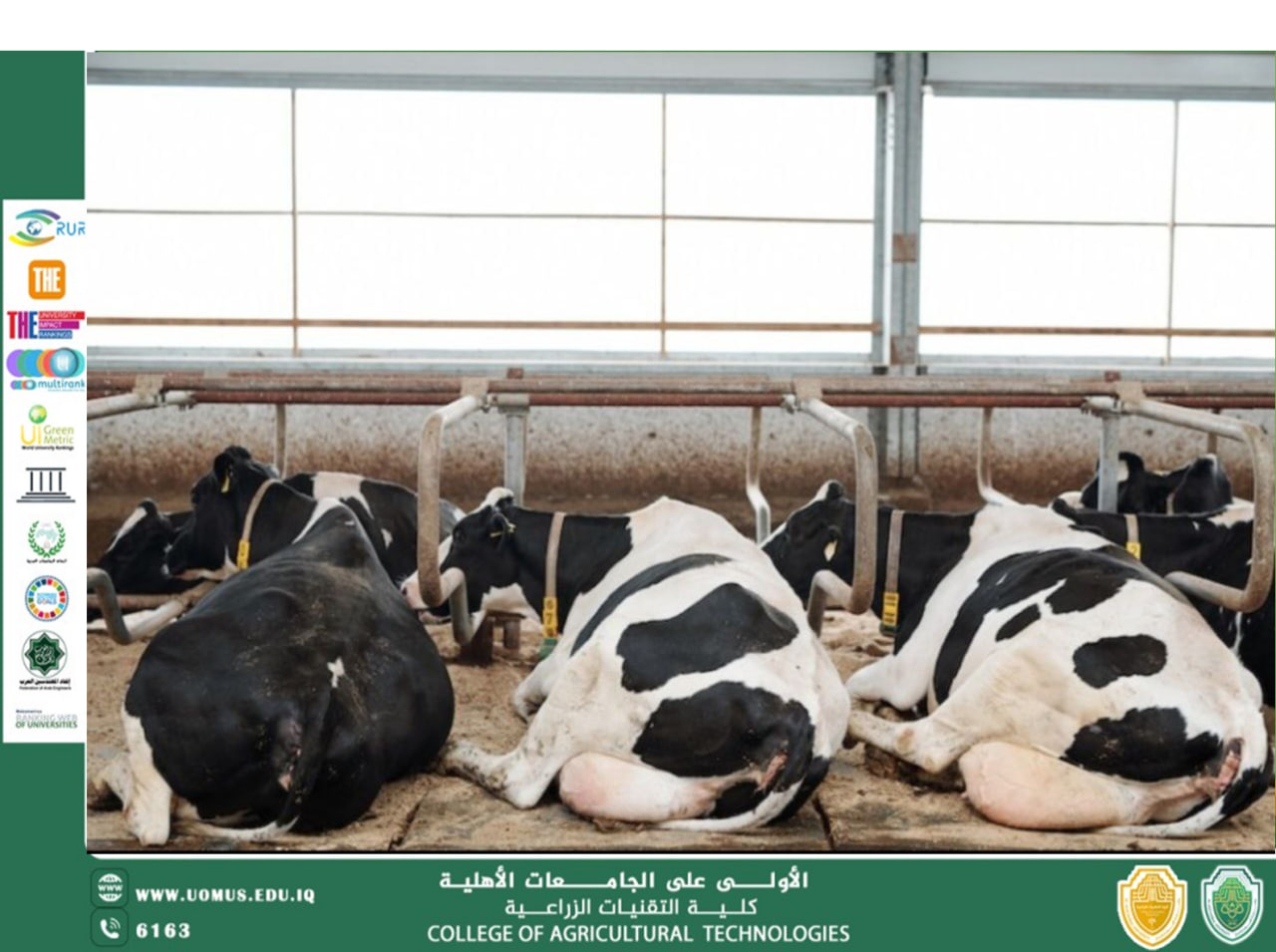
Flooring quality and housing space
Cleanliness and noise levels
This management aims to provide suitable living conditions that minimize environmental stresses and ensure animal comfort in accordance with their natural needs.
Animal Behavior
Animal behavior refers to all actions and responses exhibited by animals as a result of their interaction with their surrounding environment. This includes feeding, resting, movement, and social interaction behaviors. Behavior is an important indicator reflecting the animal's health and psychological state, as well as the suitability of its environment.
The Impact of the Environment on Animal Behavior
Environmental factors play a fundamental role in shaping animal behavior. For example:
Exposure to heat stress leads to decreased feed consumption and disrupted resting patterns.
Poor ventilation leads to respiratory problems and abnormal behaviors.
Overcrowding leads to increased aggression and competition among animals. Therefore, improving environmental conditions contributes to promoting natural behaviors and reducing negative ones.
The Role of Environmental and Behavioral Management in Animal Production
Sound management of the environment and animal behavior positively impacts production performance, leading to:
Improved feed utilization efficiency
Increased milk or meat production
Reduced disease rates
Improved reproductive efficiency
Extended productive lifespan of animals
Methods of Improving Environmental and Animal Behavioral Management
Environmental and animal behavior management can be improved through:
Designing production facilities that consider animal comfort and behavioral needs
Implementing effective ventilation and cooling systems
Organizing feeding processes that align with natural behavior
Adopting humane handling methods during transport and milking
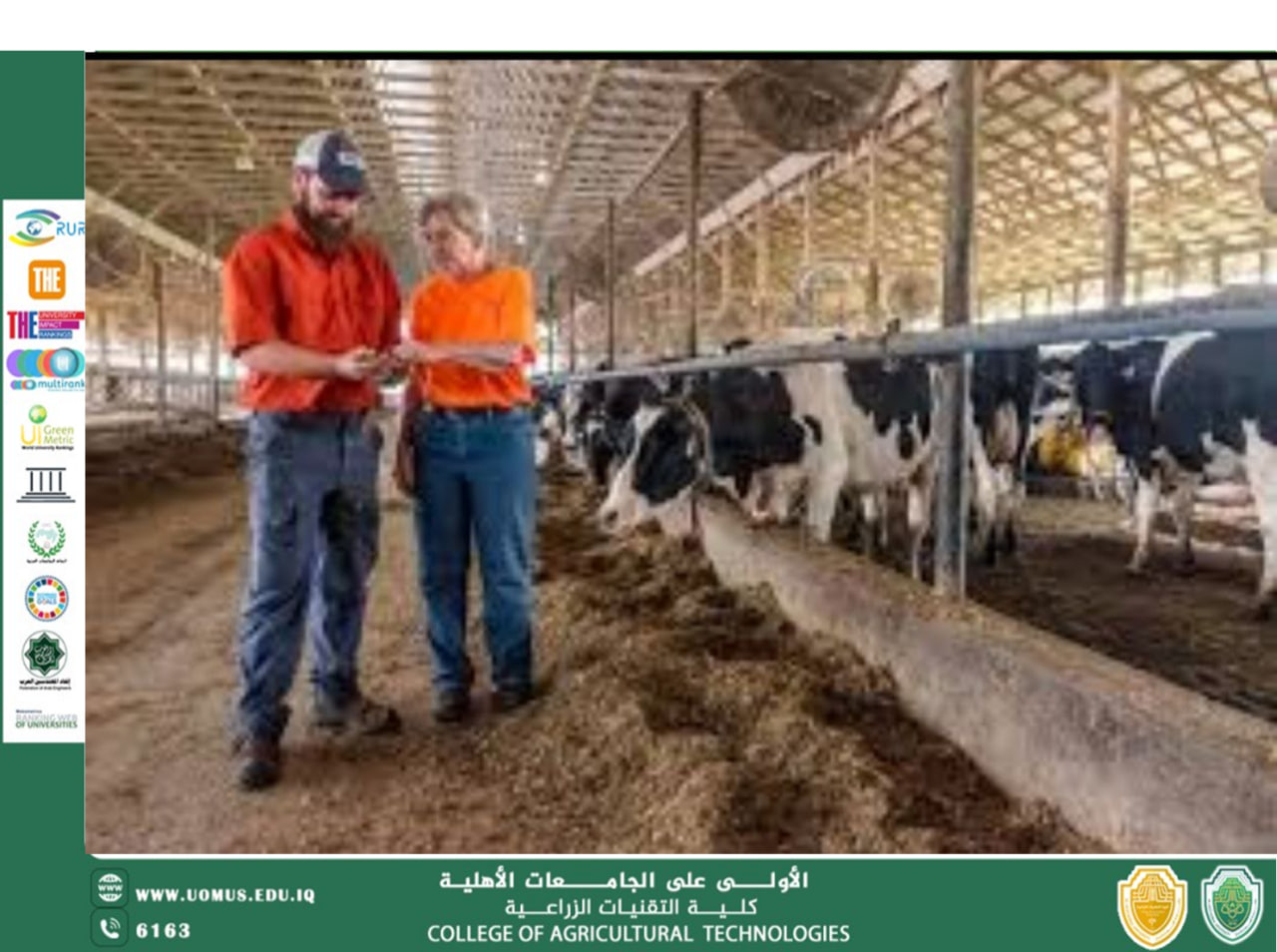
Training workers and promoting a culture of animal welfare
Economic and Ethical Dimensions
The importance of environmental and animal behavior management extends beyond production to include ethical and social dimensions. Attention to animal welfare reflects the commitment of animal production systems to sustainable practices and international standards.
Summary
Environmental and animal behavior management forms a solid foundation for the success of modern livestock production systems, playing a vital role in balancing animal welfare and production improvement. Investment in this area contributes to achieving sustainable positive outcomes at both the economic and environmental levels.
Al-Mustaqbal University is ranked first among private universities in Iraq.