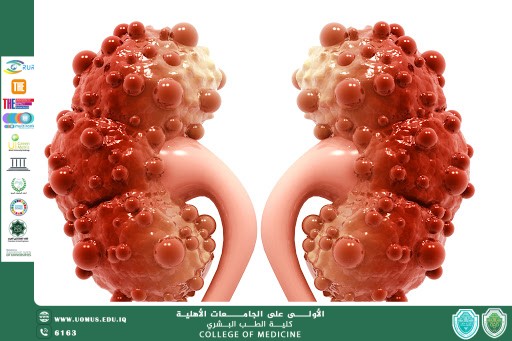

Bacteriological and Immunological Aspects in Chronic Renal Failure
Chronic renal failure (CRF) is associated with significant immune dysfunction, resulting in increased susceptibility to bacterial infections and higher rates of morbidity and mortality. Both increased bacteriological exposure and impaired immune responses play a central role in this vulnerability.
Patients with CRF are predisposed to infections due to uremia, repeated hospital admissions, and invasive procedures such as hemodialysis. The most common infections involve the urinary tract, respiratory system, skin, and bloodstream. Frequently isolated pathogens include Staphylococcus aureus, Escherichia coli, Klebsiella pneumoniae, Pseudomonas aeruginosa, and Enterococcus species. Catheter-related bloodstream infections are particularly common in hemodialysis patients, with a growing concern regarding antimicrobial resistance.
Immunological abnormalities in CRF affect both innate and adaptive immunity. Defective neutrophil function, impaired phagocytosis, and reduced complement activity compromise innate defenses, while T-cell dysfunction and decreased antibody production weaken adaptive immunity. Additionally, CRF is characterized by chronic low-grade inflammation, with elevated pro-inflammatory cytokines contributing to immune dysregulation.
Although dialysis reduces uremic toxin levels, it does not fully restore immune function and may further increase infection risk. Consequently, infections remain a leading cause of morbidity and mortality among patients with CRF. Enhanced infection control measures, rational antimicrobial use, and preventive strategies are essential to improve patient outcomes.
Al-Mustaqbal University ranks first among private universities.