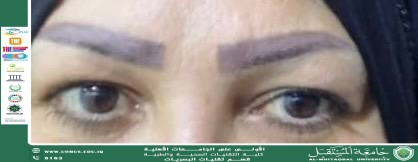

A Scientific Article by Dr. Gaith Ali Mahmoud Entitled: Indications for Blepharoplasty
Indications for Blepharoplasty Introduction Blepharoplasty is a common surgical procedure in ophthalmology and plastic surgery aimed at removing excess skin and/or protruding fat from the upper and/or lower eyelids. This procedure may be performed for functional medical reasons or for cosmetic purposes, and often both indications coexist in the same patient. First: Functional (Medical) Indications Blepharoplasty is considered medically indicated when eyelid drooping or excess skin causes a clear functional impairment, including the following conditions: Upper eyelid dermatochalasis when excess skin partially covers the pupil, leading to narrowing of the superior visual field, difficulty with reading or driving, frontal muscle strain and chronic headaches, and documented superior visual field loss on examination. Improvement in the visual field when the eyelid is manually elevated is considered an important indicator in functional assessment. Ocular irritation or discomfort caused by excess skin such as a sensation of eyelid heaviness, skin rubbing against the eyelashes, reflex tearing or visual fatigue, and difficulty fully opening the eye or maintaining eyelid opening, particularly in elderly patients or those with severe eyelid laxity. Second: Cosmetic Indications These include cases without obvious functional impairment, where the goal is to improve the aesthetic appearance of the eyes, such as protrusion of fat in the upper or lower eyelids (steatoblepharon) giving a tired or aged appearance, redundant skin wrinkles of the lower eyelid especially with aging or after weight loss, eyelid asymmetry or disharmonious appearance of the eyes whether congenital or acquired, and minor deformities following trauma or previous surgery with preserved ocular function. Third: Special Indications for the Lower Eyelid Lower eyelid blepharoplasty is indicated in cases of prominent infraorbital fat pads, lower eyelid skin laxity with or without decreased eyelid tone, and tear trough deformity as part of a comprehensive treatment plan. Conclusion Blepharoplasty is a multifunctional procedure with indications ranging from improvement of visual function to enhancement of cosmetic appearance. Accurate preoperative evaluation is essential to determine the appropriate indication, select the proper surgical technique, and avoid complications. A clear distinction must always be made between functional indications with therapeutic medical value and cosmetic indications aimed at improving appearance and quality of life.
University of Al-Mustaqbal – The First and Leading Private University