An article titled "Artificial Intelligence" by programmer Zahraa Abdul Zaid Abdul Abbas
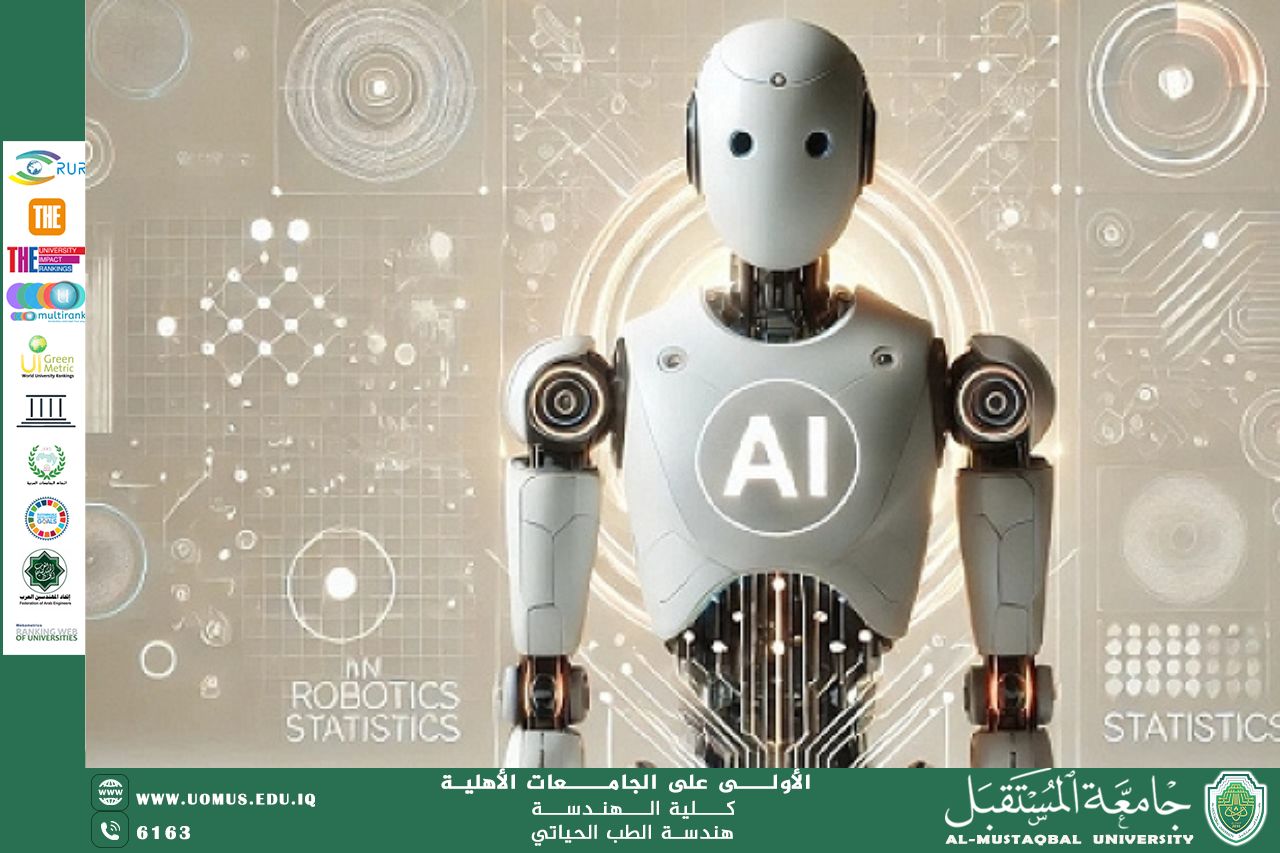
Artificial intelligence (AI) has become one of the most important modern technologies, significantly impacting our daily lives. It is no longer just a theoretical concept, but a tangible reality used in various fields such as education, medicine, industry, and communications.
AI is defined as the ability of machines and computer programs to mimic human intelligence, such as thinking, learning, problem-solving, and decision-making. AI relies on advanced technologies like machine learning and big data analytics.
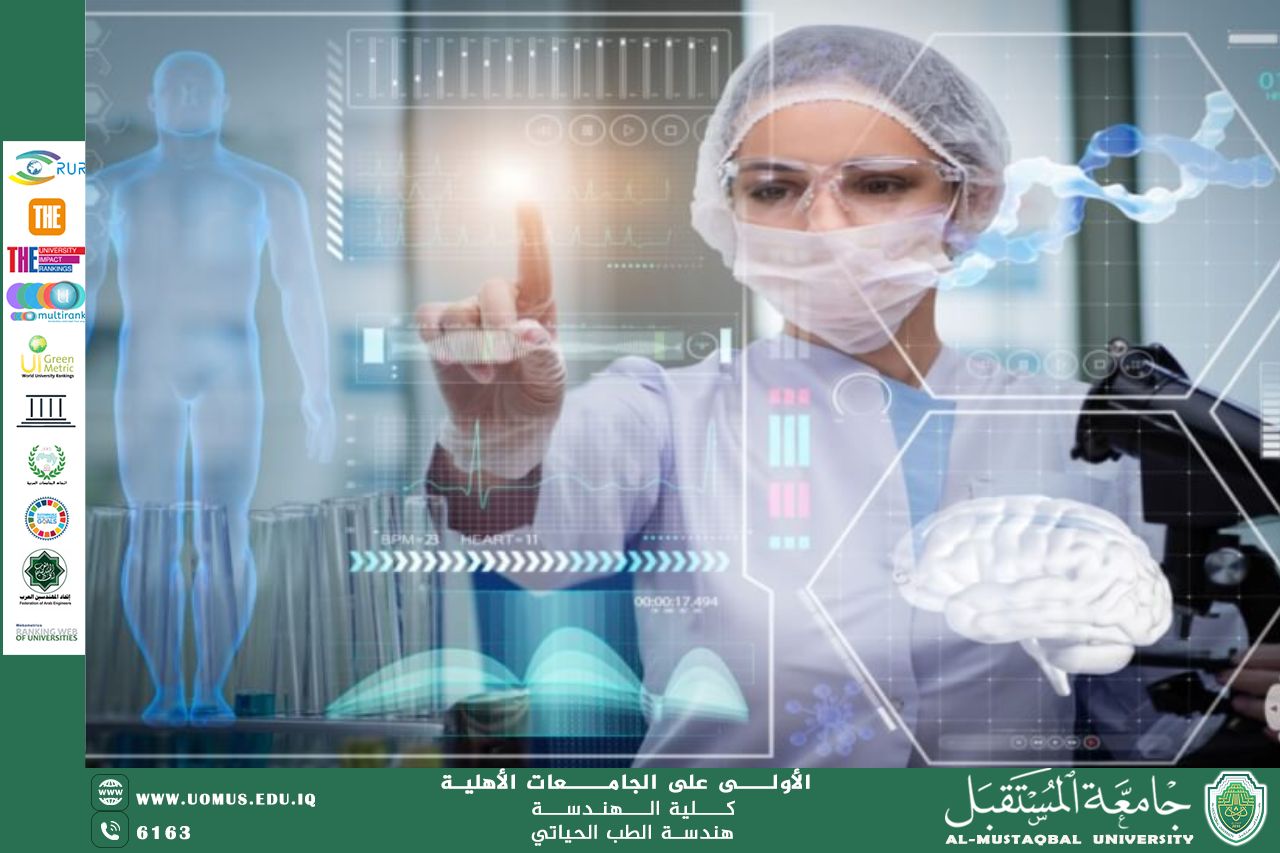
In medicine, AI has contributed to more accurate disease diagnosis, medical image analysis, and disease prediction. In education, it has helped develop intelligent learning systems that consider individual student differences and provide personalized learning content.
AI also plays a significant role in the economy and industry by improving production, reducing costs, and automating many jobs, thus increasing efficiency and speed. However, this development raises some concerns, such as the potential loss of some traditional jobs, privacy issues, and ethical considerations.
In conclusion, AI can be considered a double-edged sword. It offers tremendous opportunities for progress and development, but it requires responsible use and clear legislation to ensure its benefits are utilized without harming society. With continued development, artificial intelligence will remain a fundamental element in shaping the future of humanity.