**The Role of Career Education for University Students in Enhancing Career Awareness and Its Impact on Professional Stages After Graduation**
By Asses. Prof. Mahmoud Abdelhafez Kenawy
Introduction:
Considering the rapid changes in the job market, the tremendous technological advancements, and the diversification of employment fields, it has become essential for university students to possess sufficient career awareness to help them choose the right career path and acquire the necessary skills to meet the challenges of the future.
Career education is a fundamental tool that helps students make informed career decisions and achieve success in their professional lives. In this context, the role of higher education institutions is paramount in providing comprehensive career education programs that enhance students' career awareness, thereby improving their readiness for the job market and preparing them for the various professional stages after graduation.
The Concept of Career Education:
Career education is a systematic process that empowers individuals to discover their capabilities and understand the opportunities available in the job market, enabling them to make informed career decisions.
Career education includes providing information on different fields of work, the skills required, and job-search mechanisms, as well as developing soft skills such as time management and effective communication.
For university students, career education is a vital tool that helps them connect what they learn at university with the real work environment.
The Importance of Career Education for University Students:
1. Enhancing Career Awareness: Career education helps students understand the nature of the job market and its requirements, enabling them to choose specializations and career paths that suit their interests and abilities.
2. Developing Necessary Skills: Through career education, students can identify the skills they need to successfully enter the job market, whether technical skills or soft skills such as leadership and teamwork.
3. Career Planning: Career education empowers students to develop realistic plans to achieve their career goals, from choosing university majors to searching for suitable job opportunities.
4. Bridging the Gap Between Education and the Job Market: Career education helps narrow the gap between the theoretical knowledge students acquire at university and the practical skills required in work environments.
The Impact of Career Education on Post-Graduation Career Stages:
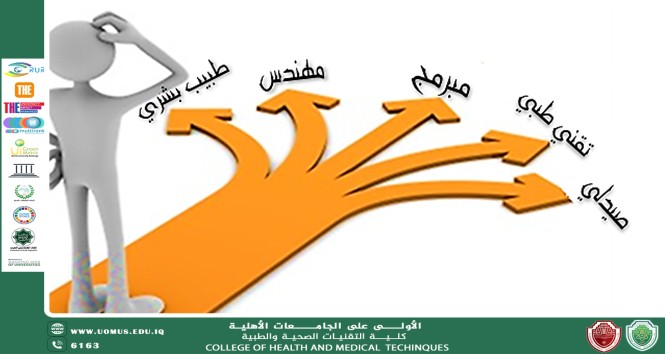
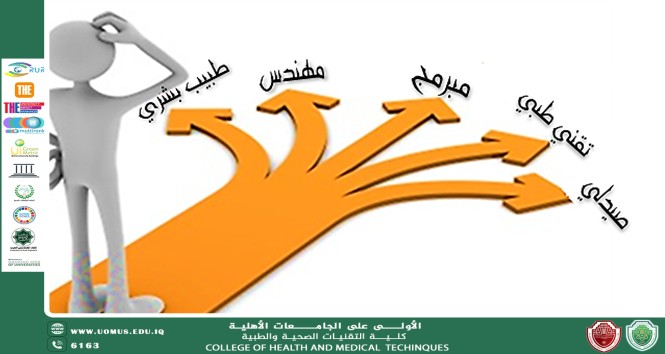
1. Choosing the Right Career Field: When students are aware of different fields of work and their requirements, they are able to choose a field that matches their skills and interests, increasing their chances of success and job satisfaction. 2. Competitiveness in the Job Market: Career education helps students understand the importance of continuous development and updating their skills to meet market demands, making them more competitive when searching for jobs.
3. Adapting to Professional Changes: Career education enhances graduates' ability to adapt to rapid changes in the job market, whether in terms of new technologies or emerging career trends.
4. Achieving Job Stability: Through career education, graduates become more prepared to accept professional responsibilities and understand the nature of workplace relationships, leading to greater job stability.
5. Improving Professional Performance: The professional awareness students gain during their studies helps improve their performance in their jobs, as they develop a deeper understanding of the importance of hard work and adherence to professional standards.
Challenges in Career Education in Universities:
Despite the importance of career education, universities face several challenges in delivering effective programs.
Among the most prominent of these challenges are:
1. Lack of Resources: Some universities may suffer from a shortage of human or financial resources necessary to implement comprehensive career education programs.
2. Weak collaboration with the labor market: Insufficient cooperation between universities and employers can lead to career education programs that are not aligned with market needs.
3. Theoretical orientation: University programs are often overly focused on theory without sufficient emphasis on practical applications, which limits the effectiveness of career education.
4. Student resistance: Some students may not realize the importance of career education or may prefer to focus solely on academic subjects.
Solutions to enhance career education in universities:
1. Integrate career education into the curriculum: Career education programs should be an integral part of the university curriculum, offered to students from their early years of study.
2. Organize workshops and seminars: Universities can organize workshops and seminars in collaboration with labor market experts to introduce students to the latest career trends.
3. Encourage internships: Providing internship opportunities for students helps them better understand the nature of work and apply what they have learned theoretically.
4. Establish career guidance centers: Universities can establish specialized career guidance centers to provide support and guidance to students at all stages of their studies. In conclusion, career education is a fundamental tool for enhancing career awareness among university students and preparing them to meet the challenges of the job market. Through effective career education programs, universities can help improve students' readiness for the workforce and their success at various career stages after graduation. However, this requires collaboration between universities and the job market to ensure the delivery of high-quality career education programs that meet students' needs and the labor market's demands.
Therefore, investing in career education is not merely an educational step, but an investment in the future of students and the future of society.