
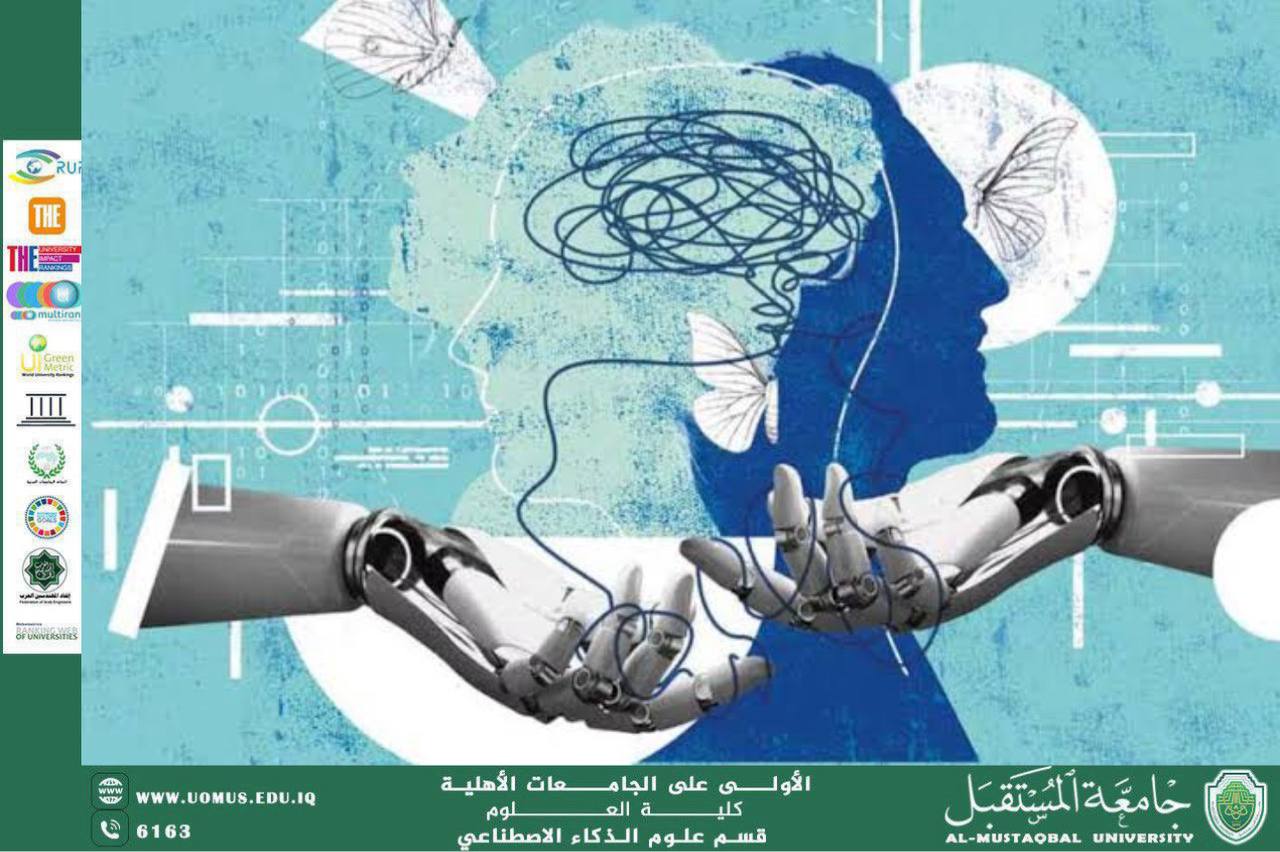
A Comparison of Artificial Intelligence and Its Relationship with Mental Health
Artificial Intelligence has become an important component in the field of mental health, as it is used for early diagnosis of psychological disorders by analyzing patterns of behavior, language, and digital interaction. AI-based systems are characterized by their ability to process large amounts of data quickly and accurately, helping clinicians and therapists make data-driven decisions. In contrast, traditional mental health approaches rely on clinical interviews and direct observation, which may be influenced by human subjectivity.
On the other hand, Artificial Intelligence provides mental health support tools such as virtual assistants and intelligent applications that allow access to psychological guidance at any time, while traditional services are often limited to specific times and locations. However, human interaction remains a fundamental element in psychological treatment that AI cannot fully replace. Therefore, the comparison indicates that integrating Artificial Intelligence with traditional mental health services achieves the best outcomes in improving the quality of mental healthcare