An article titled "Combating Desertification and Land Degradation" by Engineer Hassanein Hadi Hussein
Combating Desertification and Land Degradation
Desertification and land degradation are among the most serious environmental challenges threatening global food security and environmental stability. This paper aims to analyze the relationship between sustainable land management strategies and achieving Sustainable Development Goal 15 (SDG 15), specifically target 15.3, which focuses on "Land Degradation Neutrality" (LDN). The paper reviews the main drivers of degradation, discusses scientific indicators for measuring soil health, and proposes nature- and technology-based solutions to enhance the resilience of ecosystems in arid and semi-arid regions.
Land is the fundamental resource upon which human survival depends, providing food, water, and shelter, and playing a pivotal role in climate regulation. However, reports from the United Nations Convention to Combat Desertification (UNCCD) indicate that land degradation negatively impacts the well-being of at least 3.2 billion people worldwide.
In this context, desertification is no longer merely a local environmental problem, but has become a global dilemma intertwined with poverty, forced migration, and climate change. Therefore, the United Nations has established Goal 15 (Life on Land) as a cornerstone of the 2030 Agenda, with a particular focus on Target 15.3, which calls for combating desertification and restoring degraded lands to achieve a "land-neutral" world.
1. Desertification and Land Degradation
It is scientifically essential to distinguish between these two terms:
• Land Degradation: This refers to the decline or loss of biological or economic productivity of rainfed, irrigated, rangeland, and forest lands, resulting from physical, chemical, or biological processes.
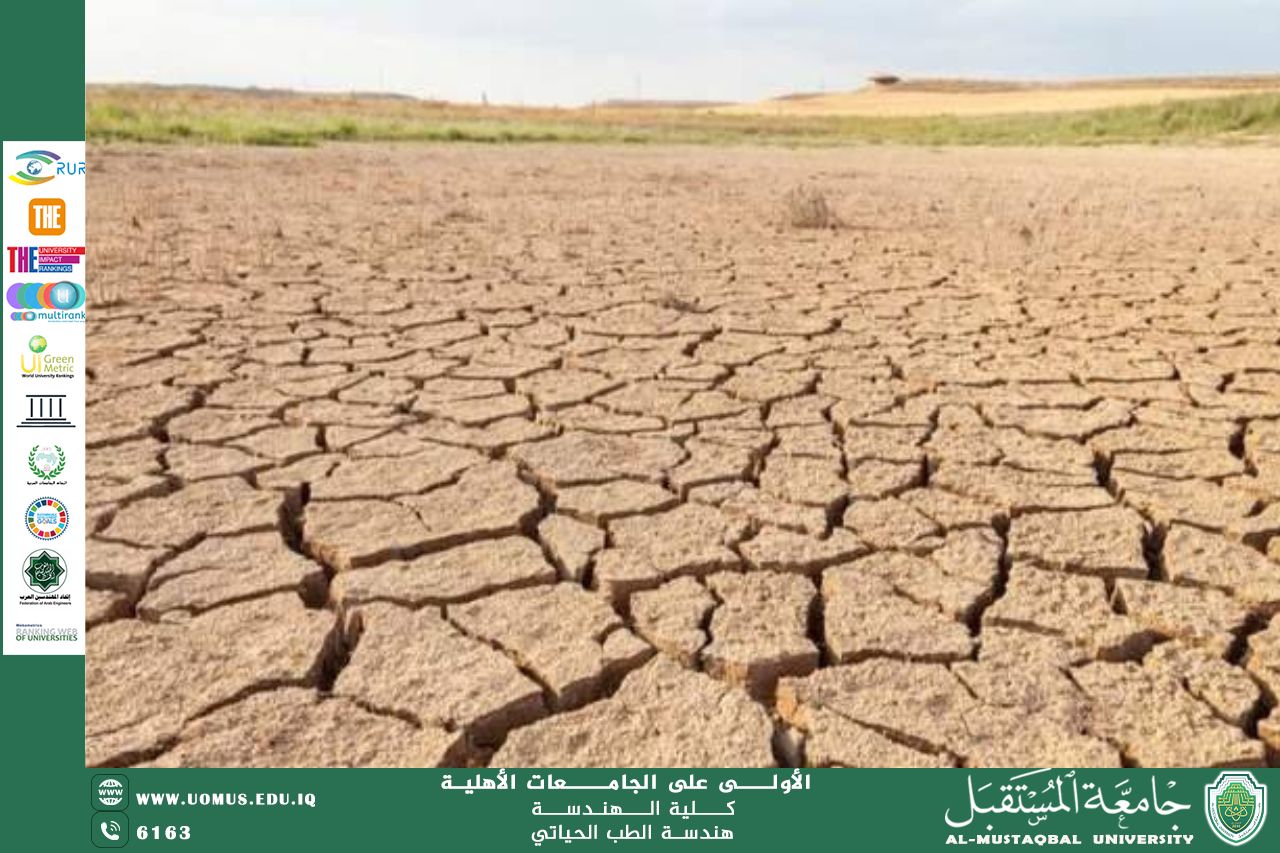
• Desertification: This refers to the degradation of land in arid, semi-arid, dry, and sub-humid areas, resulting from various factors including climate change and human activities.
Studies indicate that the main drivers of this phenomenon are divided into:
1. Anthropogenic factors: These include overgrazing, deforestation, urban sprawl, and unsustainable agricultural practices (such as excessive irrigation leading to salinization).
2. Natural and climatic factors: These include low rainfall, prolonged drought, and wind and water erosion.
Achieving this goal scientifically depends on three global indicators:
1. Land cover: Monitoring changes in vegetation cover.
2. Land productivity: Measuring the biomass produced.
3. Soil organic carbon stock: This is the most important indicator of soil health and its capacity to sequester carbon.
2. Sustainable control and management strategies
To achieve Goal 15, an integrated approach must be adopted that combines traditional solutions with modern technologies:
A. Sustainable Land Management (SLM)
This includes agricultural practices aimed at preserving soil fertility, such as:
• Conservation Agriculture: Reducing tillage to maintain soil structure.
• Agroforestry: Integrating trees with crops to improve soil cohesion and reduce erosion.
• Crop Rotation: To replenish soil nutrients.
B. Nature-Based Solutions
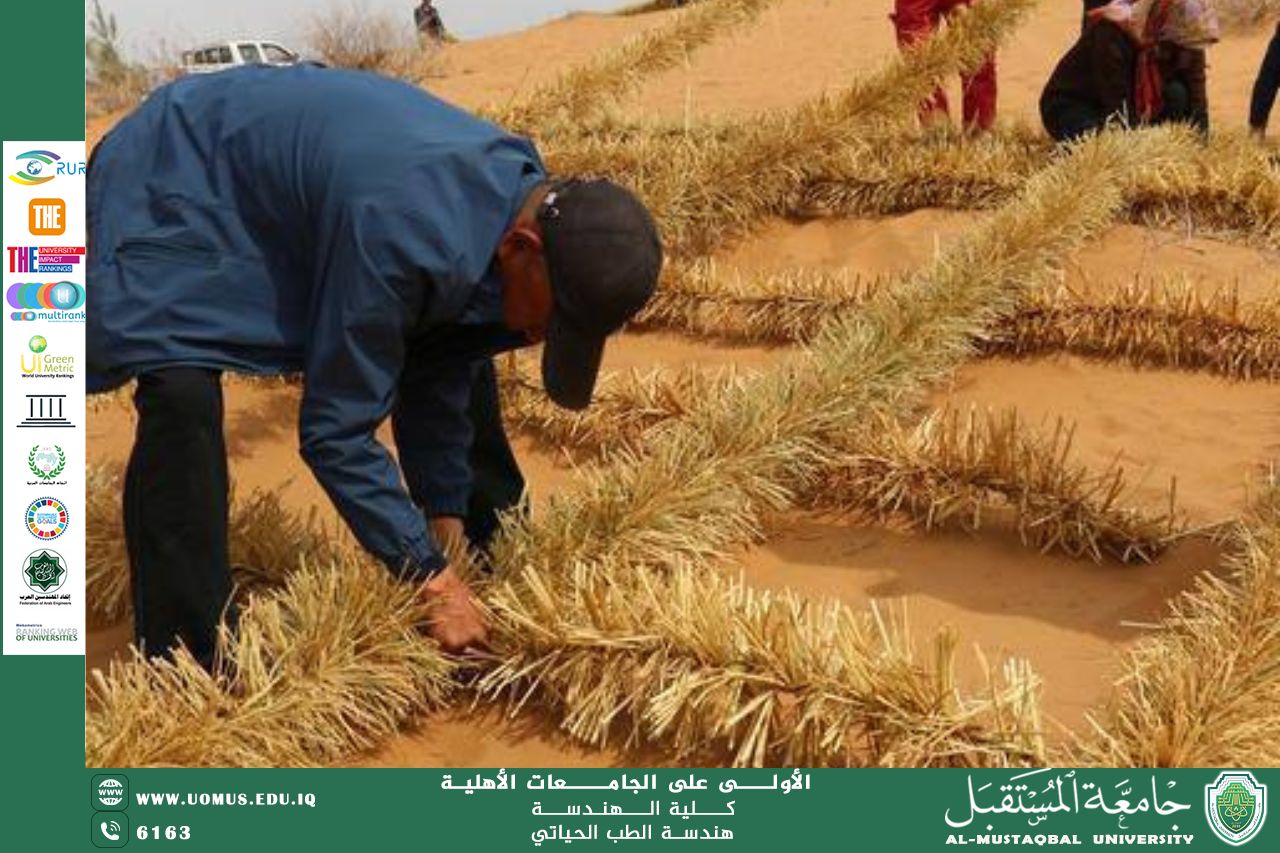
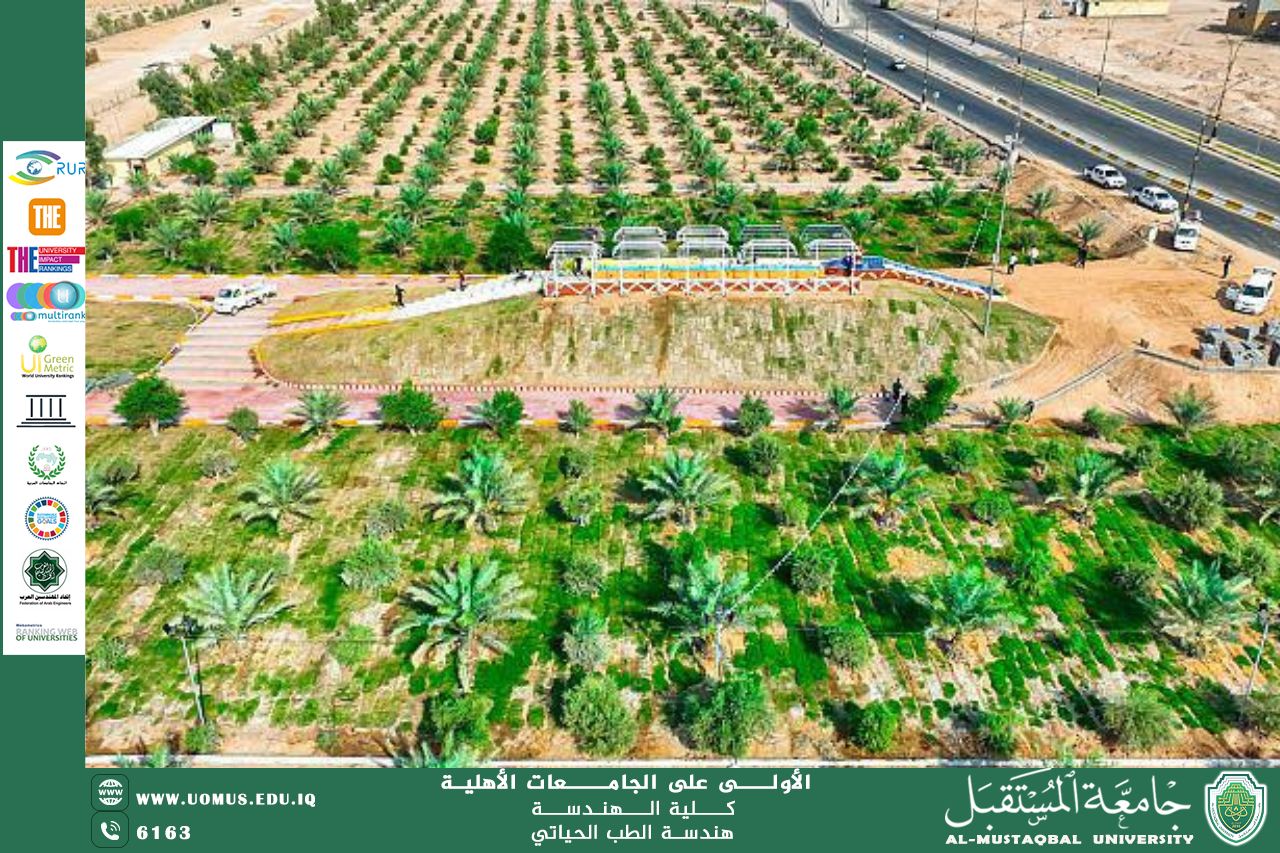
• Creating green belts around cities and agricultural areas to act as windbreaks and stabilize sand dunes.
• Rehabilitating watersheds to increase groundwater reserves and reduce runoff.
C. Technology and Remote Sensing
Using satellite imagery and Geographic Information Systems (GIS) to accurately monitor degradation indicators, enabling decision-makers to proactively intervene in the most vulnerable areas (hotspots).
3. Developmental and Economic Impact
Investing in combating desertification yields returns that extend beyond the environmental aspect, contributing to the achievement of other Sustainable Development Goals:
• Goals 1 and 2 (No Poverty and Hunger): Land restoration increases agricultural productivity and supports the livelihoods of rural communities.
• Goal 13 (Climate Action): Healthy soils act as a powerful carbon sink, contributing to mitigating global warming.
• Goal 6 (Clean Water): Good soils effectively filter and store water.
6. Conclusion and Recommendations
This article concludes that combating desertification and land degradation is not a luxury, but an imperative for the sustainability of life on Earth.
Recommendations:
1. Integrate land degradation neutrality policies into national development plans.
2. Promote scientific research aimed at developing drought- and salinity-resistant plant varieties.
3. Activating the role of local communities and involving them in the management of natural resources to ensure the sustainability of solutions.