An article titled "Biomedical Sensors: Advancing Diagnostic and Monitoring Capabilities" by Lecturer Maher Rahman Abdul-Amir
Biomedical Sensors: Advancing Diagnostic and Monitoring Capabilities.
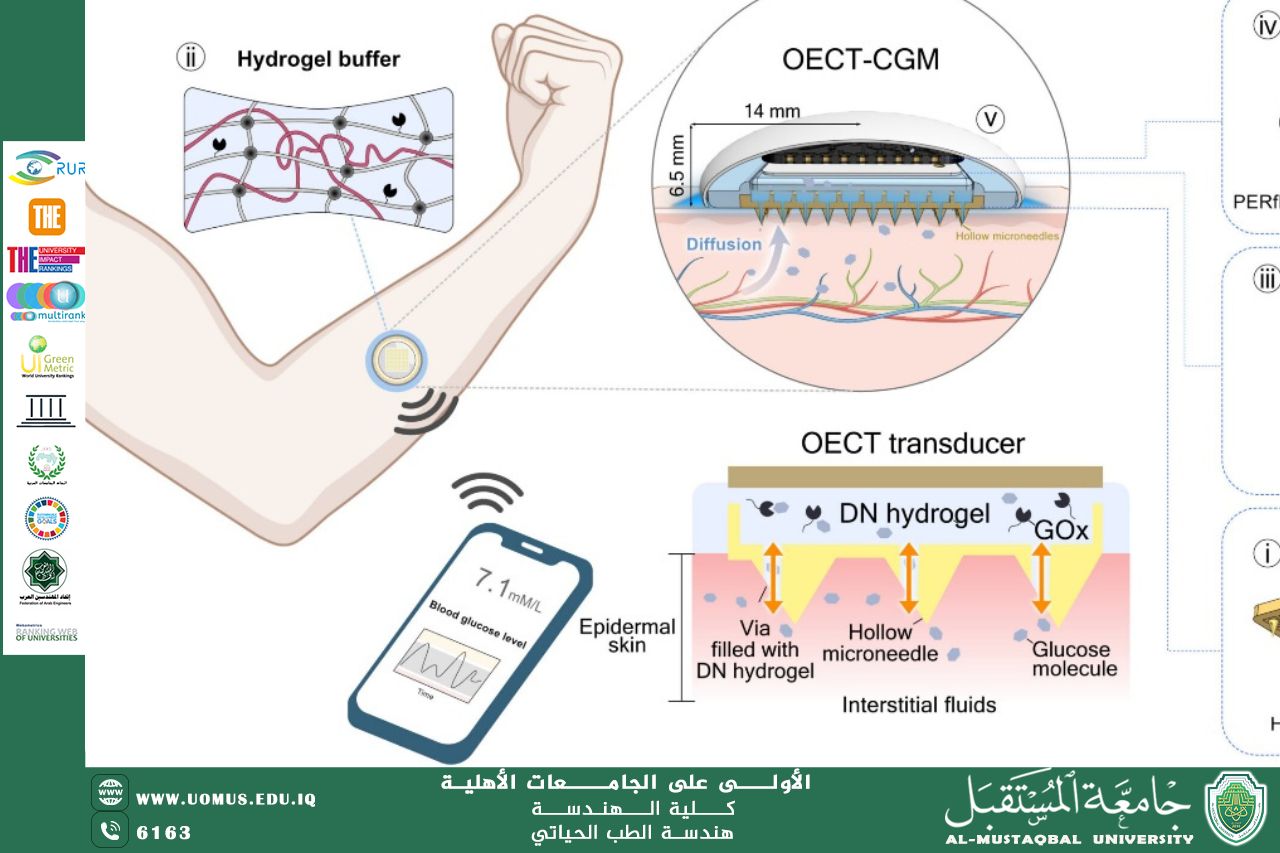
Biomedical sensors play a pivotal role in the fields of diagnostics and patient monitoring. These sensors, which can measure vital signs such as heart rate, body temperature, glucose levels, and blood oxygen saturation, provide invaluable data that can be used for both diagnosis and treatment. For instance, continuous glucose monitors (CGMs) have become essential tools for diabetes management, offering patients real-time data on their glucose levels.
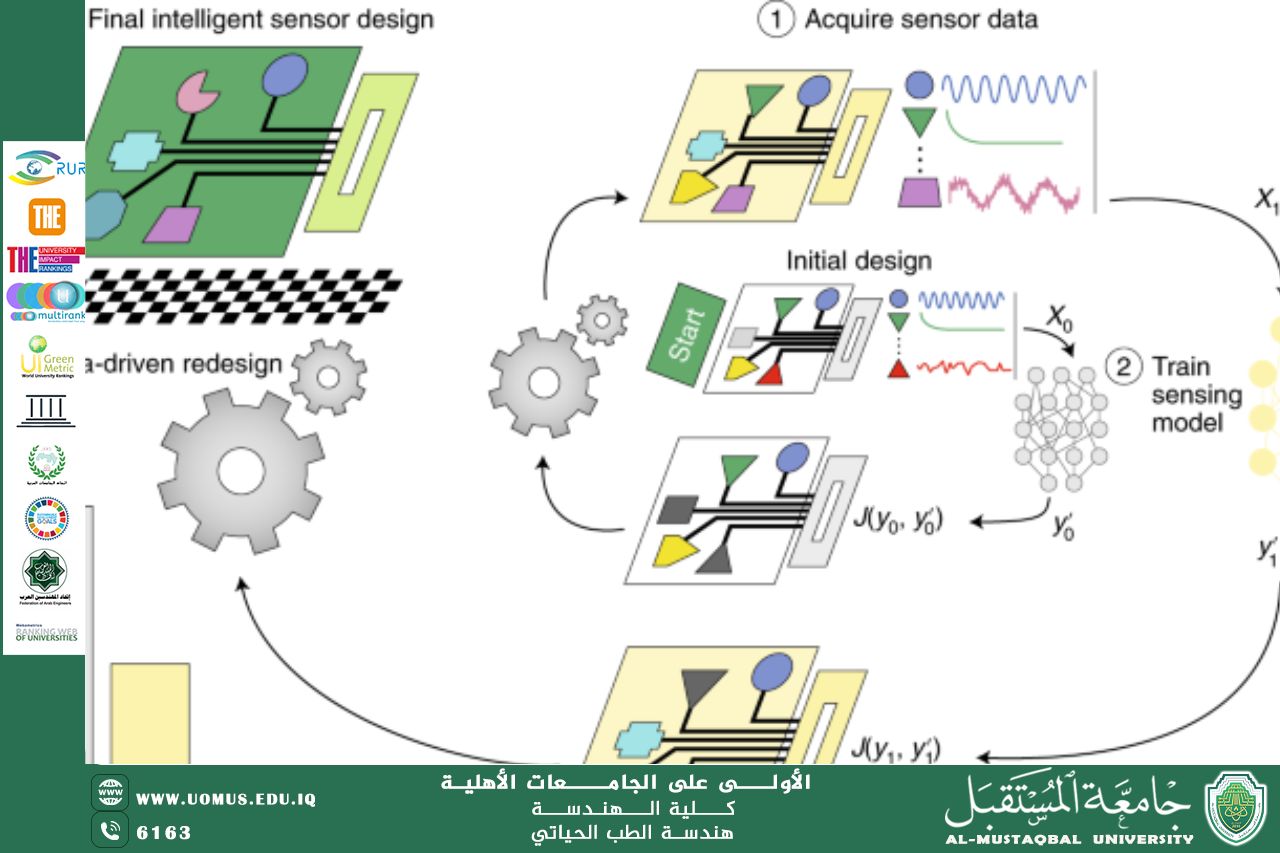
Similarly, wearable ECG monitors enable patients to track their heart health and send data to their healthcare providers. The miniaturization of sensors, combined with advancements in wireless communication, has enabled the integration of these devices into wearable technology, making health monitoring more accessible and convenient. These sensors also play a significant role in early disease detection, identifying potential health issues before they become serious. Moreover, machine learning algorithms are being integrated into biomedical sensors to enhance data analysis, enabling them to detect irregular patterns and alert patients and healthcare providers accordingly.
As sensor technology continues to improve, these devices will become more accurate and reliable, offering new possibilities for personalized healthcare and preventative medicine.