
Scientific Article by Lecturer Haider Mutlaq Musa Title: Pharmaceutical Spectroscopic Analysis
1️⃣ Introduction
Pharmaceutical spectroscopic analysis is one of the most important applications of analytical chemistry in medicine and drug development. This analysis allows identification of drugs, measurement of their concentration, and assessment of their purity in pharmaceutical formulations and biological samples. It ensures safety, efficacy, and regulatory compliance.
2️⃣ Principle of Spectroscopic Analysis
Spectroscopic techniques are based on the interaction of light with molecules. When light passes through a sample or reacts with specific reagents, absorption, emission, or scattering is measured at specific wavelengths. This allows determination of the chemical composition and concentration of drugs.
Examples:
UV–Vis spectroscopy for quantifying drug concentration.
IR spectroscopy for identifying functional groups.
NMR spectroscopy for structural elucidation.
3️⃣ Components of the Analysis
A) Analytical Instruments
UV–Vis Spectrophotometer: for measuring drug molecule concentration.
IR Spectrometer: for identifying functional groups.
NMR Spectrometer: for structural analysis.
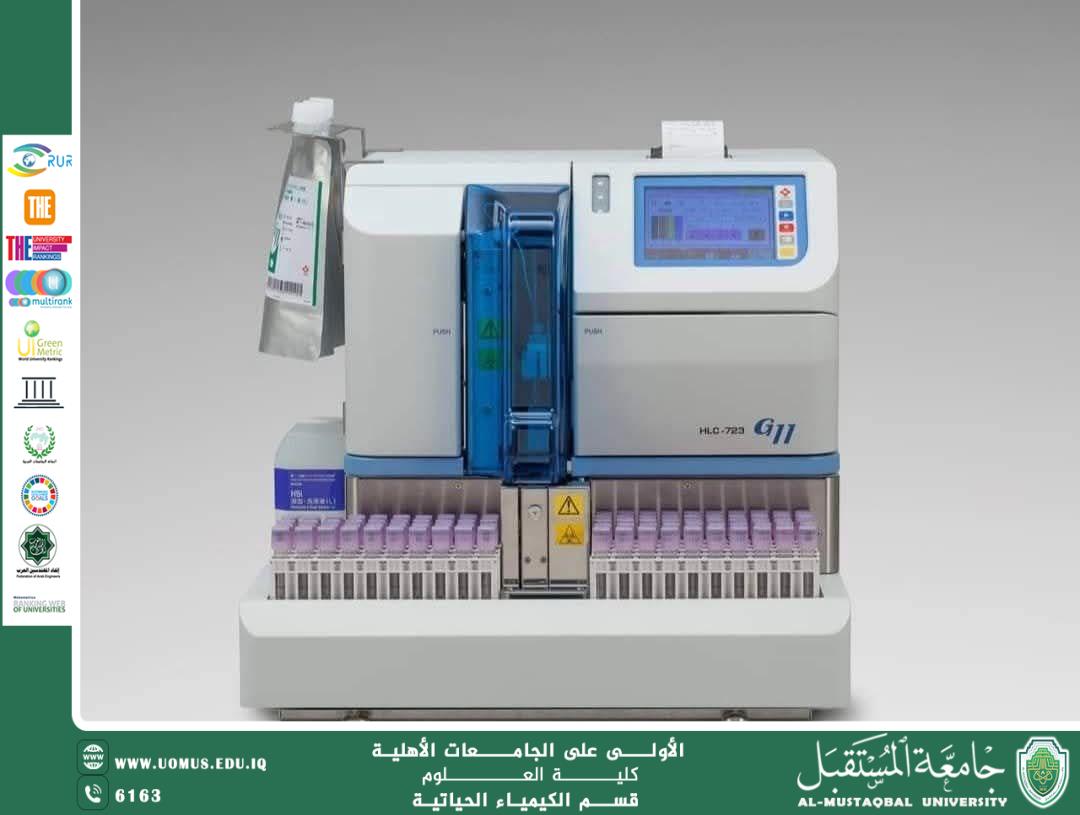
HPLC with UV detection: for separation and quantification of drugs.
B) Samples
Pharmaceutical formulations: tablets, capsules, solutions.
Biological samples: plasma, serum.
C) Reagents
Solvents such as methanol or acetonitrile.
Reference standards of the drug.
Specific reagents for derivatization if needed.
4️⃣ Types of Analysis
1. Qualitative Analysis
Identification of drug molecules and their functional groups.
2. Quantitative Analysis
Measuring drug concentrations in pharmaceutical formulations or biological fluids.3. Purity and Impurity Analysis
Detecting impurities, degradation products, or counterfeit substances.
5️⃣ Practical Examples
Measuring paracetamol concentration in tablets using UV–Vis at 243 nm.
Identifying aspirin functional groups using IR spectroscopy.
Determining the structure of complex molecules using NMR.
6️⃣ Advantages
High sensitivity and specificity.
Rapid and non-destructive analysis.
Ability to obtain both qualitative and quantitative information simultaneously.
7️⃣ Limitations
Requires expensive instruments and trained personnel.
Sample preparation can be time-consuming.
Some techniques cannot detect trace impurities without prior separation.
8️⃣ Conclusion
Spectroscopic analysis is the cornerstone of pharmaceutical quality control and research. Modern techniques such as UV–Vis, IR, NMR, and HPLC enable accurate identification, quantification, and purity assessment of drugs, supporting the production of safe and effective medications.
Al-Mustaqbal University Ranks First Among Iraqi Private Universities