Heart Diseases: Biochemical Mechanisms and Risk Factors Prepared by: Lect. Abbas Hamza Khudhair Department of Biochemistry – College of Science – Al-Mustaqbal University
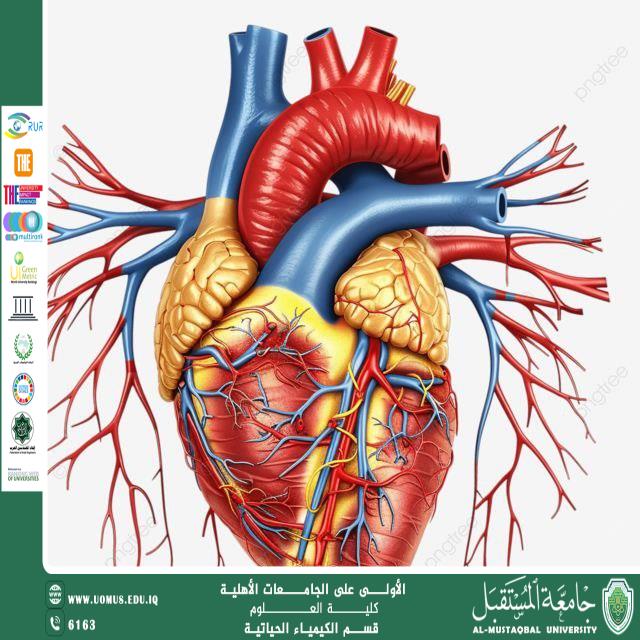
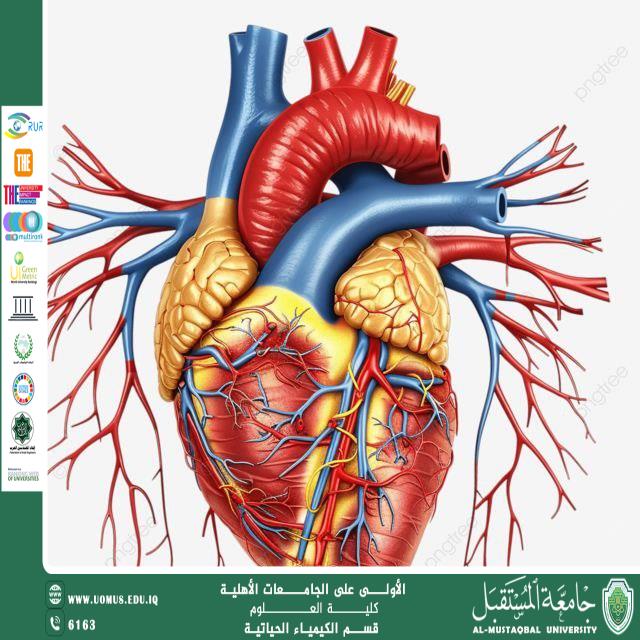
Cardiovascular diseases (CVDs) represent one of the leading causes of morbidity and mortality worldwide. They include a wide group of disorders affecting the heart and blood vessels, such as coronary artery disease, heart failure, arrhythmias, and valvular heart diseases. These conditions impose a major burden on healthcare systems and significantly reduce quality of life.
Common Types of Heart Diseases
1. Coronary Artery Disease (CAD)
This disease results from narrowing or blockage of the coronary arteries due to atherosclerosis (fatty plaque accumulation), leading to reduced oxygen supply to the heart muscle and possibly causing angina or myocardial infarction.
2. Heart Failure
A condition in which the heart is unable to pump sufficient blood to meet the body’s metabolic needs.
3. Cardiac Arrhythmias
Abnormalities in heart rhythm, which may be too fast, too slow, or irregular.
4. Valvular Heart Diseases
Occur when one or more heart valves do not function properly, affecting blood flow within the heart.
Biochemical and Pathophysiological Mechanisms
Several biochemical processes play a key role in the development of heart diseases, including:
Oxidative stress and accumulation of reactive oxygen species
Chronic inflammation within the vascular wall
Disturbed lipid metabolism, particularly elevated LDL and reduced HDL
Endothelial dysfunction
Enhanced blood coagulation and thrombosis
These mechanisms contribute to atherosclerosis and progressive damage to cardiac tissue.
Major Risk Factors
The most important risk factors include:
Hypertension
Diabetes mellitus
Hyperlipidemia
Smoking
Obesity and physical inactivity
Aging and genetic predisposition
Diagnosis and Cardiac Biomarkers
Diagnosis of heart diseases depends on:
Electrocardiography (ECG)
Echocardiography
Stress testing
Coronary angiography
Important cardiac biomarkers include:
Troponin
CK-MB
BNP (B-type natriuretic peptide)
Prevention and Management
Prevention and treatment strategies include:
Adopting a healthy diet low in saturated fat and salt
Regular physical activity
Smoking cessation
Good control of blood pressure, blood glucose, and lipid levels
Pharmacological therapy such as:
Statins
Antiplatelet and anticoagulant drugs
Antihypertensive medications
Conclusion
Heart diseases remain a major global health challenge. Understanding their biochemical and pathophysiological basis is essential for early prevention, accurate diagnosis, and effective treatment. A healthy lifestyle combined with regular medical follow-up plays a crucial role in reducing the burden of cardiovascular diseases and improving patient outcomes.