A Scientific Article by Instructor Dr. Karrar Majeed Obeid Titled: Discovery of the Elements in the Periodic Table: The Journey of Science from Ancient Times to the Nuclear Age
Scientific Article on the Discovery of Elements in the Periodic Table
The discovery of chemical elements represents one of the greatest scientific achievements in human history, as understanding the nature and composition of matter formed the foundation of chemistry, physics, and material sciences. From ancient times, humans used naturally occurring elements such as gold, copper, silver, and sulfur without knowing their atomic nature or scientific classification. As scientific thinking developed through the Middle Ages and the Renaissance, serious efforts began to identify and classify these substances based on experimental evidence.
In the eighteenth century, chemistry underwent a major transformation through the work of Antoine Lavoisier, who established the modern definition of an element as a substance that cannot be decomposed into simpler substances by chemical means and published one of the first systematic lists of known elements. During the early nineteenth century, the number of discovered elements increased significantly due to the development of analytical techniques such as electrolysis and spectroscopy, which enabled scientists to isolate and identify new elements including sodium, potassium, calcium, and magnesium.
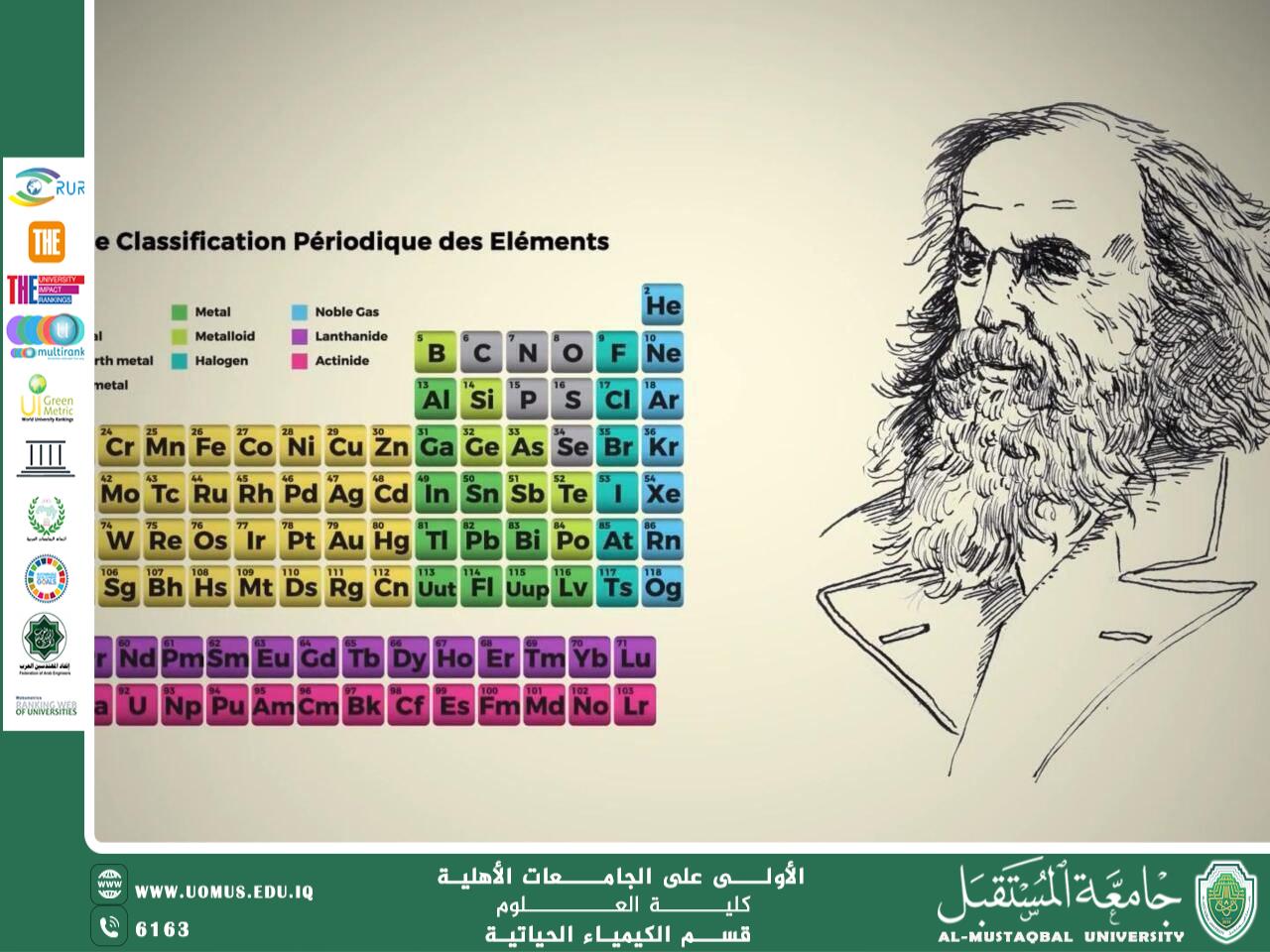
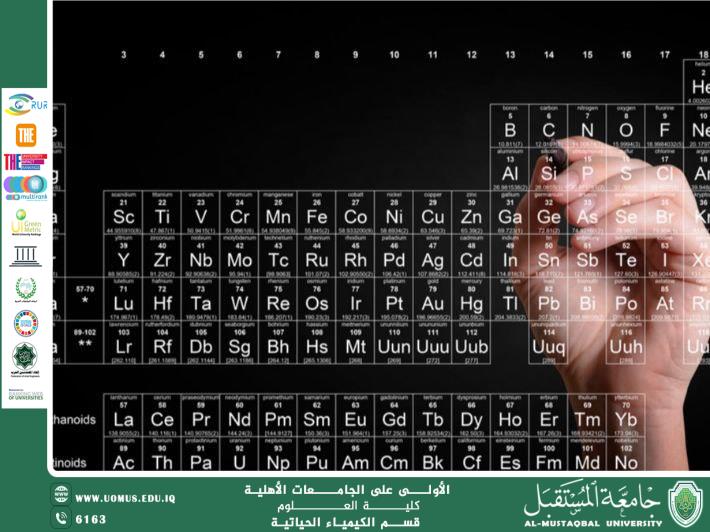
As more elements were discovered, the need for a systematic method of organization became essential, leading to the development of the periodic table. In 1869, Dmitri Mendeleev arranged the known elements according to their atomic masses and chemical properties and revealed periodic patterns among them. One of his greatest achievements was predicting the existence and properties of elements that had not yet been discovered, such as gallium and germanium, predictions that were later confirmed experimentally.
The twentieth century marked a new era in element discovery with the advancement of nuclear physics. Scientists discovered radioactive elements such as radium and polonium and later produced artificial elements that do not exist naturally, including neptunium and plutonium, inside nuclear reactors and particle accelerators. This led to the expansion of the periodic table to include superheavy elements, pushing the boundaries of our understanding of atomic structure and stability.
The discovery of elements has not merely expanded the periodic table but has also deepened scientific understanding of atomic structure, chemical bonding, and the behavior of matter. This knowledge has been fundamental to the development of modern medicine, advanced materials, energy technologies, and environmental applications. Therefore, the ongoing exploration of chemical elements continues to play a crucial role in scientific progress and technological innovation